
California’s Vehicle Emissions Rules Resist Federal Deregulation Efforts
California’s emissions rules remain a crucial policy, resisting federal rollbacks and influencing nationwide standards.
California’s emissions rules remain a crucial policy, resisting federal rollbacks and influencing nationwide standards.

A federal court ruled the Energy Department overstepped by keeping a Michigan coal plant open past retirement.

The Paris Agreement united 200 countries in 2015 to limit global warming to 1.5C, but fossil fuel use threatens this goal.
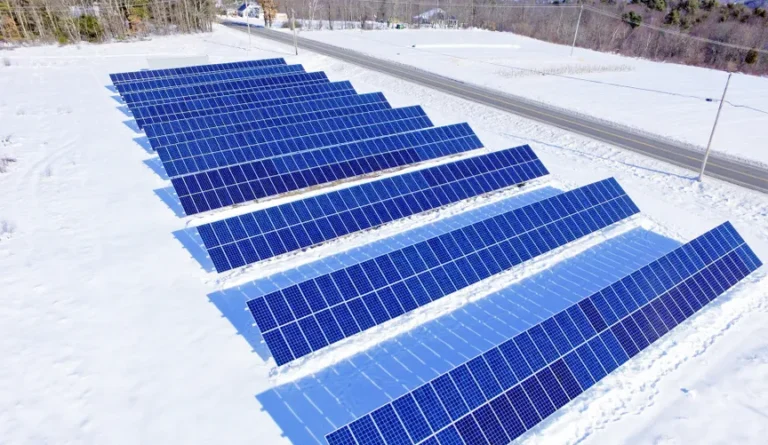
Maine Dept. of Energy Resources proposes a new regulatory framework to boost large-scale renewable projects statewide.
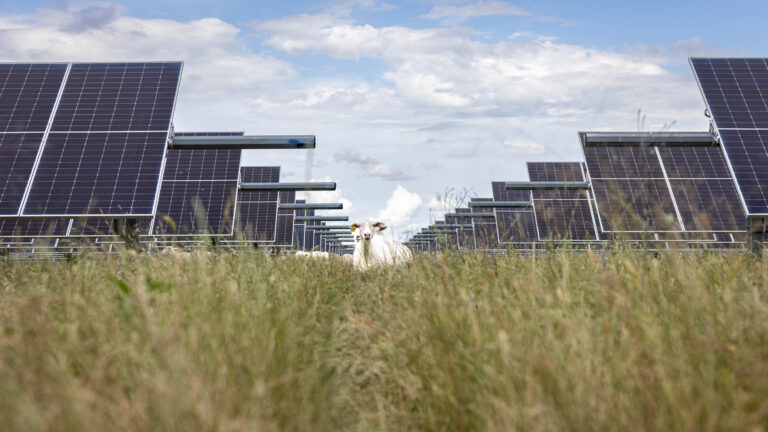
U.S. power plants upped output by 2.1% due to rising demand, with Texas leading in renewable energy growth, notably solar.

Ford Motor Co. appoints Dave Carroll as president of Ford Energy, aiming to boost its stationary energy storage.
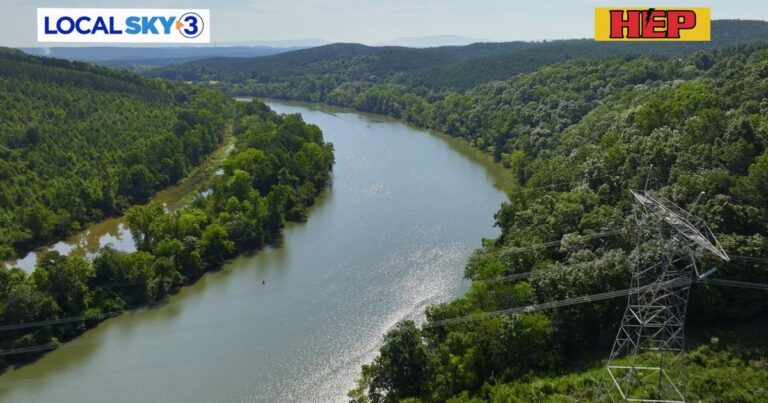
Project River, a proposed $11.3B industrial campus in Bradley County, aims to generate 1,500 MW of self-sustaining power.
Some Bradley County residents oppose $11.3B Project River, citing concerns about transparency, environment, and noise.

California’s energy system faces risks from new, unproven companies. Experts stress competence over ambition.

U.S. Senate Majority Leader Thune sees permitting reform as a rare bipartisan chance in Congress amid energy project challenges.

LG Energy Solution opened its $2.6B battery plant in Lansing, shifting focus from GM to clients like Toyota and Tesla.

Lucia Marquez discusses the need for community solar and clean energy initiatives to replace fossil fuel reliance.