U.S. power plants increased output by 2.1% in the first half of the year compared to the same period last year, spurred by growing demand from data centers and other large users. This analysis examines state-specific changes and power sources, using data from the U.S. Energy Information Administration.
Texas, Washington, Tennessee, Ohio, and New Mexico saw the largest increases in utility-scale electricity generation. Texas experienced a significant surge in solar power, while Washington utilized hydropower, Tennessee increased nuclear generation, Ohio expanded natural gas, and New Mexico combined coal and solar.
Conversely, California’s utility-scale generation declined. The state leveraged battery storage to capture solar power, reducing its reliance on natural gas.
Nationally, natural gas power plants led electricity generation, comprising 38.4% of the total, followed by renewables at 28.5%, nuclear at 17.1%, and coal at 14.4%. The shares of gas and nuclear remained steady, while renewables increased by 2.2 percentage points, offsetting a similar decline in coal.
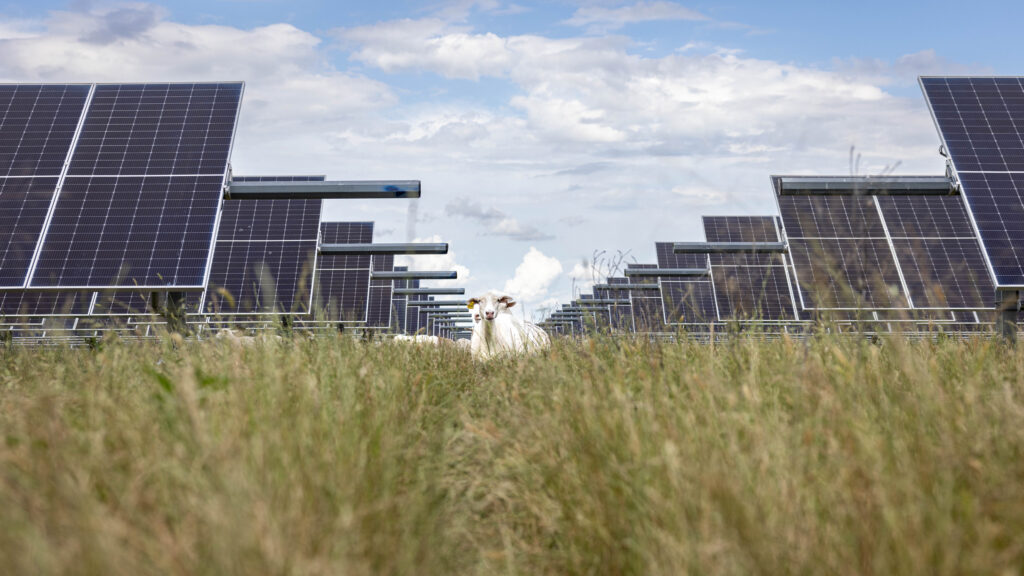
Texas emerged as a leader in renewable energy growth. The state’s power plants generated 293,151 gigawatt-hours, with solar power surpassing coal in the first half of the year. Utility-scale solar in Texas generated 35,992 gigawatt-hours, marking a 35% increase. This growth in solar energy helped meet the electricity needs of approximately 870,000 households.
Washington’s hydropower generation increased due to favorable snowpack levels and heavy rainfall, leading to 45,143 gigawatt-hours in the first half of the year, primarily from hydropower.
Tennessee boosted its nuclear power generation by optimizing output from its existing Sequoyah and Watts Bar plants, both operated by the Tennessee Valley Authority.
Ohio’s electricity generation grew primarily due to natural gas, with the new Trumbull Energy Center contributing significantly. While solar power also grew by over 30%, it remains a smaller source compared to gas.
New Mexico’s electricity increase was driven by coal and solar power, with higher coal output from the Four Corners plant and new solar installations, including the massive SunZia wind farm.
California reduced its electricity generation by minimizing gas-fired power usage. The state relied on solar power, battery storage, and power imports to meet demand.
Utility-scale electricity generation trends varied across states, with many embracing renewable energy sources. For more detailed information on renewable energy developments, explore energy consumption statistics.
In global news, China has surpassed coal with solar as its leading source of generating capacity, as reported by Bloomberg. Meanwhile, New Jersey and potentially California are advancing laws to support plug-in solar panels, according to Solar Power World and Canary Media.
For additional insights into clean energy transitions, visit Inside Clean Energy for comprehensive coverage.
Original Story at insideclimatenews.org