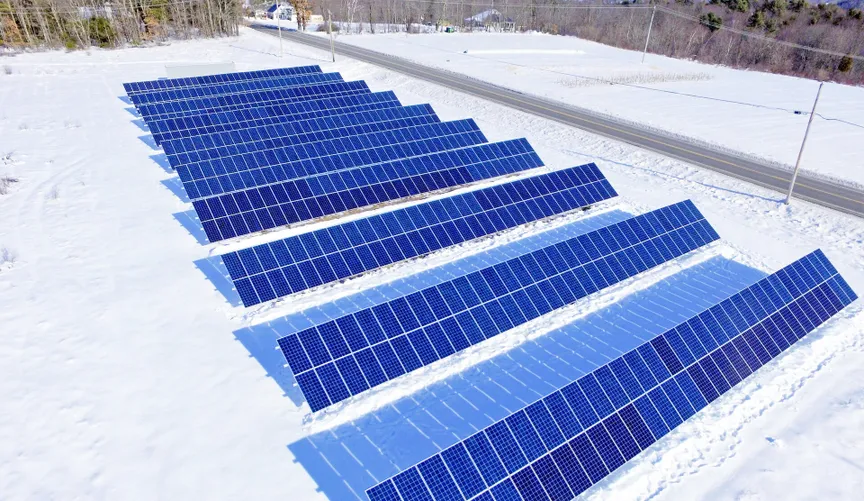
In an effort to enhance the integration and expansion of renewable energy, the Maine Department of Energy Resources has introduced a draft proposal aimed at establishing a new regulatory framework for large-scale renewable projects. This initiative comes as a response to previous exclusions from the state’s clean energy credit program.
The proposed framework seeks to streamline the inclusion of renewable energy into ratepayers’ standard offer, encouraging direct collaboration between projects and utilities to address power generation needs in high-demand areas. This draft was developed in partnership with DNV and Current Energy Group, and was published at the end of August with an initial feedback session held through a webinar.
Christina Thayer, a consultant with Current Energy Group, explained that the proposal is aligned with goals of “affordability, reliability, and clean energy,” highlighting its capacity to meet both current and future grid demands. This proposal is part of the state’s ongoing efforts to enhance renewable energy adoption and reform the net energy billing system, which previously offered credits to customers to offset their energy bills.
Off-site renewable projects will contribute more to infrastructure costs under latest reform
Last year, legislative changes removed eligibility for net energy billing for projects generating energy off-site, such as community solar installations. Consequently, the department was tasked with developing a successor program to continue supporting renewable energy initiatives while benefiting ratepayers.
Dan Cross-Call, director of regulatory and policy innovation at Current Energy Group, emphasized the importance of renewable projects being “built cost-effectively and in a modular, scalable fashion” to meet the anticipated load growth in Maine.
The New Framework
Rather than replicating the net energy billing credit system, the proposal aims to establish a regulatory framework fostering innovative business models for renewable projects. One component allows projects to sell energy to standard offer providers, ensuring a steady energy supply and protecting Maine’s energy needs from market fluctuations.
The second component addresses the deployment of renewable projects in regions with stressed electrical distribution systems, aiming to bolster local infrastructure by relieving pressure at peak times. For instance, in areas where transformers are overloaded due to new developments, renewable projects could provide necessary energy support, delaying the need for costly upgrades.
Thayer noted that these projects could “provide sophisticated real-time grid support in response to system conditions,” urging utilities to consider renewables as a cost-effective alternative during evaluations.
While the proposal does not immediately affect utility bills, its long-term goal is to facilitate the purchase of renewable energy by providers, potentially reducing energy costs for standard offer customers and increasing the share of renewable sources in their energy mix.
Public comments on the proposal are welcomed until September 11, with a focus on price setting, cost allocation, and recovery considerations. The department aims to finalize the proposal by September 30, after which the Maine Public Utilities Commission will review it for potential implementation.
Original Story at mainemorningstar.com