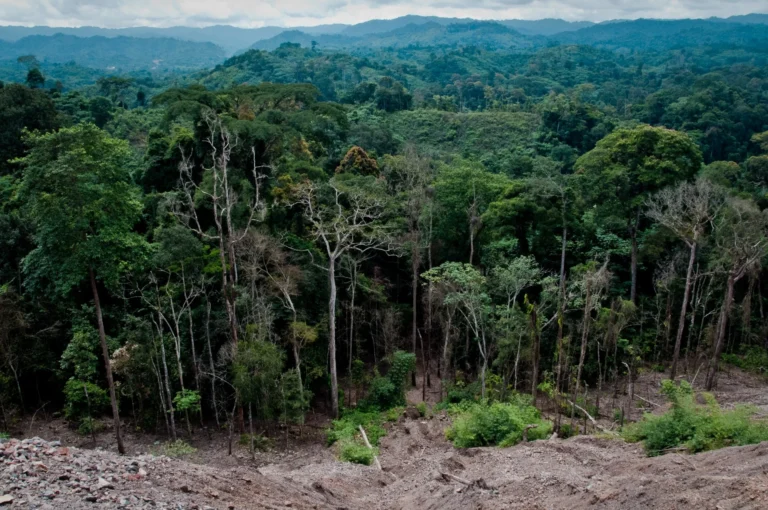
Enhancing Climate Policy: Prioritizing Natural Carbon Sinks Protection
Forests and oceans absorb 40% of CO2 emissions, but deforestation, wildfires, and warming threaten their capacity.
Forests and oceans absorb 40% of CO2 emissions, but deforestation, wildfires, and warming threaten their capacity.

COP31 highlighted global divisions on climate change, with no major actionable items. Experts share insights on future diplomacy.

Skiing brings joy and a closer look at climate change. As winters shift, we adapt, savoring each fleeting moment.

Funding the climate frontlines: Minimal new funds, access issues persist. Vulnerable nations face finance shortfalls.
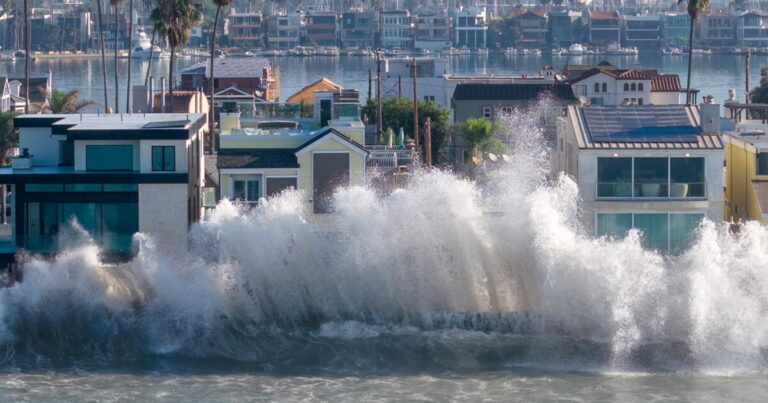
In early weeks of a record El Niño, tidal flooding and wave-damaged boardwalks expose the high cost of resisting the sea.
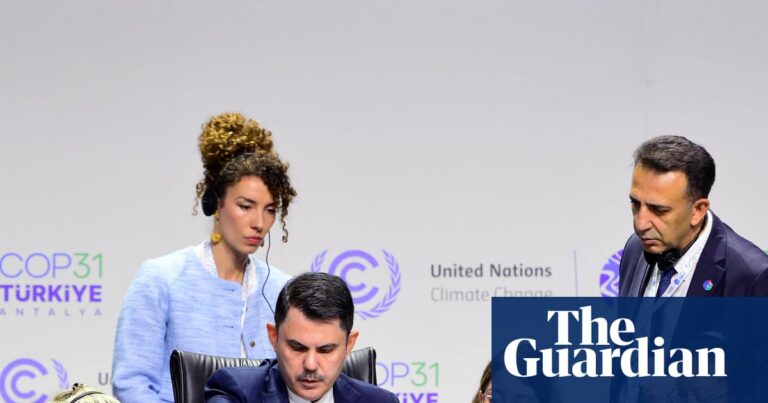
The EU, UK, and developing nations rejected the Cop31 deal, citing its failure to mention fossil fuels, stirring discontent.

U.N. climate talks in Turkey hit overtime as delegates remain deadlocked on key issues of money and fossil fuels.
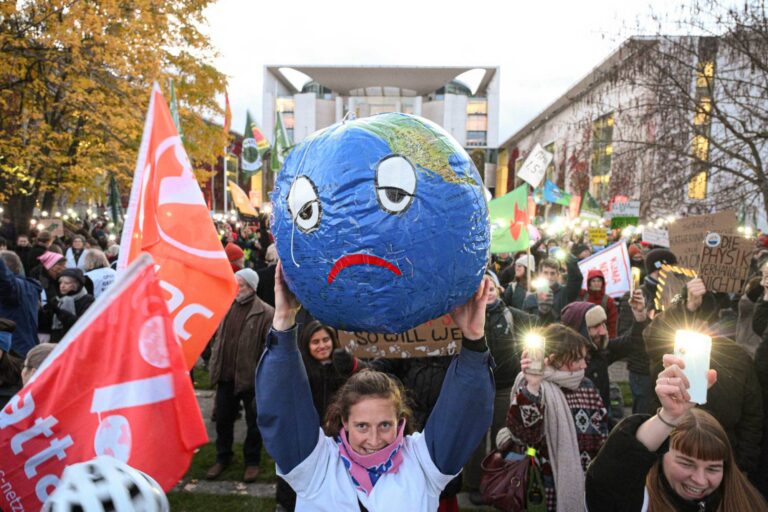
“Carbon capture and storage (CCS) is widely promoted for climate solutions, but evidence shows it underperforms.”
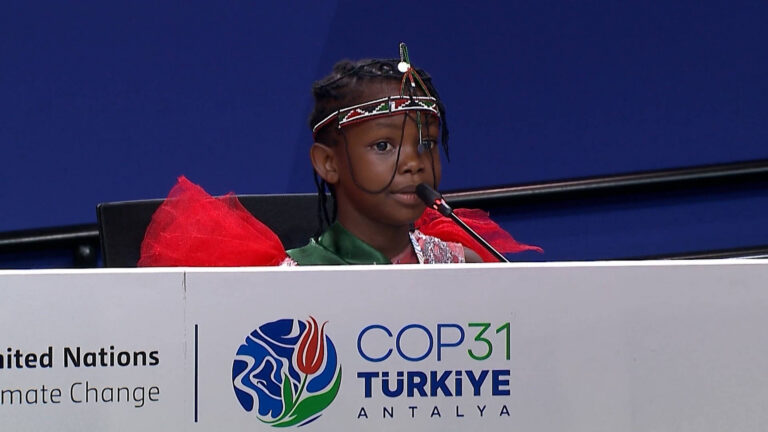
Marren Akeyo, 8-year-old Kenyan activist and Little Miss Environment Kenya 2026, spoke at COP31, urging action.
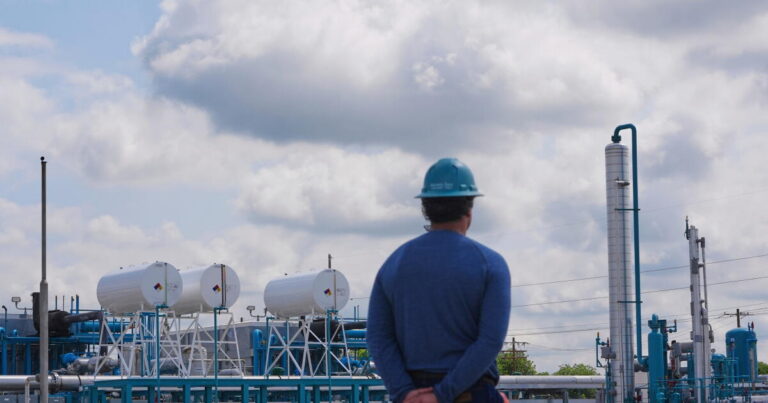
For the first time, UN climate talks may conclude that extracting heat-trapping gases from the air is essential, alongside cutting carbon pollution, due to failing to avert warming dangers.
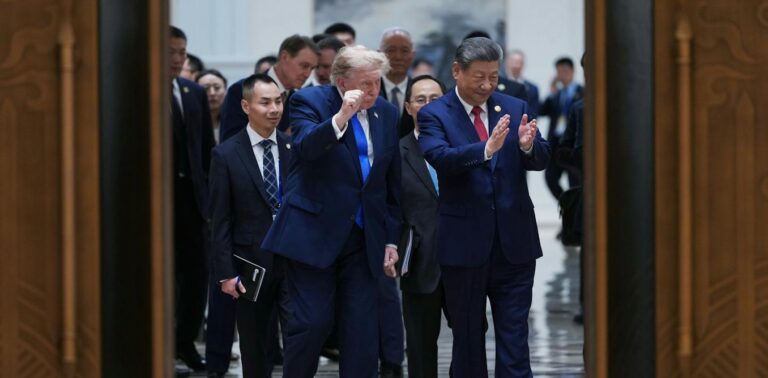
For attendees in Antalya, COP31 is vital for climate action, but global tensions and political issues overshadow progress.
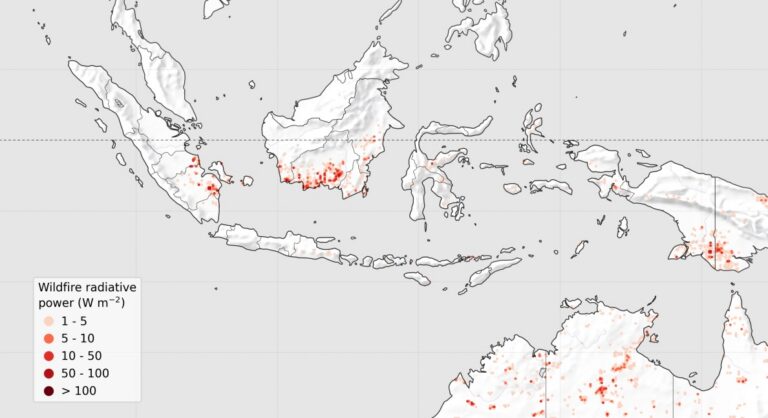
Fires fueled by climate change and El Niño have devastated Indonesia and Papua New Guinea, causing health crises.