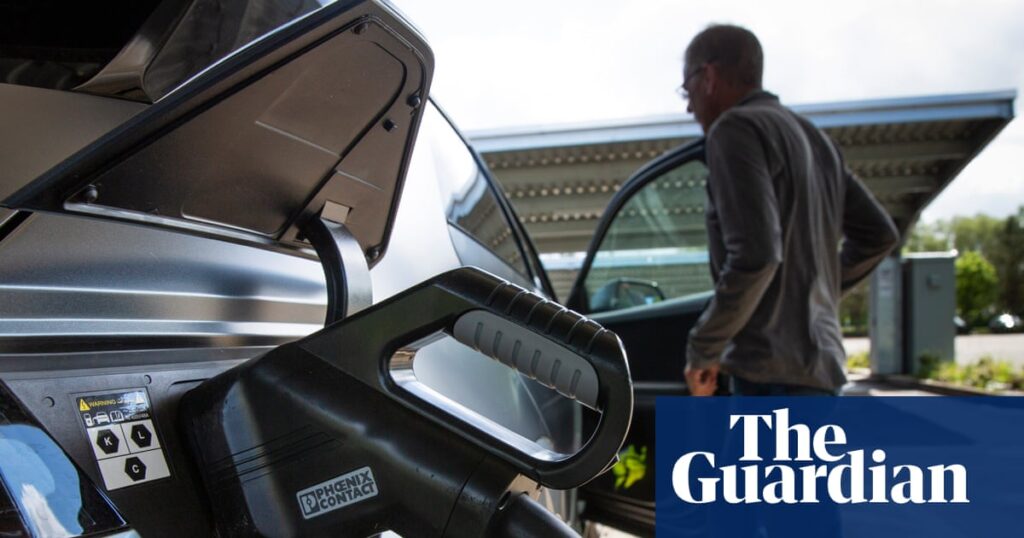
Potential Pay-Per-Mile Tax for EV Drivers Sparks Debate
The transition to electric vehicles (EVs) in the UK could soon come with a new cost. Rachel Reeves is contemplating introducing a pay-per-mile tax for EVs, potentially adding an average annual charge of £250 for drivers.
Under these proposed plans, EV owners might face a 3p per mile fee in addition to existing road taxes. This move aims to compensate for reduced revenues from petrol and diesel vehicles as more drivers shift towards eco-friendly options.
A government spokesperson explained, “Fuel duty covers petrol and diesel, but there’s no equivalent for electric vehicles. We want a fairer system for all drivers.”
The Chancellor is likely to argue that this levy creates parity, especially since petrol and diesel car drivers currently contribute about £600 annually in fuel duty. EV owners began paying road tax in April this year.
Forecasts suggest that by the time the scheme is proposed to start in 2028, nearly 4 million people will be driving electric vehicles, according to the Society of Motor Manufacturers and Traders (SMMT).
The SMMT has voiced opposition to the pay-per-mile concept, stating, “We recognize the need for a new approach to motoring taxes but at such a pivotal moment in the UK’s EV transition, this would be entirely the wrong measure at the wrong time.” It advocates for a comprehensive rethink in collaboration with the industry.
Similarly, Jon Lawes from Novuna Vehicle Solutions highlighted that while fair taxation is crucial, the cost of EVs and charging infrastructure remain significant hurdles. He urged the government to accelerate public charger deployment, extend grants to more models, and incentivize used electric cars and vans.
The Campaign for Better Transport has previously recommended a pay-per-mile system to address the diminishing revenue from traditional vehicles. Meanwhile, the Tony Blair Institute suggested a simpler road pricing model ranging from 1p to 4p per mile depending on vehicle type.
Despite these discussions, analysis from the Energy and Climate Intelligence Unit indicates that even with a 3p-per-mile tax, EVs would still save owners approximately £1,000 annually compared to petrol cars.
Colin Walker from the unit remarked, “But this announcement comes shortly after the government gave in to industry lobbying by weakening its EV sales targets.” This adjustment might lead to an increase in hybrid vehicles, which are more costly to operate than EVs.
To support the EV transition, the government has invested £4 billion, including grants reducing upfront vehicle costs by up to £3,750. “Just as it is right to seek a tax system that fairly funds roads, infrastructure and public services, we will look at further support measures to make owning electric vehicles more convenient and more affordable,” stated the government spokesperson.
Original Story at www.theguardian.com