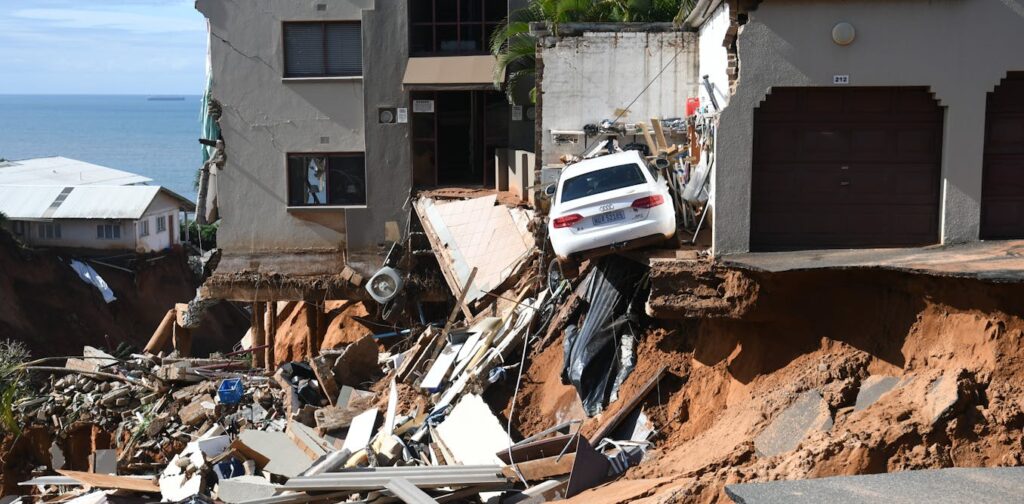
South Africa is facing a daunting challenge in adapting to climate change, necessitating an investment of R250 billion (US$15.64 billion) over the next decade. This investment aims to elevate the country to a basic level of climate resilience. The African Climate and Development Initiative and the Energy Systems Research Group at the University of Cape Town have conducted research to identify key priorities for safeguarding water supplies, protecting settlements from floods and heat, maintaining infrastructure, aiding farmers, and preserving both lives and the economy. Anna Taylor, a climate adaptation researcher, was among the contributors to this study and provides insights.
Key Climate Risks in South Africa
Research has pinpointed several pressing climate risks that South Africa faces through 2050:
-
Water scarcity
-
Health threats
-
Food insecurity
Read more:
Here are three ways that cities can adapt to changing climates
These risks are exacerbated by global warming and the heightened frequency of extreme weather events, including heatwaves, droughts, heavy rains, coastal storm surges, strong winds, and wildfires. The entire nation is vulnerable, with provinces like KwaZulu-Natal, North West, Limpopo, and Eastern Cape identified as particularly susceptible and in need of prioritized support. Despite the current level of 1.3°C global warming above pre-industrial levels, there is no comprehensive record of climate impacts and related losses, a gap that must be addressed to justify adaptation expenditures.
Steps for South Africa’s Climate Adaptation
The research outlines seven strategic goals for adapting to significant climate threats:
-
Enhancing water and sanitation systems to withstand droughts and floods, supporting health, employment, and the economy.
-
Improving healthcare and sanitation in informal settlements to protect vulnerable communities from floods and extreme heat, alongside revamping disaster responses and climate information services.
-
Supporting farmers and fishers in adapting to unpredictable weather patterns to ensure food availability.
-
Conserving nature and biodiversity.
-
Fortifying roads, railways, and ports to endure severe weather conditions.
Read more:
African countries shouldn’t have to borrow money to fix climate damage they never caused – economist
-
Adapting urban areas, which are economic and service hubs, to withstand climate changes.
-
Enabling the Climate Change Act, which mandates all government levels to implement the National Adaptation Strategy and Plan, focusing on climate risk management.
Actions Required to Achieve Climate Goals
Within these goals, 36 critical actions have been identified as necessary to safeguard valuable assets, human welfare, and economic activities. These measures could potentially save 158,000 lives over the next decade. Immediate and cost-effective actions include replacing over 50,000 rented portable toilets in informal settlements with 1,000 sanitation blocks, which also offer health benefits near food vendors.
Read more:
Global climate finance leaves out cities: fixing it is critical to battling climate change
Enhancing the Southern African Development Community’s regional drought monitoring system and improving early warning systems for communities can further save lives. Ensuring a 98% reliable water supply will require at least 50 updated municipal water and safety plans and 200 water monitoring dashboards, offering public insights into water usage and quality.
Read more:
African cities aren’t doing enough to adapt to climate change: lessons from Durban and Harare
Installation of one million waterless sanitation systems in schools and community facilities is recommended. Water conservation efforts include clearing 1,000km² of water catchment areas of invasive species and expanding water reclamation.
To safeguard communities, constructing 100 climate-resilient emergency shelters is crucial. Training 2,000 additional social workers and equipping 700 clinics to manage water- and vector-borne diseases is also necessary.
Read more:
New report reveals how climate change is spreading infectious diseases to new regions
Urgent maintenance is needed for 7,000km of rivers, roads, and culverts. Coastal protection measures include restoring 50km of dunes and constructing 500km of flood defences. Farmers require support for drought-resistant crops and climate insurance expansion. Informal markets should adopt solar-powered refrigeration, and a 40% subsidy for drip irrigation is advised.
Read more:
Climate finance for Africa: the key challenges and what needs to be done about them
Community leader training on climate information interpretation is needed, alongside developing a national climate impact inventory with trained responders. Ecosystem adaptation requires training 2,000 agricultural extension officers, and strengthening biodiversity protection. Governmental capacity must be enhanced through sector adaptation plans, with a funding allocation of R10 million (US$600,000) annually for ten years.
Funding the Climate Goals
The total projected cost amounts to R25 billion (US$1.5 billion) annually over the next decade. A significant portion will be allocated to adapting water and sanitation systems to cope with droughts and floods. Development finance, donor funds, and increased private sector investment are essential to support the adaptation efforts in the face of escalating climate disasters. Establishing climate financing platforms that blend public and private investments is also critical to fostering a climate-resilient future.
This study was commissioned by the South African government to aid in developing the country’s second Nationally Determined Contribution under the Paris Agreement.
Original Story at theconversation.com