Exploring the Evolving Arctic: A New Race for Dominance and Trade
As global power dynamics constantly shift, one area has emerged as a focal point for geopolitical maneuvering: the Arctic. Kieran Mulvaney’s Arctic Passages: Ice, Exploration, and the Battle for Power at the Top of the World delves into this evolving landscape, where melting ice is opening new shipping routes, potentially altering global trade and power structures.
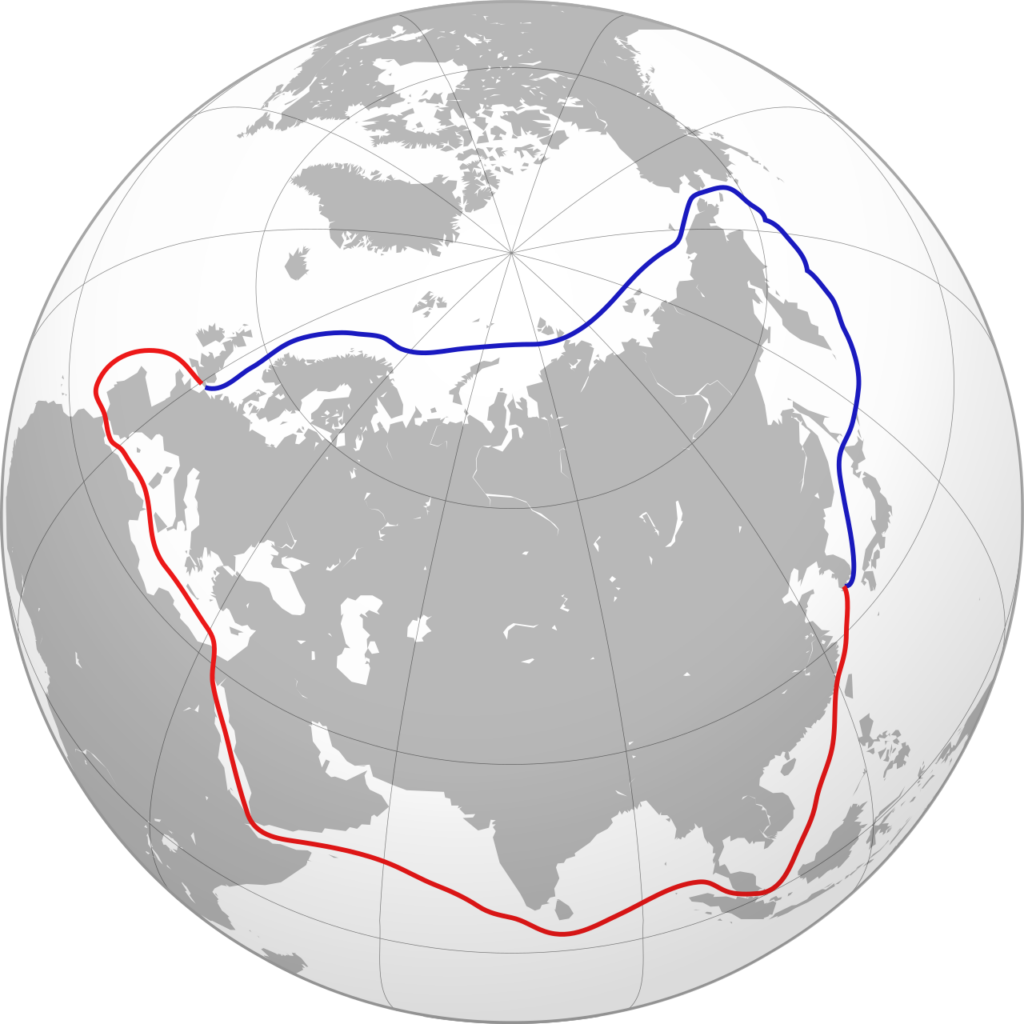
The book reveals how the melting Arctic ice is turning previously inaccessible passages into viable trade corridors. These routes offer not only shorter paths for commerce but also alternatives to critical geopolitical chokepoints like the Suez and Panama canals. Although the Strait of Hormuz is distinct in its role in global trade, recent conflicts in the Middle East underscore the vulnerability of such strategic passageways.
Initially intending to write a historical account of the early expeditions to discover the Northwest and Northeast passages, Mulvaney expanded his focus to include modern developments. He describes this work as a “hybrid” narrative, blending historical endeavors with the present-day implications of an increasingly accessible Arctic. The book examines how the retreating ice is creating new opportunities, contrasted with past expeditions that failed against the formidable sea ice.
Mulvaney’s prose, structured geographically into the Northeast, Northwest, and North (transpolar) sections, offers a comprehensive view of the historical and current challenges faced in these regions. Each section delves into the histories, challenges, and stakeholders involved, illustrating the Arctic’s complex geopolitical landscape.
In his exploration of the Northwest, for instance, Mulvaney discusses the region’s geography, climate, and biodiversity, alongside the Indigenous populations’ connections to the land. He traces the history of early attempts to navigate these icy waters, drawing parallels to today’s potential strategic advantages offered by new routes.
Mulvaney, with extensive experience from his years with Greenpeace and time spent living in an Alaskan cabin, brings a unique perspective to the book. His firsthand accounts and deep journalistic insight enrich the narrative, making the complex issues and stories of the Arctic both vivid and accessible.
This multidisciplinary work provides valuable insights into the intersection of climate change, global trade, and national interests. It is particularly relevant for civil engineers and others interested in understanding the broader implications of these emerging Arctic trade routes on global transportation and security dynamics.
Original Story at www.asce.org