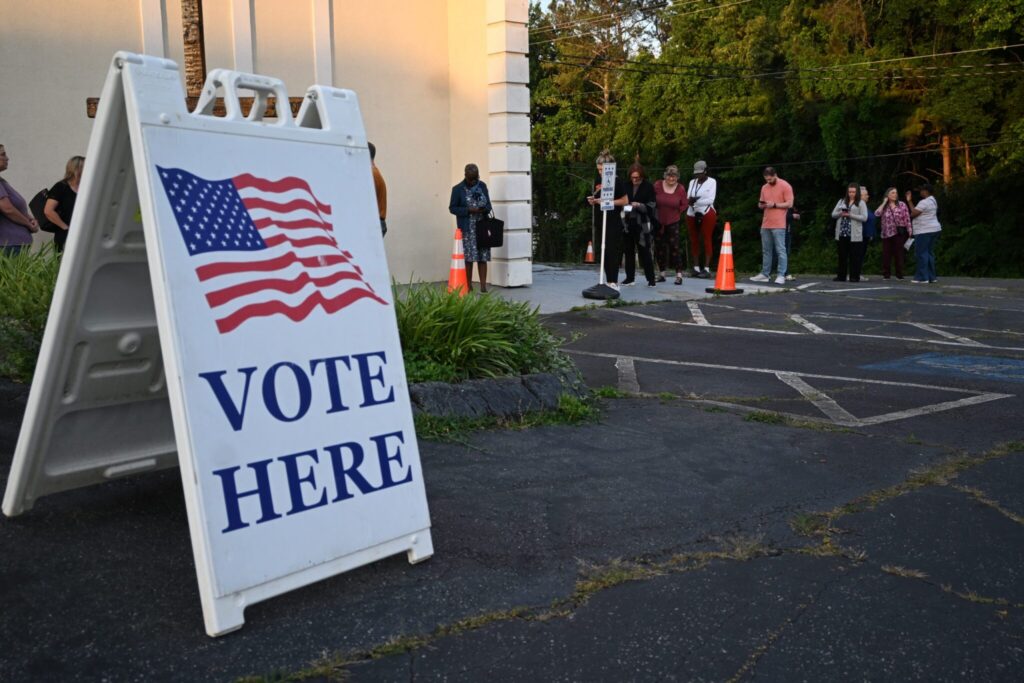
A federal judge has stepped in to limit the reach of Homeland Security, blocking the agency from conducting election-related enforcement sweeps across nine states — a decision that raises significant questions about the boundaries of federal power during elections and what it means for voters heading to the polls. For millions of Americans who simply want their vote to count, understanding what federal agencies can and cannot do near elections is essential to maintaining trust in the democratic process.
The ruling, reported by Daily Montanan and written by reporter Jonathan Shorman, who covers democracy and voting rights for States Newsroom, represents a significant moment in the ongoing tension between federal enforcement authority and the protection of voters’ rights during an election cycle.
What Happened — and Why It Matters
Federal judges have broad authority to issue blocks — often called injunctions — when they believe a government action may overstep legal boundaries or cause harm before a case can be fully argued. In this instance, a judge determined that Homeland Security’s planned election-related enforcement sweeps in nine states warranted being paused while legal questions are sorted out.
Election-related federal sweeps near or during voting periods have long been a point of concern among election administrators and voting rights advocates. Critics argue that visible federal enforcement activity around elections — even when framed as security measures — can have a chilling effect on voter participation, particularly in communities with immigrant populations or those already wary of government presence.
Election security and voter access are not opposing ideas — they work together. When voters feel intimidated or uncertain about their safety at polling locations or in the lead-up to an election, participation drops. And when participation drops, the democratic process suffers.
The Broader Context: Federal Power and Election Administration
The question of how much authority federal agencies like the Department of Homeland Security have over activities tied to elections is not a new one, but it has grown more urgent in recent election cycles. States, not the federal government, are primarily responsible for administering elections under the U.S. Constitution — and many state election officials have pushed back against federal actions they see as overreaching or disruptive to the voting process.
Concerns about disinformation, false claims, and potential intimidation around elections have been well-documented heading into recent election cycles. Worries about disinformation, false claims, and even violence near election time have grown, as reported by Jennifer Shutt, reflecting the increasingly charged environment in which voters are trying to exercise their fundamental rights.
Meanwhile, both major parties have kept a close eye on the electoral landscape. Reporting by Shauneen Miranda noted that campaigns on both sides displayed confidence as Election Day approached, underscoring just how much is at stake in the current political climate.
Research has also shown that political rhetoric mixing anger, fear, and personal attacks has intensified in recent cycles, as reported by Ashley Murray — a trend that adds emotional weight to an already complicated election environment.
What This Means for Voters
For everyday Americans, the most important takeaway from this ruling is that the courts are actively engaged in reviewing whether federal agencies are staying within their legal lanes when it comes to elections. That is how the system of checks and balances is supposed to work — and in this case, it appears to be functioning as intended.
Eligible voters in all nine states affected by this ruling should know that this court order is specifically designed to protect the integrity of the election process while legal arguments are heard. It does not change voter eligibility requirements, alter polling place locations, or affect how ballots are cast and counted.
If you are not yet registered to vote, you can register to vote and make sure your voice is heard. Staying informed also means knowing who represents you — you can contact your state lawmakers to ask questions about election administration in your area. For those who want to track how elected officials are voting on legislation that affects elections and democracy, both U.S. Senate roll-call votes and U.S. House roll-call votes are publicly available.
Election administration decisions — made in courtrooms, statehouses, and federal agencies — have direct consequences for whether eligible Americans can freely and confidently cast their ballots. Rulings like this one are a reminder that the legal architecture protecting that right is always being tested, and that an informed electorate is the best defense democracy has.
For full coverage and ongoing reporting on democracy and voting rights, visit the Daily Montanan, and review their republishing guidelines if you wish to share their reporting.