The Transformation of 82nd Avenue: A New Era of Energy and Community Revitalization
In the heart of Northeast Portland, a formerly neglected piece of land on 82nd Avenue is undergoing a remarkable transformation. Once a vacant landfill, this site is being reshaped into a vibrant nature sanctuary with an added benefit: community solar energy.
Adjacent to McDaniel High School and a lively pickleball court, construction crews are clearing the area to develop a space that will serve both wildlife and local residents. This initiative is part of a broader effort to turn 82nd Avenue into a climate-resilient and safer corridor for the community.
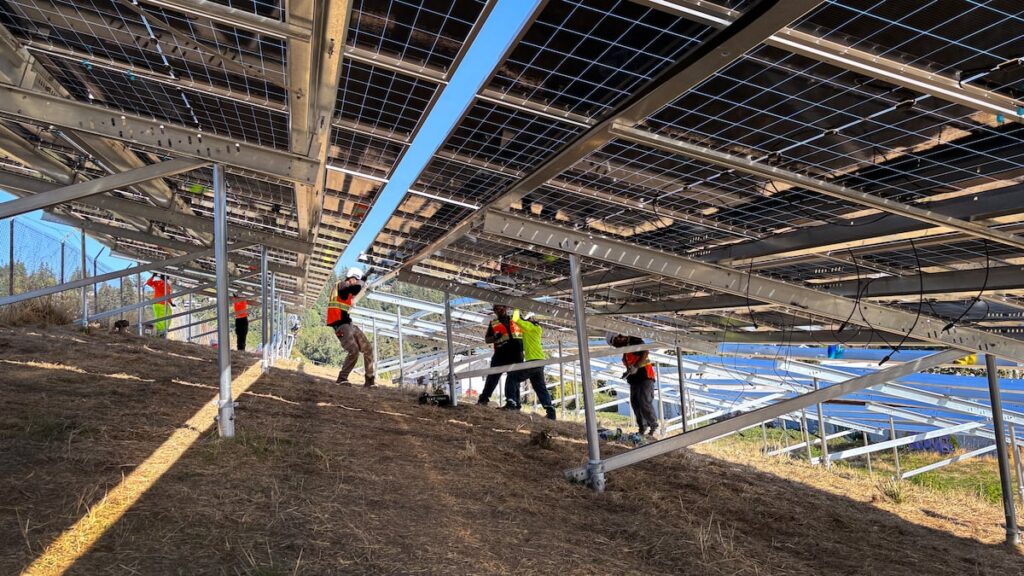
Community solar projects offer individuals, particularly renters who can’t install solar panels on their rooftops, a chance to enjoy reduced electricity bills. The 82nd Avenue Community Solar project, featuring seven arrays of solar panels, is set to provide energy savings to approximately 140 low-income households in East Portland, serviced by Pacific Power or Portland General Electric.
Amidst setbacks like federal funding reductions and government shutdowns affecting energy bill aid, this project utilizes funds from Portland’s climate action initiative to maintain the momentum for renewable energy investments.
The initiative also creates job opportunities in the renewable energy sector, extending the benefits of solar energy to Portland’s low-income residents.
The Bird Alliance of Oregon, which acquired the 12-acre parcel two years ago, is spearheading this effort. Conservation Director Micah Meskel stated, “We purchased this site on Northeast 82nd, this 12-acre parcel, with the intent of building our new wildlife hospital in this space and transforming what was once a landfill into a community asset.”
Revitalizing a Historic Corridor
Once a busy thoroughfare, 82nd Avenue had become less traveled after the construction of Interstate 205. However, since the Portland Bureau of Transportation took over the corridor in 2022, there has been a surge of $80 million in funding aimed at enhancing the area.
New bike lanes, pedestrian crossings, and recently planted trees are part of the changes, aiming to increase safety and mitigate the heat island effect. The comprehensive plan will see continued investments, including improved public transit, over the next decade.
The site, once a rock quarry and landfill, now presents an opportunity to align with Portland’s climate resilience goals. Community development director Duncan Hwang of APANO emphasized the vision for 82nd Avenue to become “the most transit-rich, affordable, and climate-resilient part of town.”
The Portland Clean Energy Fund (PCEF) plays a crucial role, investing over $60 million in the corridor’s revitalization, including support for TriMet’s transit project and affordable housing development.
Empowering Through Solar and Skills
Collaborating nonprofits aim to extend the impact further by offering training in renewable energy careers for formerly incarcerated individuals. Imagine Energy, in partnership with Leaders Become Legends, provides job training in solar installation and electrical skills.
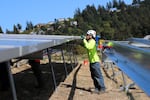
Breto Jackson, co-founder of Leaders Become Legends, highlighted the importance of addressing mental health before workforce training. “Once they get trained, certified, and you see the work behind you, and this is all coming from guys like us who have been there and now giving back to our community by teaching our people on how to thrive,” Jackson said.
The 82nd Avenue solar project is anticipated to save families around $300 annually on their energy bills, amounting to $900,000 in total savings over the project’s 20-year lifespan.
The project, slated for completion by February, marks the seventh community solar site funded by the Portland Clean Energy Fund. Interested Portland residents can apply here to learn more and see if they qualify for participation.
Original Story at www.opb.org