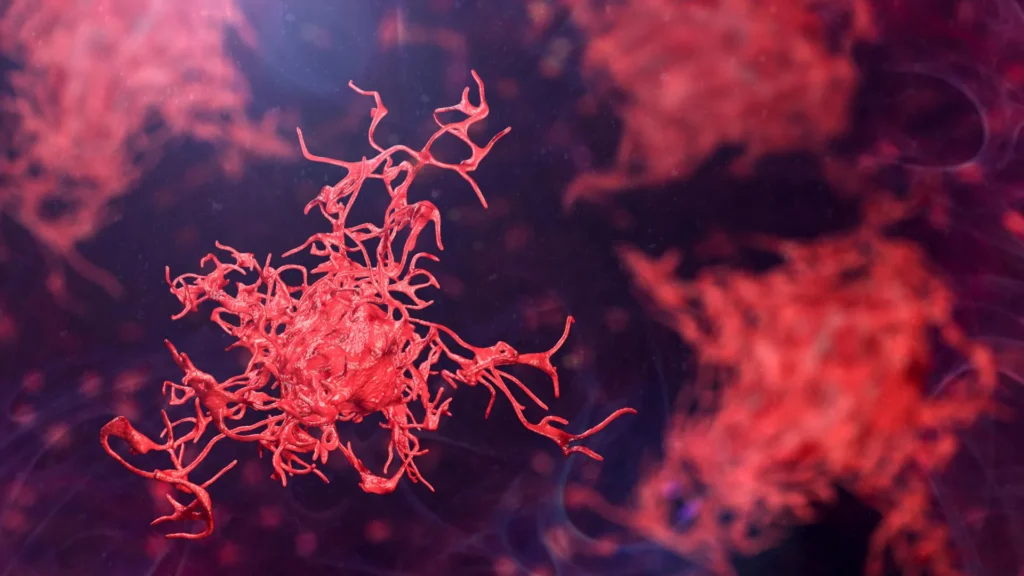
The Emerging Threat of Microscopic Organisms: Free Living Amoebae
A group of scientists specializing in environmental and public health is sounding the alarm about an often-overlooked threat: free living amoebae. These tiny organisms, discussed in a recent perspective article in Biocontaminant, are increasingly seen as a global health risk, fueled by factors such as rising global temperatures, deteriorating water infrastructure, and inadequate detection systems.
Despite their low profile, free living amoebae are attracting significant concern from researchers.
Understanding Free Living Amoebae
Amoebae are unicellular organisms found in soil, freshwater, and some artificial water systems. They are characterized by their unique movement and feeding process, which involves extending parts of their cell body.
While most amoebae are benign and contribute to ecosystem balance, a few species can cause severe human illnesses. Such infections are rare but can be extremely serious when they occur.
The most infamous example is Naegleria fowleri, often referred to as the brain-eating amoeba. This organism can infect humans when contaminated water enters the nose, typically during activities like swimming in warm lakes or using inadequately treated water systems. Once inside the body, it can reach the brain, causing a rapidly progressing and often fatal infection.
The Resilient Nature of Amoebae
One of the most worrying aspects of these amoebae is their remarkable ability to withstand conditions that would typically be lethal to other microorganisms.
“What makes these organisms particularly dangerous is their ability to survive conditions that kill many other microbes,” said corresponding author Longfei Shu of Sun Yat sen University. “They can tolerate high temperatures, strong disinfectants like chlorine, and even live inside water distribution systems that people assume are safe.”
This resilience suggests that conventional water treatment methods might not be sufficient to eradicate them, especially in aging or poorly maintained systems.
Amoebae as Hosts for Other Pathogens
The threat extends beyond the amoebae themselves, as they can act as shelters for other harmful microorganisms, including bacteria and viruses.
There is concern among scientists that this protective environment could foster antibiotic resistance, complicating treatment of infections over time.
The Impact of Climate Change
Global warming is expected to exacerbate the problem. Many amoebae thrive in warm environments, and as temperatures rise, their habitats are likely to expand into new areas where they were previously uncommon.
Recent incidents linked to recreational water use have already raised public awareness in various regions around the world, indicating that the risk is spreading beyond isolated locations.
Advocating for Enhanced Monitoring and Water Safety
To counter this growing threat, researchers advocate for a comprehensive and coordinated response. They suggest adopting a One Health approach, which integrates expertise from human health, environmental science, and water management to address the issue from multiple perspectives.
Key priorities include improving surveillance systems and developing faster, more accurate diagnostic tools. The team also underscores the importance of advancing water treatment technologies to effectively target these resilient organisms before they pose a public risk.
A Multidimensional Challenge
“Amoebae are not just a medical issue or an environmental issue,” Shu said. “They sit at the intersection of both, and addressing them requires integrated solutions that protect public health at its source.”
As research into these microscopic organisms progresses, it becomes increasingly apparent that something invisible to the naked eye could have a substantial impact on global health.
Original Story at www.sciencedaily.com