As the hybrid vehicle market continues to evolve, Nissan is set to introduce a groundbreaking addition. The Rogue Hybrid e-Power, expected to debut in the U.S. by late 2026, promises a unique driving experience that aligns closely with electric vehicles, eliminating the common concern of range anxiety, while maintaining the fuel efficiency typical of hybrids.
Nissan’s return to the U.S. hybrid scene marks a significant shift for the brand, which has seen competitors like the Toyota RAV4 and Honda CR-V dominate the market with substantial sales figures. For Nissan, introducing a hybrid in the U.S. is part of a larger strategy aimed at reversing declining sales in major markets such as China and the U.S.
Although the e-Power system from Nissan has been available in regions like Europe, Japan, and Australia for some time, it is only now making its way to American consumers.
This introduction follows Nissan’s earlier release of a plug-in hybrid version of the Rogue in the U.S., which was essentially a rebadged Mitsubishi Outlander PHEV. However, the forthcoming Rogue e-Power presents a fresh concept.
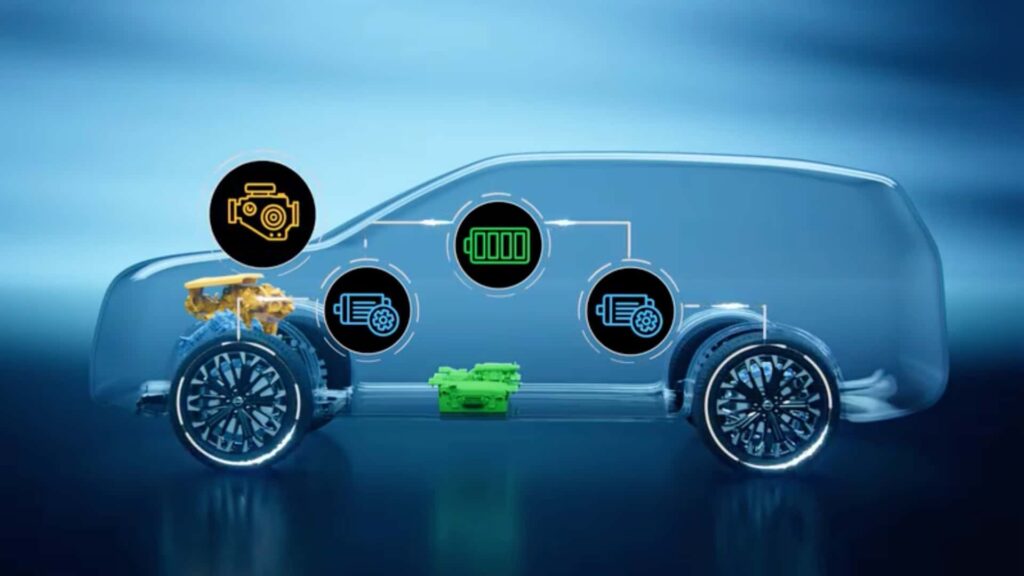
Unlike the parallel or series-parallel hybrid systems used by Toyota, Hyundai, and Honda, which allow both the gas engine and electric motor to drive the wheels, the Rogue Hybrid e-Power employs a pure series hybrid system. In this setup, gasoline powers the vehicle indirectly by generating electricity for the battery, which then supplies energy to the electric motors for driving.
“The biggest reason for pursuing series instead of parallel is we want the powertrain to be primarily electric,” explained Ponz Pandikuthira, Chief Product & Planning Officer at Nissan Americas, during an interview at the New York International Auto Show.
These types of vehicles are also referred to as extended-range electric vehicles (EREVs). However, the Rogue differs from other EREVs, like those from Jeep or Ford, which are designed with larger battery packs for extended electric range and quick charging. Instead, the Rogue will primarily depend on its gasoline engine, with an expected fuel economy exceeding 40 miles per gallon, potentially rivaling the sixth-generation Toyota RAV4 and surpassing the Honda CR-V Hybrid.
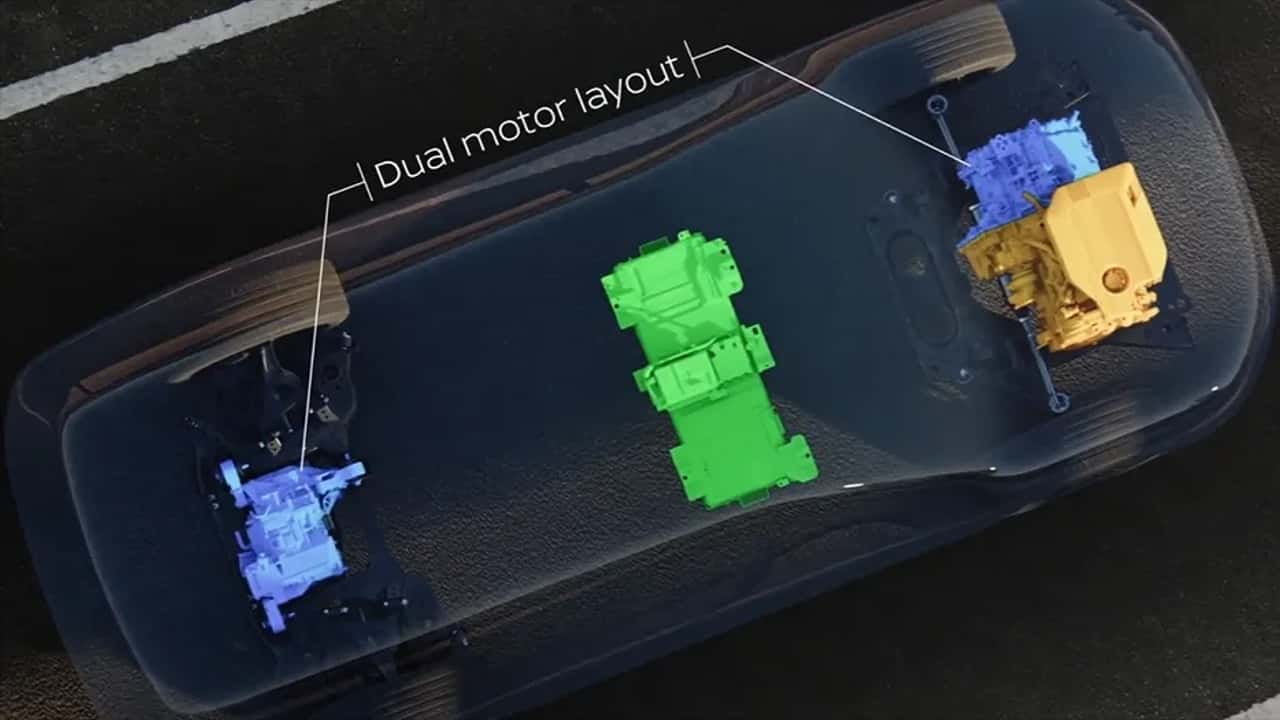
The Rogue’s all-wheel-drive capability is achieved through electric motors on each axle, powered by a 1.5-liter turbocharged engine acting as a generator. This engine charges a 2-kilowatt-hour battery, which then powers the motors. According to InsideEVs’ Interim Editor-in-Chief Mack Hogan, who tested the system in Japan, it offers a smoother ride than most hybrids, though not as seamless as a pure electric vehicle.
In situations where the battery depletes, the engine can bypass the battery to directly power the motors, ensuring continuous operation. This setup, using a simplified version of the MR15 engine, achieves impressive thermal efficiency at 42%, meaning a substantial portion of the fuel’s energy is used to propel the vehicle.
“The driving dynamics, the packaging, the acceleration, it’s all electric,” stated Pandikuthira. “The internal combustion engine never drives the wheels.” This approach reduces both the cost and complexity associated with traditional transmissions, although it may challenge the vehicle’s efficiency at high speeds without the aid of a transmission.
Nissan’s updated algorithm ensures the battery maintains a buffer, crucial for maintaining performance on faster-paced American highways. How the Rogue Hybrid e-Power performs under these conditions will be revealed upon its release. At a time when gas prices are rising and hybrid demand remains high, Nissan is hopeful that this innovative model will help reinvigorate its sales figures.
The Rogue, despite a sales decline of 11% last year, remains Nissan’s top-selling model in North America, with around 217,000 units sold. Introducing a hybrid variant could be key to boosting its popularity further in the competitive SUV market.
Original Story at insideevs.com