
Latest News in ESG
- Federal Court Unblocks Wind Energy Projects: A U.S. judge has vacated the order that halted wind project approvals, paving the way for renewed clean energy initiatives.
- EU Commits to 90% Emissions Reduction by 2040: The European Union has set an ambitious climate target, aiming for significant emissions cuts across its industrial sectors.
- OECD Highlights AI Adoption Challenges for SMEs: A recent report points to slow AI adoption among small and medium-sized enterprises and cautions about widening productivity gaps.
- Approval for Poland’s Nuclear Plant from EU: The European Commission endorses a revised aid plan, facilitating Poland’s first major nuclear energy project.
U.S. Court Lifts Blockade on Wind Energy Projects
“As New Yorkers face rising energy costs, we need more energy sources, not fewer.” This statement from New York Attorney General Letitia James highlights the importance of a federal court’s decision to overturn President Trump’s restriction on new wind energy projects. Judge Patti Saris ruled that the directive lacked a rational explanation for reversing years of federal wind energy support and noted the government’s oversight in not acknowledging the policy shift.
The lawsuit, initiated by a group of 18 state Attorneys General, argued that the freeze jeopardized access to affordable electricity and hindered pollution reduction efforts. The court’s decision has now reopened opportunities for wind energy development across the nation.
***
Further reading: U.S. Court Strikes Down “Unlawful” Trump Ban on Wind Energy Projects
EU’s Ambitious Climate Plan: 90% Emissions Cut by 2040
The European Union (EU) has reached a consensus on a landmark goal to slash greenhouse gas emissions by 90% compared to 1990 levels by the year 2040. This ambitious target requires European industries to reduce emissions by 85%, with the remainder addressed through carbon credit purchases from developing nations. Although this target is among the most ambitious globally, it falls short of recommendations from EU scientific advisors and the initial proposal from Brussels.
Diverging opinions among member states surfaced during the negotiations, with some expressing concerns about the economic strain deeper cuts would impose on industries already facing high energy costs and global competition. Others pushed for bolder measures in response to escalating extreme weather events and the urgent need for green technology advancements. The agreement awaits final approval from both the EU Parliament and member states.
***
Further reading: EU strikes deal on climate target to cut emissions by 90% by 2040
Klimado – Navigating climate complexity just got easier. Klimado offers a user-friendly platform for tracking local and global environmental shifts, making it an essential tool for climate-aware individuals and organizations.
AI Adoption Gap Among SMEs Poses Economic Risks

A report from the Organisation for Economic Co-operation and Development (OECD) cautions that the sluggish uptake of artificial intelligence (AI) among small and medium-sized enterprises (SMEs) could exacerbate productivity and competitiveness disparities within advanced economies. Although AI usage is on the rise, many smaller firms still rely on basic tools, which could impact national supply chains and economic resilience.
The report outlines four critical conditions for AI to deliver widespread benefits: reliable connectivity, access to quality data and computational resources, a skilled workforce, and stable financing. Without advancements in these areas, AI’s benefits may remain concentrated among larger firms. The OECD urges governments to enhance support so that digital transformation can promote inclusiveness and boost productivity across entire economies.
***
Further reading: AI adoption by small and medium-sized enterprises
EU Backs Poland’s Nuclear Energy Initiative
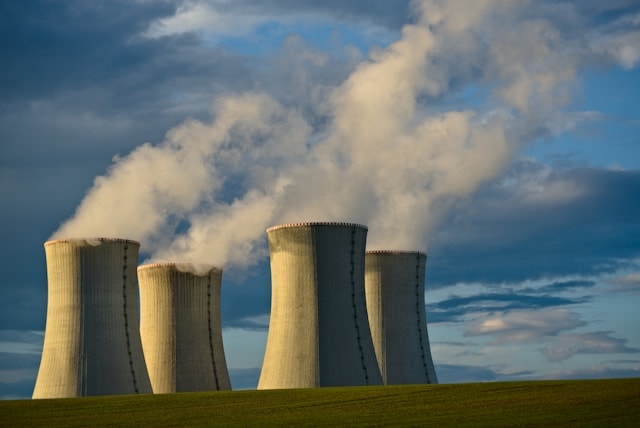
Poland’s journey towards its first nuclear power facility has received a significant boost as the European Commission approves public support for the project. Expected to generate up to 3,750 megawatts of electricity, the plant is anticipated to be operational by the latter half of the next decade. The approval follows a detailed examination of whether the aid aligns with EU market regulations and is proportionate.
Throughout the investigation, Poland made key adjustments, such as reducing the support period and incorporating a two-way contract-for-difference to incentivize plant readiness. These measures help mitigate market imbalances and ensure renewable energy space. Additionally, controls were introduced to curb excessive profits and mandate open market electricity trading. These modifications allowed the Commission to confirm the plan’s compliance with EU State aid rules.
***
Further reading: Commission approves State aid for the construction and operation of Poland’s first nuclear power plant
Editor’s Note:The opinions expressed here by the authors are their own, not those of impakter.com — Cover Photo Credit: Gage Skidmore
Original Story at impakter.com