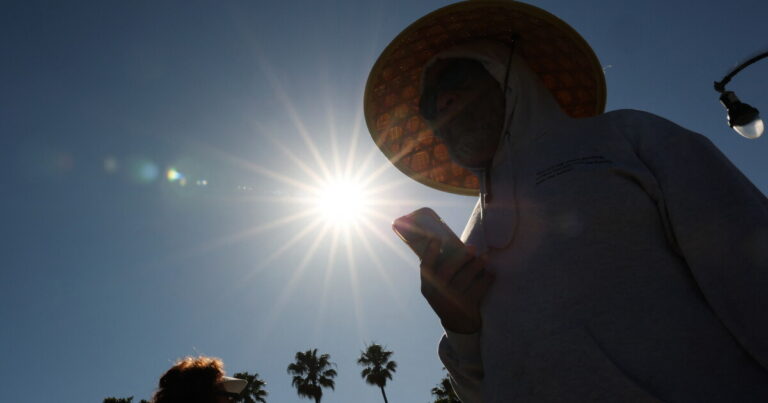
Soaring Temperatures and Elevated Risks: Heat Wave Hits Southern California
Sweltering summer days hit Southern California with temperatures soaring to triple digits, urging caution for heat risks.
Sweltering summer days hit Southern California with temperatures soaring to triple digits, urging caution for heat risks.
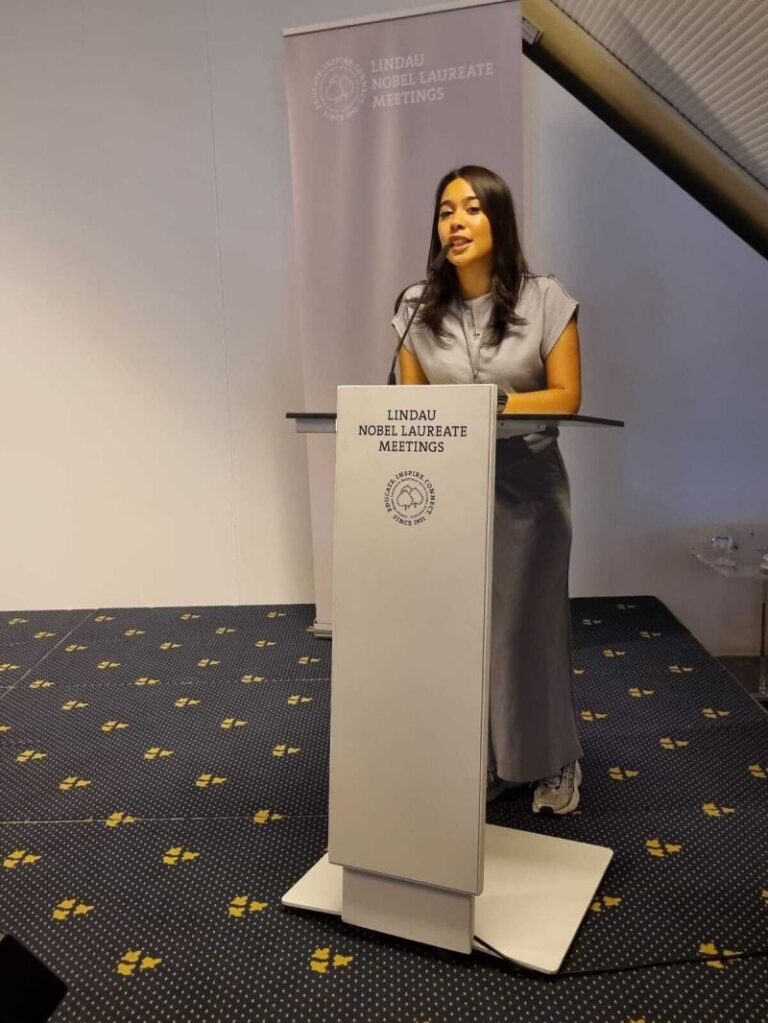
South Africa’s young scientists shine at the 75th Lindau Nobel Laureate Meeting, engaging with Nobel winners worldwide.
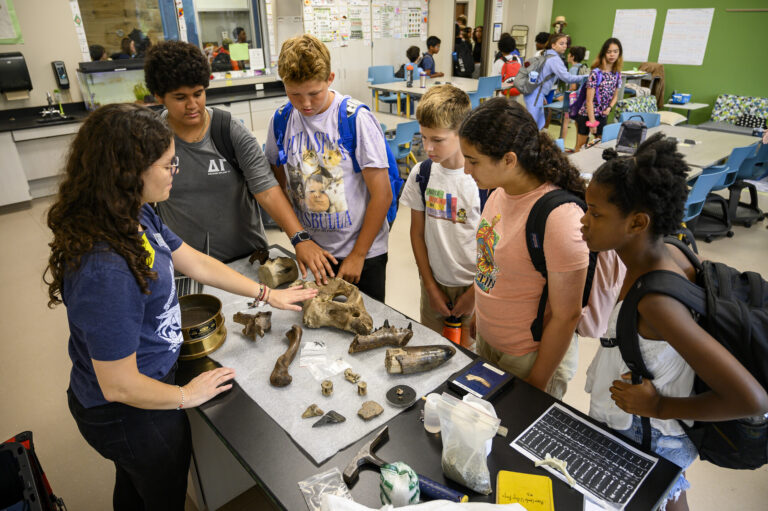
Join UF Thompson Earth Systems Institute in inspiring future scientists! TESI seeks a grad assistant for 2026-2027.
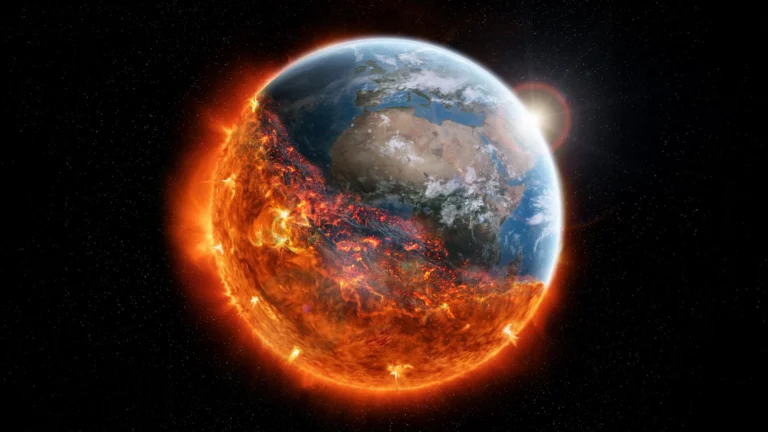
A climate scientist disputes a US report, claiming it misrepresents his research and downplays human impact on warming.
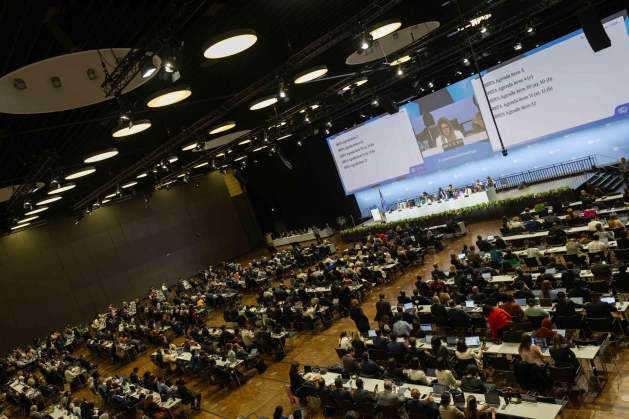
The UN Climate Talks in Bonn 2026 stalled, impacting COP31 in Antalya. Key issues remain unresolved, posing global challenges.
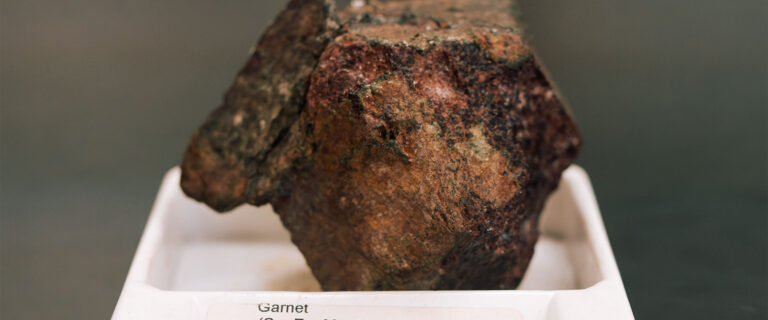
St. Mary’s Environmental Science Professor David Turner discusses the significance of finding Mars garnets.
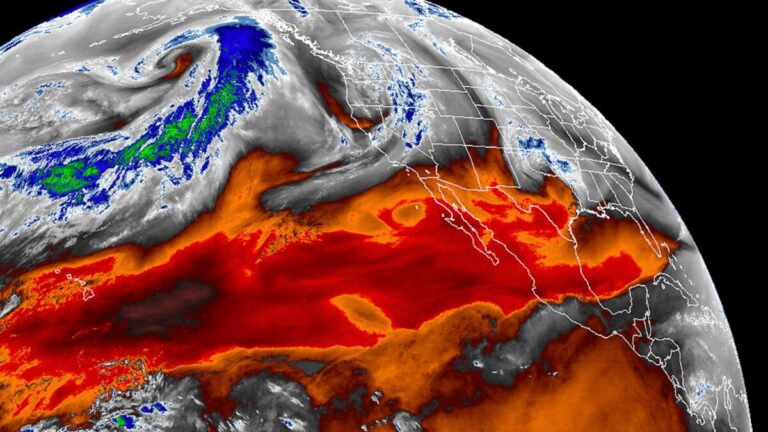
Last summer, Trump shut down climate.gov, but a volunteer team revived it as climate.us, preserving vital data.

The UPSC ESE General Studies paper is crucial for the Preliminary Examination, offering a significant scoring advantage.
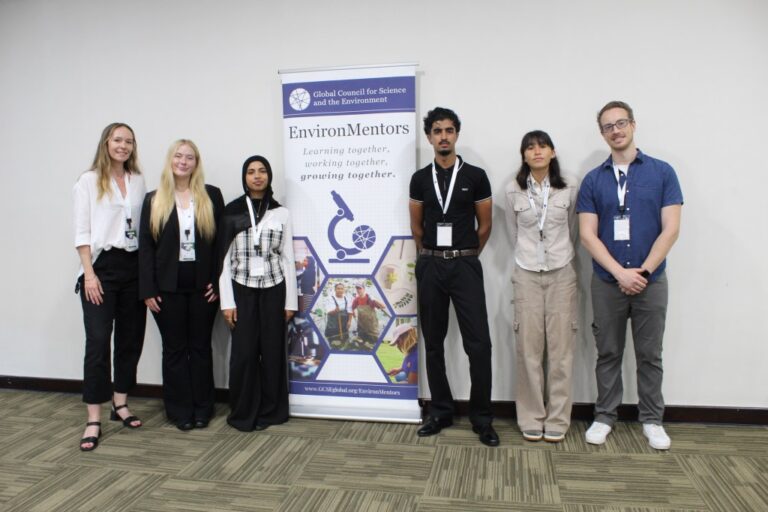
Students at UC Davis celebrate mentoring young scientists through EnvironMentors, fostering hands-on STEM experiences.
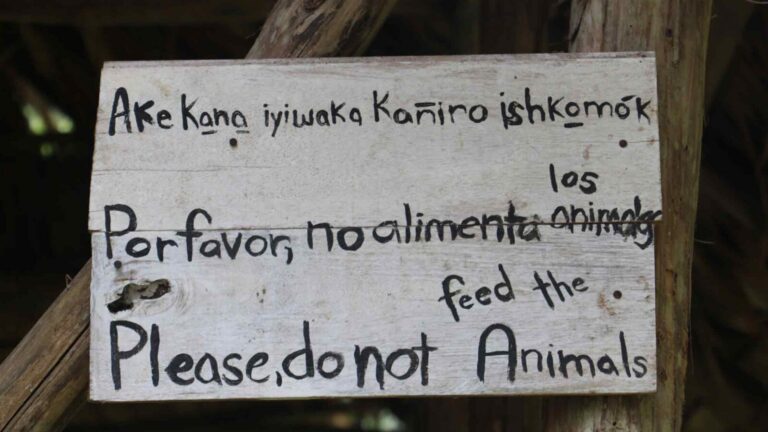
More than 2,000 Indigenous languages are at risk of disappearing this century — and with them we could lose vitally…

Associate Professor Madison Jones at URI blends science communication with digital humanities, emphasizing outdoor learning.
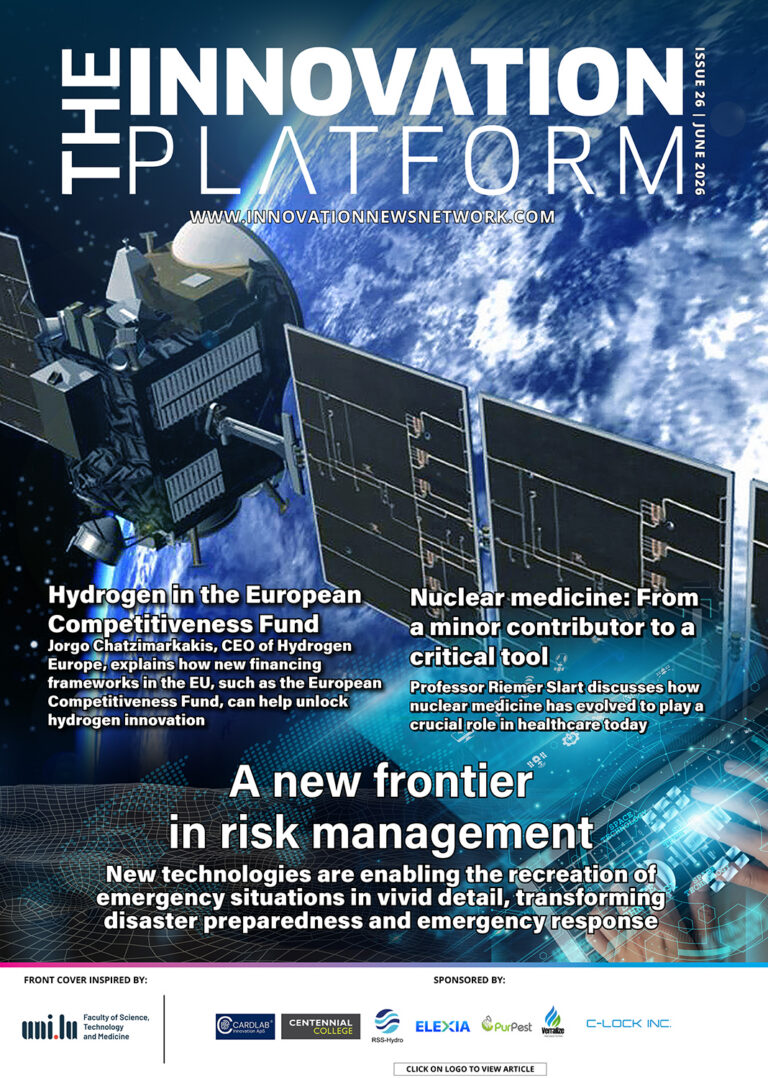
Explore Issue 26 of The Innovation Platform for insights on science, tech, health, energy, and environment advancements.