
Binghamton faculty provide expert insights on complex issues for media
Binghamton faculty are experts in their fields, often relied on by reporters for clear explanations on complex issues.
Binghamton faculty are experts in their fields, often relied on by reporters for clear explanations on complex issues.

Exposomics explores how environmental and social factors, not just genetics, influence up to 90% of disease cases.
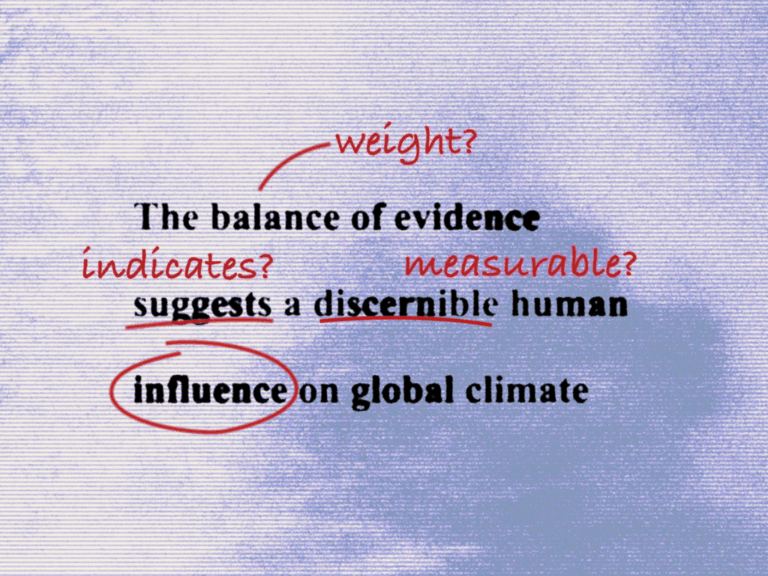
IPCC declared on November 29, 1995: “The balance of evidence suggests a discernible human influence on global climate.”

In 2025, students favored Newsela articles on pop culture, sports, and civics, engaging with stories that connect learning to life.

Heather Majano, East Lansing’s environmental coordinator, connects students with nature, despite challenges post-COVID.

President Trump called climate change a “con job” at the U.N., challenging nations to take united action against U.S. policies.

Greenfield Sustainable Group (GSG) is a top environmental consulting firm in Johannesburg, delivering innovative solutions.

It was a mixed blessing when Iowa’s board voted to adopt revised science standards, censoring evolution and climate.

Scientists have found a simple method to remove microplastics from drinking water by boiling and filtering it.

A study links social media use to climate anxiety, finding TikTok and Snapchat associated with ‘climate doom’ beliefs.

Jeff Grant, an Illinois high school teacher, integrates climate change science into his classes despite challenges.

Agricultural production is crucial for food security, but excess nitrogen leaching harms water quality and ecosystems.