
Binghamton University faculty frequently serve as trusted sources for journalists seeking expert insights on a wide array of topics, including health, science, and education. Reporters from major news outlets often rely on these experts to clarify complex issues and dispel prevailing myths.
Below are highlights of instances where Binghamton experts have provided essential clarity and insights.
Human Consciousness in Robots: Not Anytime Soon
While pop culture often depicts a future where human consciousness can be uploaded to robots, such as in the new show Alien: Earth, we are far from making this a reality. Carlos Gershenson-Garcia, an Empire Innovation Professor and AI expert, explains that the primary challenge is our current lack of understanding of consciousness itself. “The main problem is that we still don’t understand what consciousness is, nor how it functions in us and other species,” Gershenson-Garcia stated. Without knowing the mechanisms behind consciousness, replicating it in robots remains a distant possibility.
Mentioned in Mashable
Brain Training: More Than Just Puzzles

Engaging in crosswords and word games may feel rewarding, but they might not be sufficient to keep the brain robust. Ian McDonough, associate professor of psychology, emphasizes that the brain, like any organ, requires comprehensive stimulation to remain strong. “If you’re not using all parts of it…it might start shrinking,” he said. McDonough suggests that while familiar games are enjoyable, embracing new mental challenges is crucial for cognitive growth.
Mentioned in Health
Challenges in Identifying Autism in Girls

The task of identifying autism, particularly in girls, poses significant challenges for schools. Raymond Romanczyk from the Institute for Childhood Development points out that autism manifests on a broad spectrum, making accurate detection difficult without specialist training. He highlights that although better training can aid teachers, the pressure to identify every case is immense, especially when signs are subtle. Enhanced support can help ensure that autistic girls are not overlooked.
Mentioned in HuffPost UK
Gen Z’s Anxiety: A Product of Their Environment

Gen Z is often perceived as anxious, but Lightning Jay, assistant professor of teaching, learning and educational leadership, attributes this to environmental factors rather than biological differences. He notes that today’s youth face unprecedented distractions, driven by an economy focused on capturing attention. “Young people today live in a much more distracting environment than any generation before them has lived in,” Jay remarked. Despite these pressures, Jay asserts that Gen Z is not biologically different from previous generations.
Mentioned in Fortune
Advances in Identifying Missing Persons
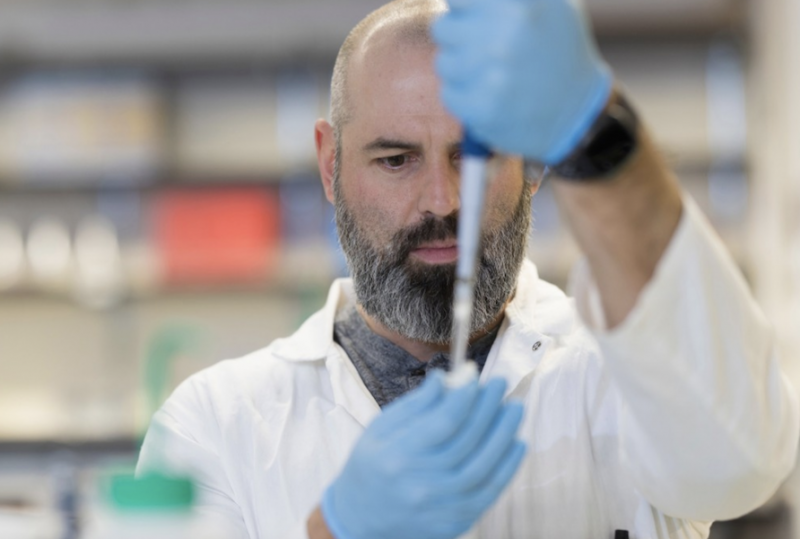
New genetic technology is revolutionizing the identification of victims in mass-casualty events, where remains are often unidentifiable by traditional means. Matthew Emery, a professor of anthropology, highlights that advancements in genetic science allow for the extraction of information from tiny genetic traces. “Now we have technology that really pinpoints those short molecules,” he explained. However, he emphasizes that commitment, not just capability, is crucial for progress in this field.
Mentioned in The New York Times
Diet Influences Body Odor

The foods you consume can affect your natural scent, explains Lina Begdache, an assistant professor of health and wellness studies. She describes how bacteria in the gut and skin interact with food chemicals to release gases, influencing body odor. Roughly one-third of adults experience halitosis, indicating that what you eat not only nourishes but also impacts your scent.
Mentioned in BBC Future
Unseen Brain Injuries from Slap Fighting

The growing popularity of slap fighting raises concerns about the potential for brain injuries. Vipul Lugade, an associate professor of physical therapy, warns that the sport poses a significant risk of concussions. Even without immediate impact, the forceful blows and head movement can result in serious injuries. Symptoms might not be immediately apparent, sometimes emerging hours or days after the impact.
Mentioned in Huck
The Importance of Bedtime Stories for Children

In an era dominated by screen time, the tradition of reading to children is declining. Dawna Duff, associate professor of speech-language pathology, highlights the critical role of bedtime stories in early literacy. She warns that children who miss out on reading at home often start school at a disadvantage, missing vital vocabulary development essential for academic success.
Mentioned in The Guardian
Counteracting the Effects of Prolonged Sitting

Prolonged sitting can limit joint mobility, but simple changes in posture may help. Matthew Murphy, clinical assistant professor, suggests lying on your stomach to encourage joint movement not typically achieved during daily activities. This position opposes the usual joint positions from sitting, helping improve mobility and posture.
Mentioned in Verywell Health
Financial Advice: Focus on High-Interest Debt

Despite burdens like student loans, there are strategies to build wealth. Daniel McKeever, assistant professor in the School of Management, advises prioritizing the repayment of high-interest debts and living within one’s means. Smart financial planning and discipline are key to achieving financial success.
Mentioned in Yahoo! Finance
Bird Behavior Signals Environmental Changes

Recent changes in bird behavior are indicative of broader environmental shifts. Behavioral ecologist Justin Mann explains that many bird species are forced to relocate due to unsuitability of their traditional habitats. Such shifts in bird patterns are warnings of larger ecological changes.
Mentioned in The New York Post
Ongoing Journey of Cancer Recovery

Kate Middleton’s cancer journey sheds light on the complexities of cancer treatment and recovery. Tracy Brooks, associate professor of pharmaceutical sciences, notes that discovering cancer after surgery and the need for extended chemotherapy are not uncommon. Decisions around treatment involve weighing the risks of recurrence against potential health impacts.
Mentioned in Woman’s World
Global Impact of Massive Earthquakes
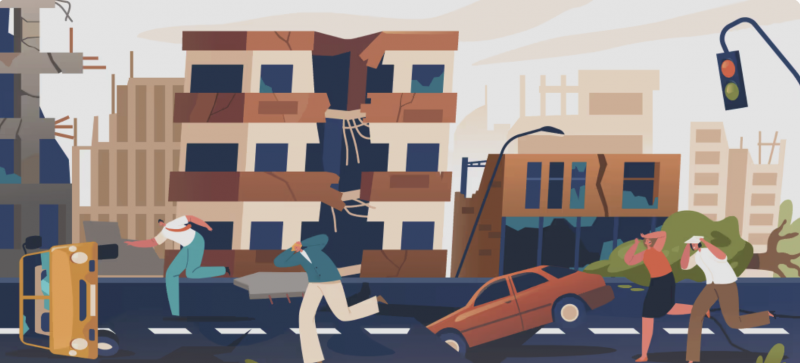
A recent earthquake in Russia demonstrated how seismic activity can be detected across the globe. Alex Nikulin, associate professor, explains that large quakes can send seismic waves circling the planet multiple times. While humans may not feel these distant vibrations, specialized instruments can still measure them.
Mentioned in The Daily Mail
Longer Tick Seasons Linked to Climate Change
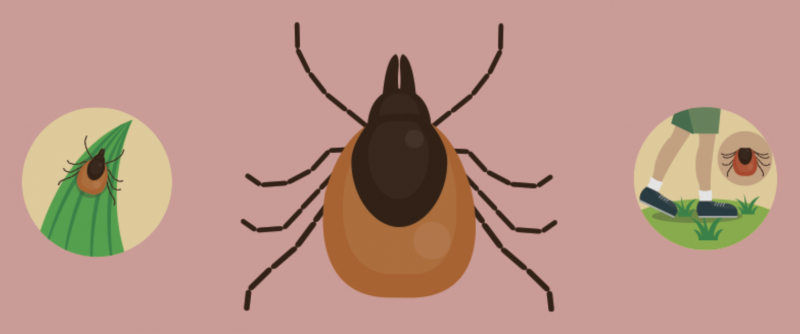
Experts attribute this year’s increase in tick bites to climate change, which has created favorable conditions for ticks. Amanda Roome, associate director at the Binghamton University Tick-borne Disease Center, notes that ticks are now establishing populations further north and are active for longer periods due to milder winters.
Mentioned in USA TODAY
Social Experiences in Senior Living

Senior living environments are designed to support social interactions, with independent living focusing on open spaces and assisted living on structured programming. Heidi Ewen, a nursing associate professor, explains that activities in these settings are meant to combat loneliness and support mental well-being.
Mentioned in U.S. News & World Report
Find an Expert!
Binghamton is home to faculty with a wide variety of research interests and expertise. Check out our Experts List to search for faculty by keyword!
Have questions, comments or concerns about the blog? Email us at social@binghamton.edu.
Original Story at www.binghamton.edu