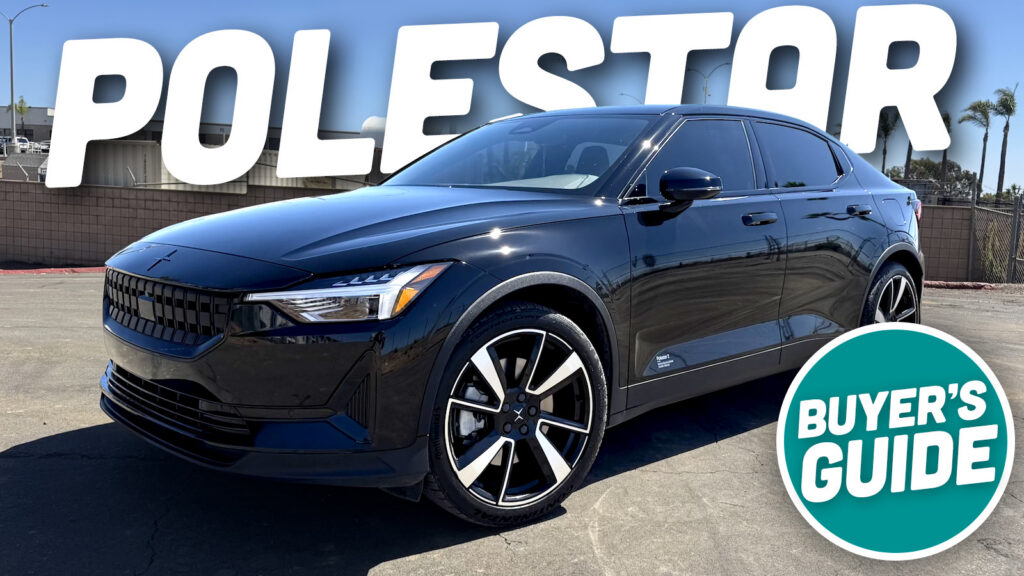
In the world of electric vehicles, depreciation is often a major concern for potential buyers. However, this factor has turned the Polestar 2 into an enticing option for those looking for an affordable yet high-performance electric vehicle. Once priced at nearly $60,000, the Polestar 2 can now be found in the U.S. market for under $20,000, making it a remarkable deal for savvy shoppers. Here’s why the Polestar 2 stands out as a smart purchase in the used EV market.
Unveiling the Polestar 2: A Blend of Performance and Affordability
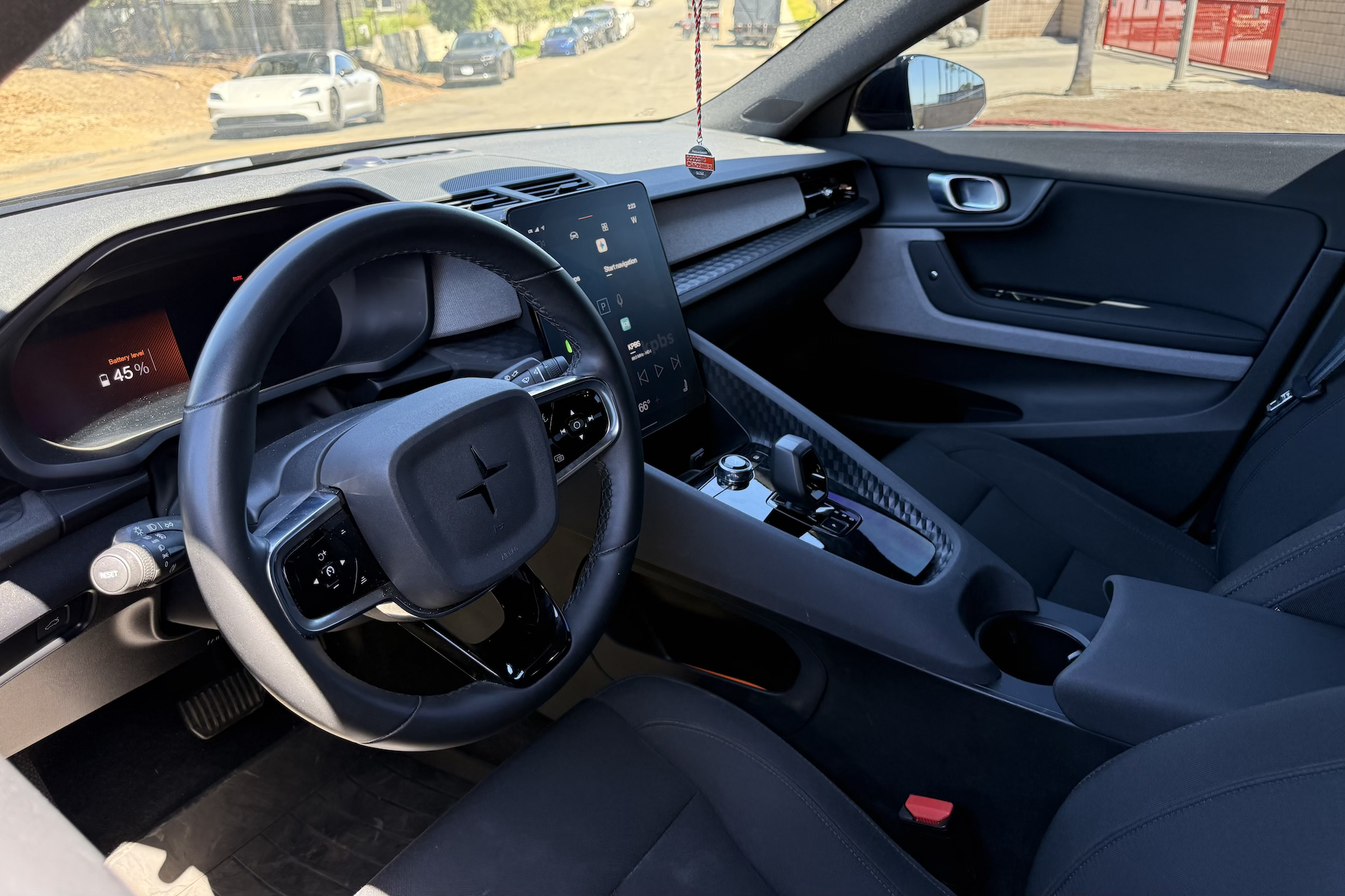
The Polestar 2, introduced in 2020, marked Polestar’s first foray into the fully electric vehicle space. Initially launched as the Volvo 40.2 concept, the Polestar 2 evolved into a versatile vehicle built on the CMA platform, which it shares with the Volvo XC40 and C40. Available in multiple configurations, including front-wheel, rear-wheel, and all-wheel drive, the Polestar 2 offers a range of battery options, providing an EPA estimated range of 247 to 320 miles depending on the configuration.
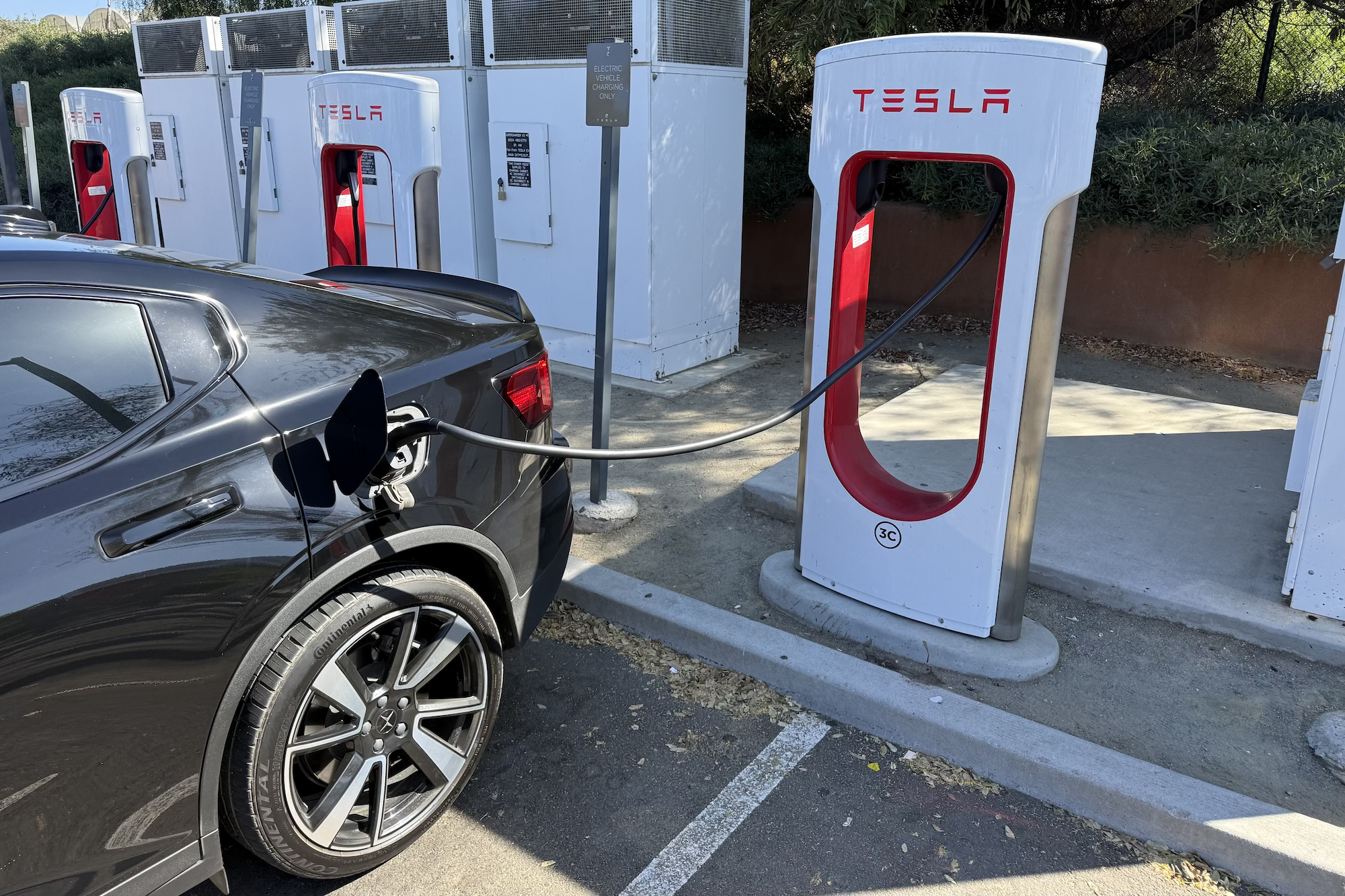
Initially, the vehicle did not stand out against competitors like the Tesla Model 3 in terms of value. However, as used EV prices dropped, the Polestar 2 has become increasingly appealing. According to Cox Automotive transaction data, 4-year-old Polestar 2s are now priced in the high teens to low twenties, making them a viable option for those seeking an electric vehicle with modern features like Tesla supercharger compatibility.
Key Considerations for Prospective Buyers
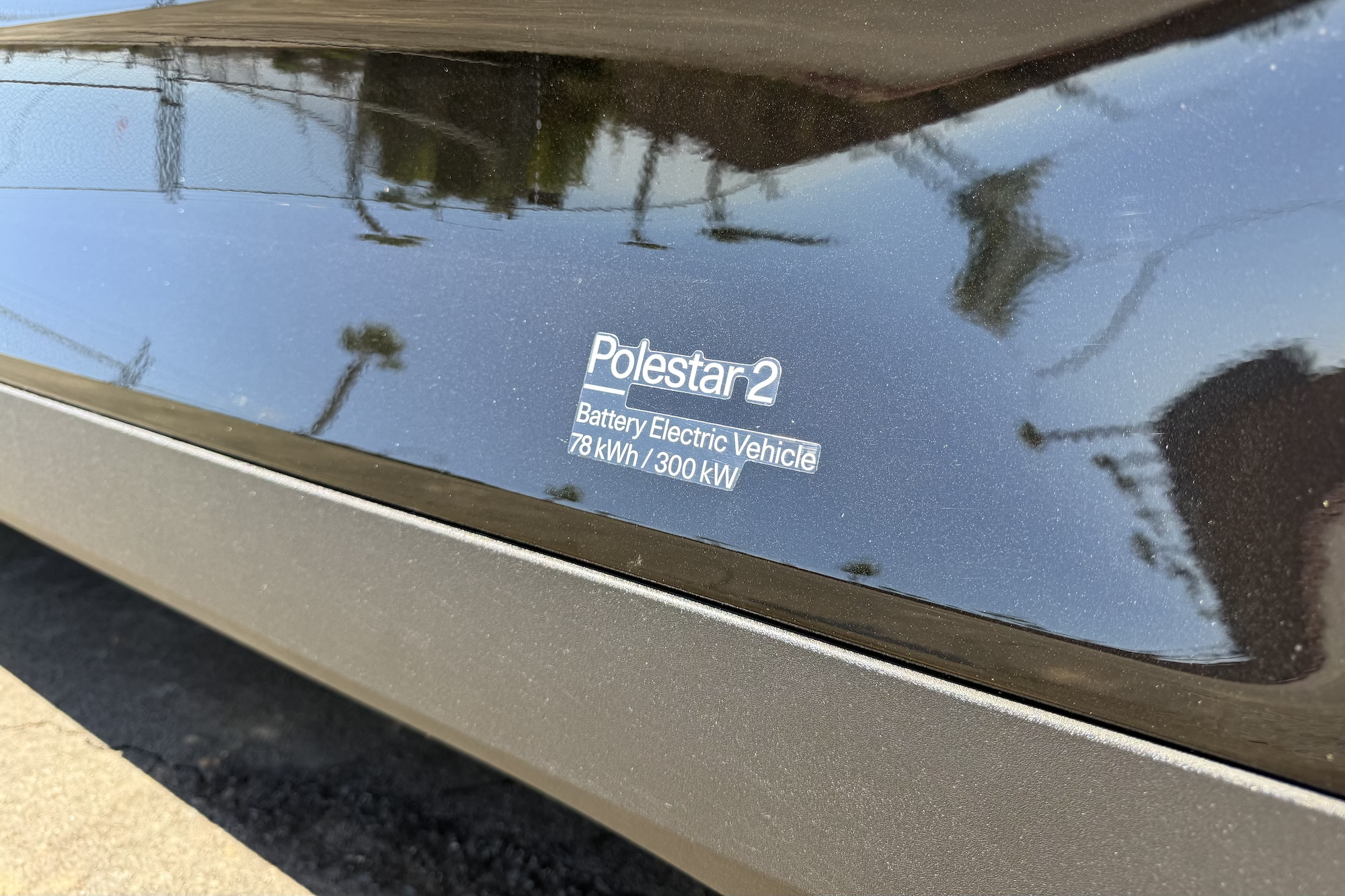
When considering a used Polestar 2, battery health is a common concern. The Polestar 2’s 78kWh CATL battery has proven to be robust, with studies showing durability past 100,000 kilometers. The Polestar Service Center in San Diego reports that vehicles used for ridesharing have maintained around 80% battery health after extensive use.
Potential buyers should be mindful of the model’s variations. The Polestar 2 offers two motor types—single and dual—along with several option packages. Notably, the 2021-2022 FWD Single Motor models have shown a tendency for front motor issues, whereas the RWD Single Motor and Dual Motor models are more reliable. Additionally, a known issue with the Polestar 2 is a clicking noise from the rear axles during regenerative braking, which can be addressed by replacing the axles.
Servicing and Ownership Costs
Polestar’s 32 service centers in the U.S. will continue to provide support for existing owners, even as Polestar withdraws from the U.S. market. Independent service shops, particularly those familiar with Volvo models, are also a viable option for maintenance and repairs.
Routine service is recommended every 20,000 miles, with costs varying depending on whether you choose a service center or independent mechanic. While some maintenance tasks are straightforward for DIY enthusiasts, others, like fluid replacements and major hardware repairs, are best left to professionals.
Why Consider a Used Polestar 2?
For those who commute regularly, the Polestar 2 offers substantial savings on fuel costs. Charging at home using off-peak power rates can be significantly cheaper than traditional fuel expenses. Additionally, the Polestar 2 provides peace of mind with its reliable performance and low maintenance requirements, making it a sensible choice for those seeking a cost-effective and efficient electric vehicle.
Original Story at www.theautopian.com