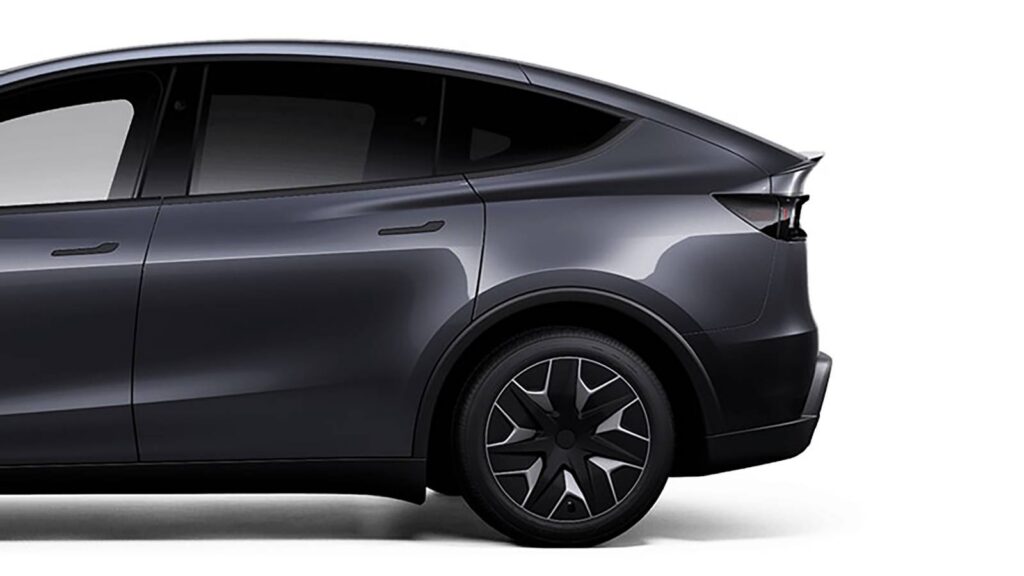
Flush-mounted door handles that pop out electronically have become synonymous with modern, high-end electric vehicles. These sleek features not only enhance the car’s aerodynamic profile but also represent the cutting-edge technology associated with EVs. However, this design choice has come under scrutiny, especially in China, where a significant regulatory change is on the horizon.
China’s Landmark Recall and Ban on Door Handles
China is set to prohibit flush-mounted electronic door handles starting in 2027. This decision comes alongside the country’s largest automotive recall to date, affecting over 4 million vehicles currently on the road. The recall includes approximately 4.3 million units from nine automakers, such as Tesla, Xiaomi, Geely, Leapmotor, and Xpeng, as reported by Reuters.
Regulatory bodies in China have deemed these door handles a potential safety hazard following incidents where passengers were trapped in burning vehicles. Tesla is the most impacted, with 2.98 million vehicles—including the Model 3, Model S, Model Y, and Model X—to undergo modifications.
Safety Concerns and Proposed Remedies
The recall aims to address the risk posed by these door handles, especially in scenarios where a car’s electrical system fails during a crash. Tesla plans to implement new warning labels for the manual door release and offer a software update to lower windows automatically when a collision is detected. However, questions arise about the effectiveness of these measures if the electrical system is compromised or if physical damage obstructs window operation.
While the manual release sticker may guide occupants in emergencies, its accessibility remains a concern, particularly if it is hidden behind trim panels. This issue highlights the challenge of balancing design aesthetics with practical safety features.
Implications Beyond China
This regulatory move in China may resonate globally, including in the United States, where similar concerns have surfaced. The National Highway Traffic Safety Administration is evaluating new regulations for electronic door systems, with potential changes anticipated by 2030. As a result, automakers like Tesla and Rivian are already exploring alternative designs.
Some vehicle owners have proactively modified their door mechanisms to enhance emergency accessibility, reflecting a broader awareness and concern over the current design’s limitations.
Ultimately, while flush-mounted door handles offer aesthetic and aerodynamic advantages, their safety implications necessitate reconsideration. As the automotive industry evolves, ensuring occupant safety remains paramount, guiding future design innovations.
Source: Reuters
Original Story at carbuzz.com