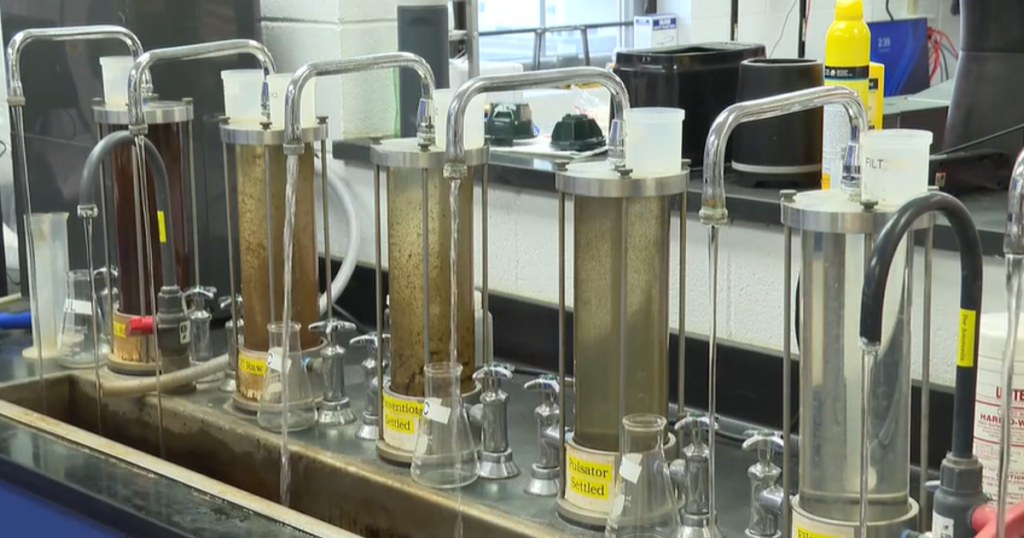
Amidst the evolving climate and technological landscape, North Carolina’s water systems are navigating new terrain as they adapt to the dual challenges of climate change and cybersecurity threats. These factors are reshaping how utilities ensure safe drinking water delivery to millions across the state.
Various factors come into play as risks vary across regions in North Carolina. Smaller water systems encounter more significant challenges due to limited resources, while their larger counterparts reassess strategies for droughts, floods, and digital security to maintain safety and reliability.
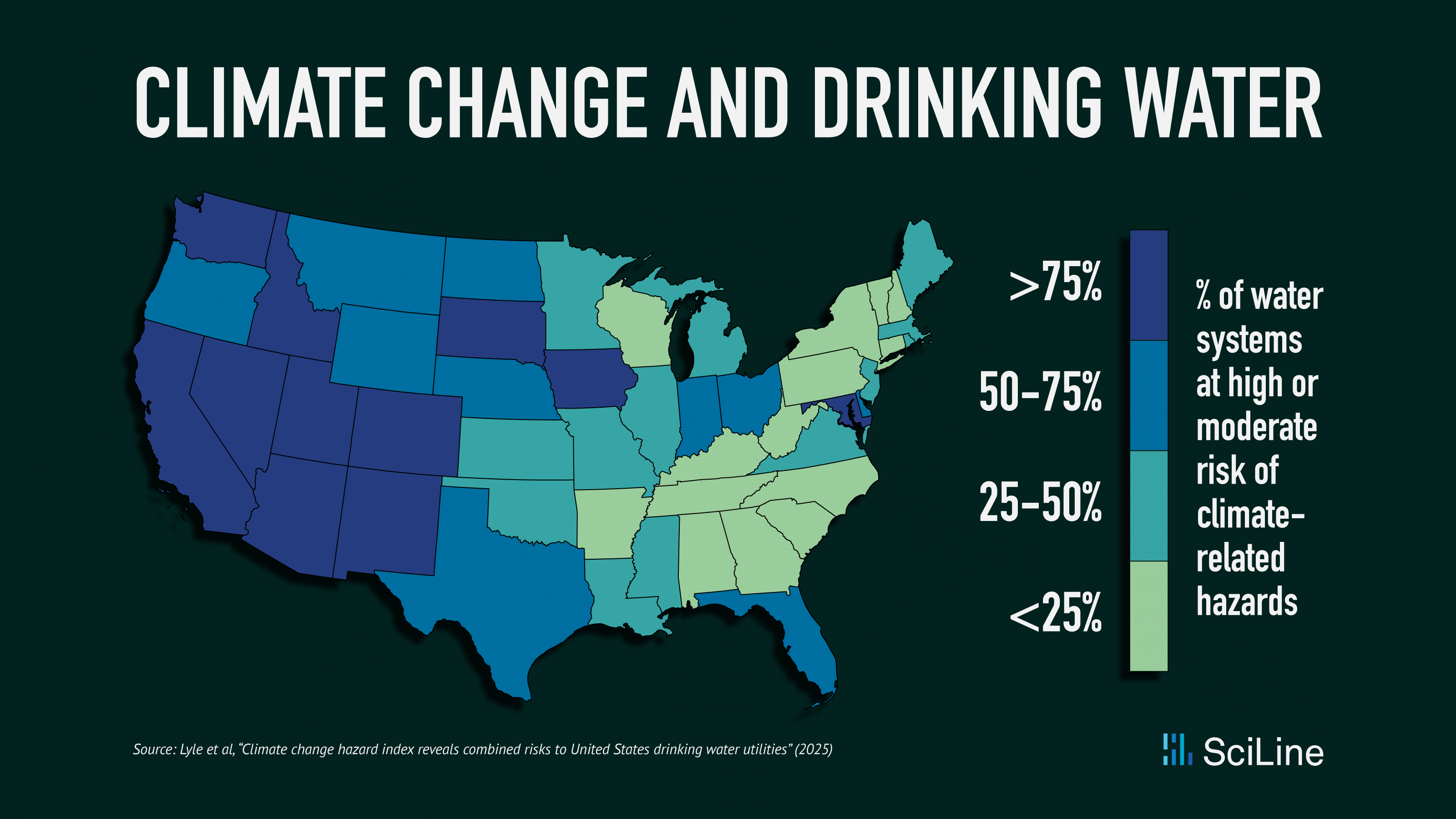
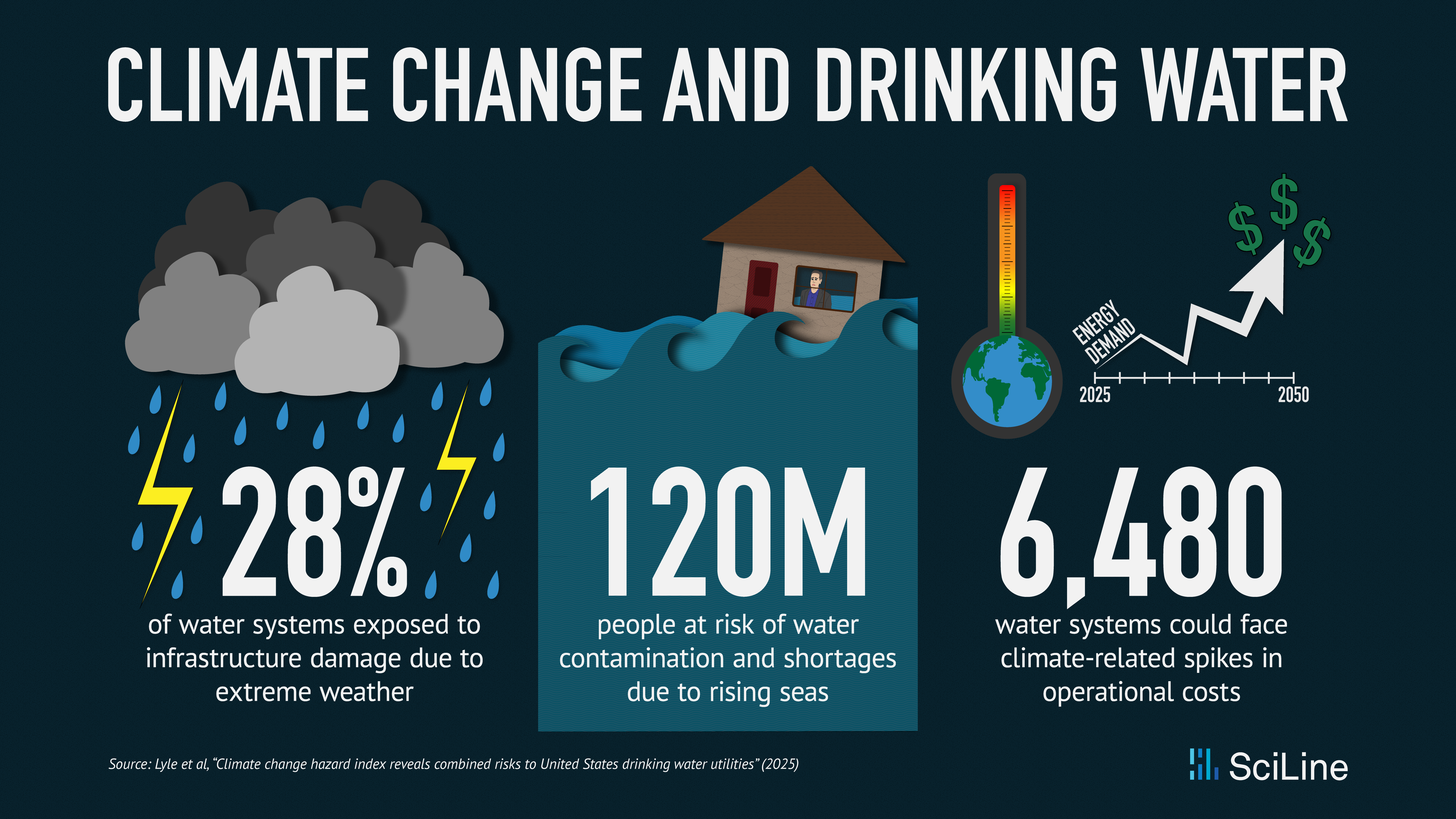
A recent study spearheaded by Dr. Zia Lyle from the University of North Carolina at Chapel Hill reveals that 18% of the state’s drinking water systems are at moderate or high risk from climate-related hazards. On a national scale, similar risks affect water systems serving about 120 million people.
Dr. Lyle explains, “It’s really about identifying the specific hazards a system’s exposed to, and then its ability to respond and prepare for those.” Smaller, rural systems often struggle more due to fewer resources and personnel to implement necessary system investments.
Adapting to Climate Change
Raleigh Water is among those preparing for increasingly unpredictable weather patterns. In 2012, the utility updated its drought triggers, anticipating future droughts could worsen by 10% compared to historical data. After experiencing another dry summer, officials are reevaluating these plans.
Ed Buchan, Raleigh Water’s water resources manager, describes the utility’s approach as modeling a “Frankenstein drought,” merging the current drought conditions with those from the 2007-08 drought to assess system resilience. “We’re now looking at combining this drought with the drought we had in 2007, 2008, and just model that and see how we would react,” Buchan explained. “And see how our system can be resilient to that sort of event.”
Utilities are also rethinking water treatment processes as climate change affects water quality. Raleigh Water invests in ozone treatment and expands its use of powdered activated carbon to combat algae growth, reduce PFAS, and enhance taste and odor. Although Raleigh Water hasn’t observed increased PFAS concentrations during the current drought, they remain vigilant about potential future impacts on water quality.
Strengthening Cybersecurity
Beyond climate, cybersecurity has become a crucial focus for water utilities nationwide. A recent cyberattack on multiple Minnesota water systems has brought attention to the digital threats facing essential infrastructure.
At the Orange Water and Sewer Authority (OWASA), cybersecurity is integral to operations. “We have a whole dedicated team to cybersecurity,” said Allison Spinelli, OWASA’s director of water resources. “We work with some really talented integrators as well as IT professionals to make sure that our infrastructure that operates and maintains the facilities that produce the drinking water for this community are safe.”
OWASA mitigates risks by keeping treatment facility systems separate from business networks, while employee training and vigilance remain top priorities. “Utilities are one of those areas that are constantly being probed for cybersecurity attacks, ransomware, whatever it may be,” Spinelli noted. “So staying vigilant is really important.”
Throughout the treatment plant, sensors continuously monitor water quality, feeding data into the supervisory control and data acquisition (SCADA) system. This setup enables operators to oversee treatment processes in real-time, enhancing the system’s security and efficiency.
Preparing for Future Challenges
Both climate change and cybersecurity highlight the increasing complexity of delivering safe drinking water. Lyle emphasizes that each system faces unique hazards based on its location, size, and resources, making proactive preparation as vital as responsive measures when issues arise.
Utilities in the Triangle region, such as Raleigh Water and OWASA, are incorporating climate planning to identify future risks better and guide investments that will fortify their systems for years ahead.
Original Story at www.wral.com