The Growing Divide on Climate Change: Science Versus Policy
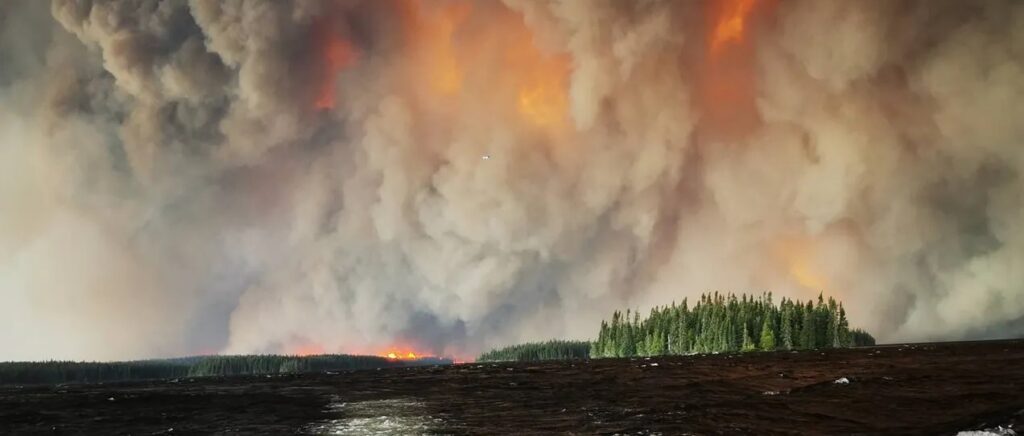
As wildfires rage across the Pacific Northwest and Canada, a significant gap persists between scientific understanding of climate change and the messaging from the Trump administration. While experts and humanitarian groups point to rising temperatures and prolonged drought as major contributors to the intensity and frequency of wildfires, officials in the administration cast doubt on climate science.
In the political arena, Senate Democrats have been pressing Trump nominees to address both the 2020 election and climate change directly. Candidates are asked to recognize the election’s outcome and express their stance on global warming, yet these inquiries often go unanswered. The administration’s stance, often dismissing climate change as a “hoax” or “scam,” contrasts starkly with the deteriorating environmental conditions.
Media coverage of the fires consistently highlights the role of long-term drought and climate shifts. An article from Grist cites Betsy Robertson of the Red Cross, who has witnessed wildfire devastation for a decade. “The scale of homes destroyed and lives changed forever – this is a new level,” she notes, voicing concerns about increasingly severe fire seasons.
However, the U.S. Wildland Fire Service under the Interior Department takes a different stance, omitting climate change from its narrative. In February, the Secretary of the Interior suggested that climate change is “unsettled science,” fueling further debate.
“It was based on the idea that somehow the existential threat to the world was a degree of [temperature] change in the year 2100,” said Burgum. “People say, ‘Oh, it’s settled science. We can’t have a discussion about whether these forecasts may or may not be accurate, or there may or may not be cause and effect.’”
Scientific consensus strongly disagrees with this perspective. A peer-reviewed study by World Weather Attribution, examining recent Canadian fires, underscores that “climate change means extreme fire seasons in Canada are here to stay.” The study highlights the disproportionate impact on Indigenous communities and wildland firefighters, who face both physical and mental health challenges due to frequent fires and difficult evacuations.
Effective response and adaptation require coordinated efforts, including interagency collaboration, flexible resource allocation, and the integration of Indigenous knowledge. Addressing future fire risks involves improving forest resilience, enhancing early warning systems, and implementing comprehensive zoning plans. However, these measures are hindered when agencies deny the existence of climate change, making proactive planning challenging.
Original Story at nativenewsonline.net