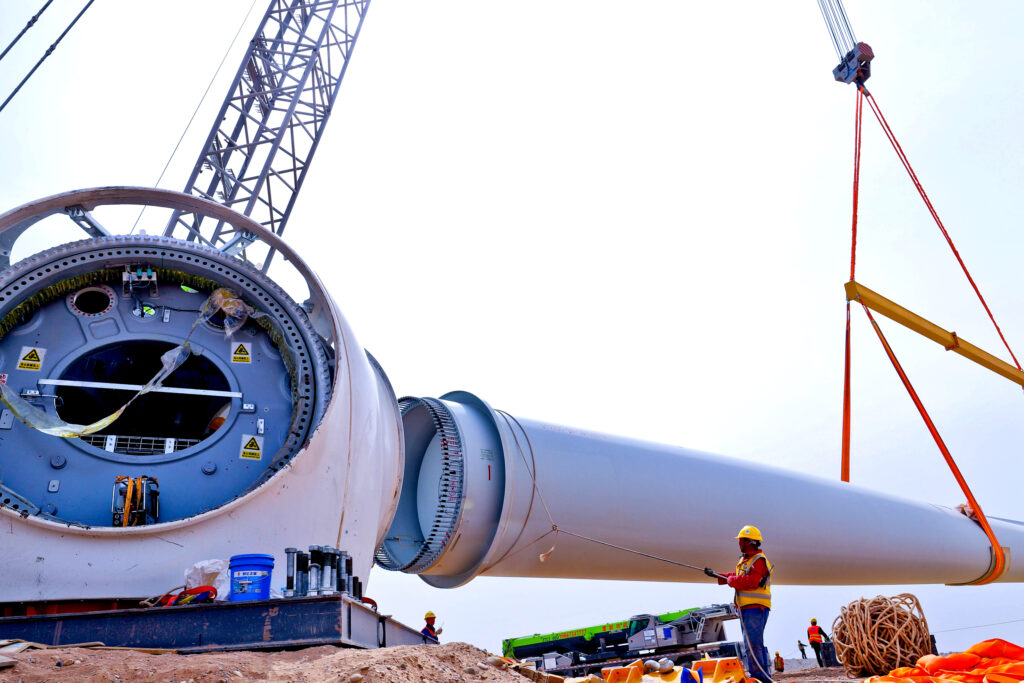
In 1995, Gary Dirks arrived in China as BP’s country head amid the government’s efforts to boost domestic energy production. Despite limited success in oil and gas exploration, China shifted focus to domestic coal, wind, and solar energy. These investments now help buffer China from the impacts of the U.S.-Israeli conflict in Iran, even though Beijing still depends on foreign oil.
Dirks, now at Arizona State University’s Global Futures Laboratory, noted China’s long-standing efforts to utilize its own resources. Despite receiving nearly half of its oil and a third of its LNG from the Middle East, China’s substantial crude oil reserves of about 1.4 billion barrels could sustain the country for months without imports, according to Erica Downs from the Center on Global Energy Policy.
However, China is more vulnerable with natural gas due to limited reserves, causing industrial users to face higher costs or reduced operations due to spiking prices in Asia. Downs sees potential long-term benefits for China despite short-term challenges.
In an essay in Foreign Policy, Downs and Jason Bordoff from the Center on Global Energy Policy argued that the conflict highlights China’s strategic preparations for geopolitical energy challenges through electrification and clean technology advancements.
China leads globally in electric vehicle sales and advancements in wind and solar energy installation, according to the energy think tank Ember. Gasoline and diesel demand have decreased, and crude demand has leveled off, as indicated by the International Energy Agency.
Chinese coal plants have been upgraded to function as flexible power sources, akin to natural gas turbines, according to Kate Logan from the Asia Society Policy Institute. This flexibility positions China to handle power sector shocks effectively.
China’s potential to use coal for liquid fuels or industrial feedstocks poses an environmental risk, but Downs believes any increase in coal usage will be temporary, given China’s emission reduction goals. The country’s 15th Five-Year Plan outlines a 17% reduction in carbon intensity by 2030, although it suggests new gas pipeline possibilities from Russia, as noted by analysts.
The blockade at the Strait of Hormuz impacts global fertilizer shipments, yet China remains largely self-sufficient. Former USDA economist Fred Gale notes China’s net export position in nitrogen fertilizer production, supported by recent government directives to ensure supplies.
A Chinese embassy spokesperson emphasized the need for de-escalation in the region to maintain safe trade routes. Downs suggests China’s leadership in renewable technologies could grow as nations seek alternatives to fossil fuels due to geopolitical tensions.
Original Story at insideclimatenews.org