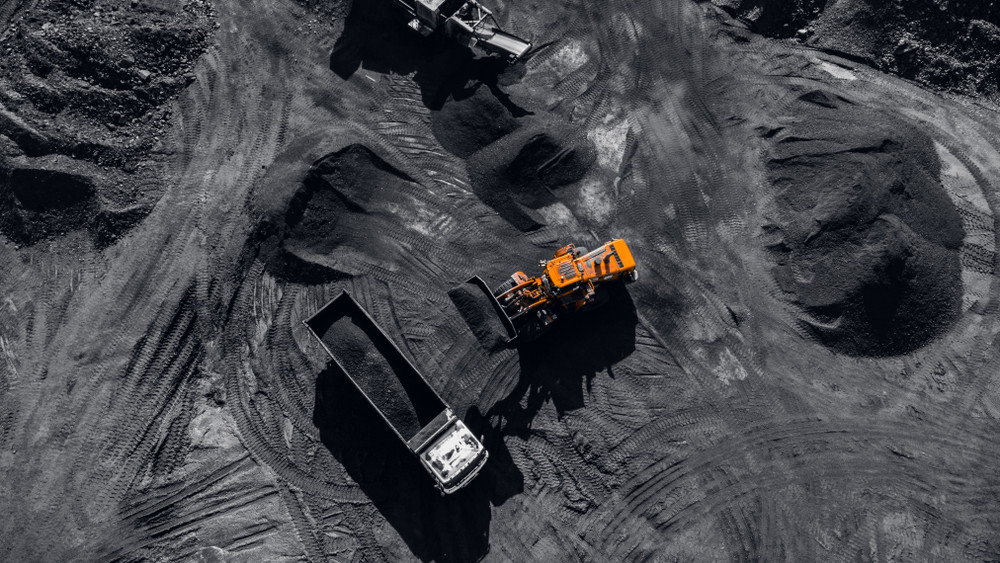
The Trump administration’s continued reliance on coal as a key energy source has drawn significant attention and criticism. Since taking office, President Trump has bolstered the coal industry, halting the decommissioning of several plants and utilizing federal resources to maintain their operation, ultimately resulting in substantial costs for taxpayers.
President Trump has implemented a series of executive orders aimed at sustaining the coal sector. By doing so, nearly half of the coal facilities in the U.S. have maintained operations past their expected closures, supported by public funding. A notable development occurred in September 2025, when the U.S. Department of the Interior unveiled plans to open 13.1 million acres of federal land for coal leasing, as part of Trump’s strategy to reinforce American energy independence through the One Big Beautiful Bill Act.
Doug Burgum, Secretary of the Interior, remarked, “President Trump promised to put American energy workers first, and today we’re delivering… By reducing the royalty rate for coal, increasing coal acres available for leasing, and unlocking critical minerals from mine waste, we are strengthening our economy, protecting national security.” His comments were part of the administration’s “Beautiful Clean Coal” event, which underscored the government’s commitment to the coal industry.
Despite the administration’s efforts, there has been considerable opposition from environmental advocates and industry stakeholders. Critics argue that prolonging the life of coal plants contradicts national goals for reducing carbon emissions and is economically unsound, given the availability of cheaper alternatives like natural gas and renewables. Many plant operators themselves express concerns about the economic viability of continuing to run outdated facilities.
An analysis by the Environmental Defense Fund (EDF) examined 184 coal plants linked to the grid, revealing that 90 benefit from government support. The EDF report highlighted that these plants receive “cash handouts, free passes to pollute, and requirements to stay online past their retirement dates,” totaling $950 million in public funding for 24 plants, along with Clean Air Act exemptions for 70 others.
Surbhi Sarang, director and senior attorney at EDF, noted, “It’s extending the life of these coal plants… The administration has leveraged a multitude of tools to prop up coal plants, and ultimately all of that is harming Americans even more by increasing electricity costs, by increasing pollution – it’s like Americans are getting hit twice.”
The Environmental Protection Agency (EPA) implemented the Mercury and Air Toxics Standards in 2015, significantly cutting mercury emissions from coal and oil power plants. Despite further updates in 2024 to tighten regulations, the Trump administration permitted coal companies to request exemptions, citing high compliance costs.
Research by Daniel Cohan, a Rice University professor, explored the association between coal plants and premature mortality. Cohan commented, “Trump is letting [plants] off the hook from the more stringent version of the standard… it lets them stay open longer.” He emphasized the financial strain on coal plants, which often struggle to remain profitable, suggesting that stricter regulations could hasten their closure in favor of cleaner energy sources.
With the average U.S. coal plant over four decades old, many require costly upgrades to remain functional and are significant polluters. The U.S. Energy Information Administration reported a 4 percent hike in carbon emissions from the power sector in 2025, primarily due to increased coal-fired electricity generation, which rose by 13 percent.
Sarang warned that continued financial backing for coal plants, combined with rising pollution, will have costly implications for taxpayers. Sarang explained, “This is a lot of government support and intervention that’s going to benefit an industry much more than it will benefit the American public… [Coal plants] produce pollution, which will just cost communities more. And they’re an expensive form of energy that will cost communities more.”
Despite the push for maintaining older coal plants, the administration’s approach has been criticized for overlooking the potential benefits of investing in more sustainable and cost-effective energy solutions, with taxpayers bearing the financial and environmental costs.
Original Story at oilprice.com