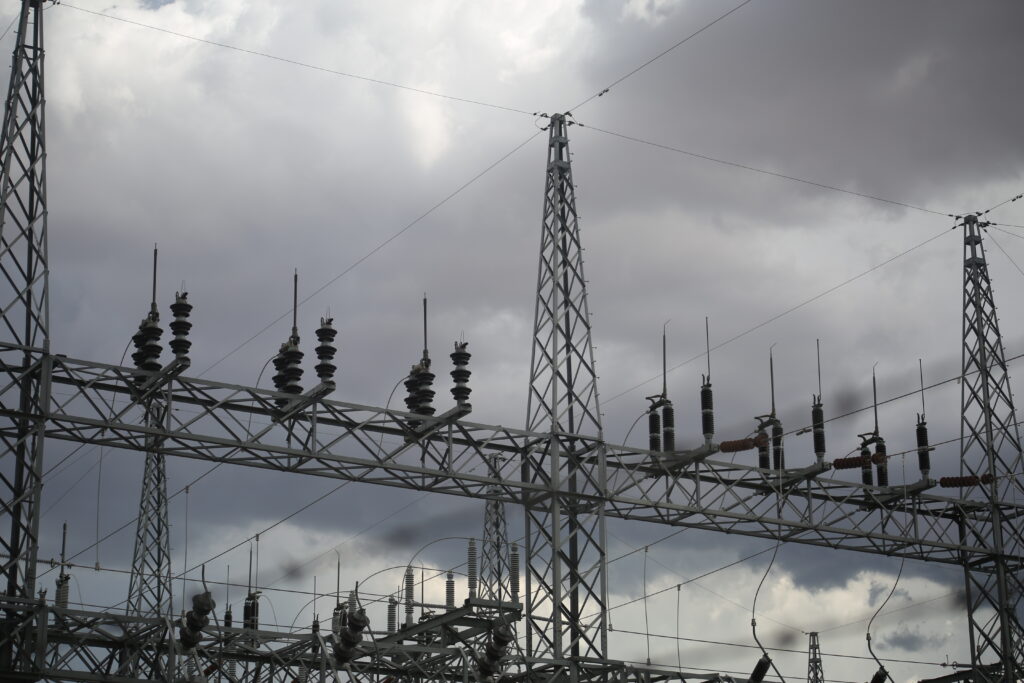
Building a new power line, wind farm, or pipeline in the United States can take years — sometimes decades — before a single shovel hits the ground. The U.S. Senate just voted to change that, passing a sweeping bipartisan bill aimed at cutting through the red tape that slows energy construction across the country.
The Senate approved the 62-33 vote on Thursday, sending the Bipartisan American Affordability and Jobs Act — known as BAAJA — to the U.S. House of Representatives. The House faces limited time to act, with the lame-duck session winding down and several other legislative priorities competing for floor time. The measure now awaits consideration in the lower chamber.
What the Bill Would Do
At its core, the legislation targets the federal permitting process — specifically the environmental reviews required under the National Environmental Policy Act, or NEPA. The bill would shorten the timelines for those reviews and narrow the circumstances that trigger the most comprehensive assessments. Supporters say the current process is too slow and too costly, delaying everything from solar arrays to natural gas infrastructure.
The vote drew support from most Senate Republicans, who have long pushed to streamline environmental regulations, as well as several Democrats who see faster permitting as essential to getting renewable energy projects built. Only two Republicans — Sen. Josh Hawley of Missouri and Sen. Mike Rounds of South Dakota — voted against the measure. On the Democratic side, just 15 members of the caucus voted in favor.
The bill was negotiated by a bipartisan group of Senate committee leaders: Sen. Shelley Moore Capito (R-WV) and Sen. Sheldon Whitehouse (D-RI) from the Environment and Public Works Committee, and Sen. Mike Lee (R-UT) and Sen. Martin Heinrich (D-NM) from the Energy and Natural Resources Committee.
In a statement following the vote, Capito said the Senate
“took a major step towards addressing the affordability concerns of the American people.”
She added that she has
“spent years trying to achieve bipartisan compromise on legislation that gets our nation back to building,”
calling the bill
“the culmination of those efforts.”
Sen. Heinrich, whose state of New Mexico is home to major energy development, said the bill would reduce electricity costs while keeping environmental standards intact. He argued the legislation
“will get more affordable energy onto the grid faster, make data centers pay their fair share of electricity and grid costs, and create more than 100,000 good-paying American jobs — all while maintaining important environmental protections and strengthening Tribal consultation.”
President Donald Trump has also expressed support for the bill. A statement of administration policy released this month said the legislation would
“deliver cheaper energy, more jobs, and economic growth across the United States.”
Opposition and Concerns
Not everyone is celebrating. Environmental advocates have raised serious concerns about what the changes could mean for public lands and tribal communities. Critics argue that weakening NEPA — a foundational law for federal environmental oversight — could strip communities of meaningful input on energy projects near their homes and sacred lands.
Aaron Weiss, executive director of the Center for Western Priorities, a public lands organization, called the Senate vote
“deeply disappointing,”
and said senators
“who promised Westerners they would stand up for our public lands just voted for a bill that sells them out to Big Oil and Big Tech.”
Weiss urged the House to reject the measure and allow the incoming Congress, beginning in January, to draft
“a permitting bill that builds clean energy without sacrificing America’s public lands.”
In the House, Natural Resources Committee Chair Bruce Westerman (R-AR) offered a different view, calling the Senate vote
“a strong step forward in fixing our nation’s permitting challenges.”
In a statement released Friday, Westerman said he looks forward
“to working with my colleagues in the House to swiftly pass this bipartisan bill that will unleash the full force of American innovation.”
Whether the House acts before the current congressional session ends remains an open question, with supporters and opponents of the bill watching closely for any next moves in the lower chamber.