The Federal Reserve has long been considered one of America’s most independent institutions — a financial guardian designed to operate free from political pressure. Now, a new effort by the Trump administration to remove a sitting Fed board member is raising serious questions about the boundary between executive power and institutional independence, and what that means for the economic stability that affects every American household.
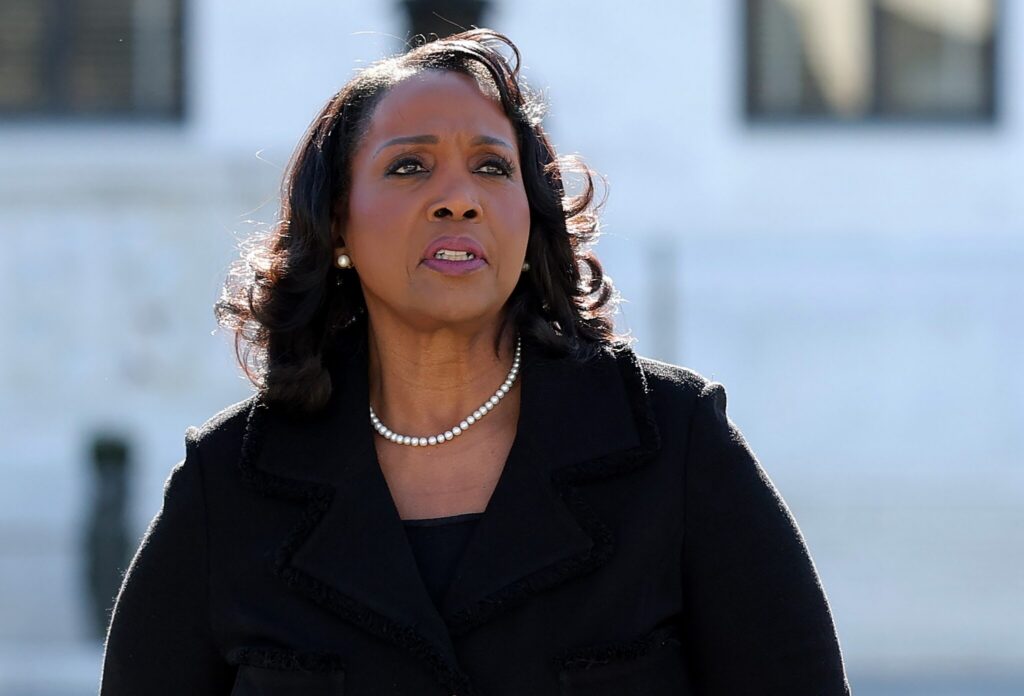
President Trump has appointed a formal committee tasked with building the case to remove Lisa Cook from the Federal Reserve Board of Governors. Cook, an economist and Michigan State University professor, was appointed to the Fed board by President Biden and confirmed by the Senate. The move renews a push that has faced significant legal and institutional obstacles, as sitting Fed governors have traditionally been protected from removal without cause — a safeguard that has historically shielded the central bank from political interference.
Why the Fed’s Independence Matters to You
The Federal Reserve sets interest rates and guides monetary policy — decisions that directly shape mortgage rates, credit card interest, business loans, and overall economic conditions for American families. The Fed’s independence from political control is not incidental; it was deliberately built into the system so that monetary policy decisions could be made based on economic data rather than electoral calculations. When that independence is perceived as threatened, it can shake public confidence in financial markets and in the institutions that underpin the economy.
Critics of the Trump administration’s effort argue that attempting to remove a confirmed Fed board member for political reasons — rather than for cause — sets a dangerous precedent. Supporters of the move contend that the president should have broader authority over executive branch appointments, including the Fed. The legal question of whether a president can remove a Fed governor without cause has not been definitively resolved by the courts, making this a matter of significant constitutional consequence.
A Pattern of Institutional Pressure
This latest development comes amid a broader pattern of tension between the Trump administration and independent federal institutions. Related reporting from Daily Montanan and States Newsroom has documented a range of clashes between the administration and established governmental norms. A federal judge recently ruled to extend temporary press access to the White House for news organizations the administration had sought to exclude — another case in which courts stepped in to check executive action. Meanwhile, Senate Democrats demanded an apology from Chuck Grassley following attacks on former Special Counsel Jack Smith at a congressional hearing.
On the economic front, American voters are already grappling with the real-world consequences of administration policy. Reporting shows that voters in midterm elections are pointing to Trump’s tariffs as a key driver of rising costs of living — a signal that economic policy decisions made in Washington are resonating deeply at kitchen tables across the country. The prospect of political influence over the Federal Reserve only heightens concerns about whether monetary policy could similarly become an instrument of political will rather than economic stewardship.
The appointment of a removal committee does not guarantee Cook’s ouster. Any formal effort to remove a Fed governor would almost certainly face immediate legal challenge, and courts would need to weigh in on the extent of presidential removal power over independent agency officials. The outcome could have lasting implications for how much independence federal regulatory and monetary bodies can maintain in the face of executive pressure.
For everyday Americans, the stakes are concrete: an independent Fed that can raise or lower interest rates without political interference is a key stabilizing force in the economy. Uncertainty about that independence can itself ripple through financial markets, affecting the cost of borrowing, the value of savings, and the broader economic environment in which families make financial decisions.
Staying informed and engaged is one of the most direct ways citizens can hold their elected officials accountable for decisions like these. You can register to vote, contact your state lawmakers, and track how your representatives vote by reviewing roll-call votes in the U.S. Senate and roll-call votes in the U.S. House.