Thanet’s Natural Heritage Faces Climate Change Challenges
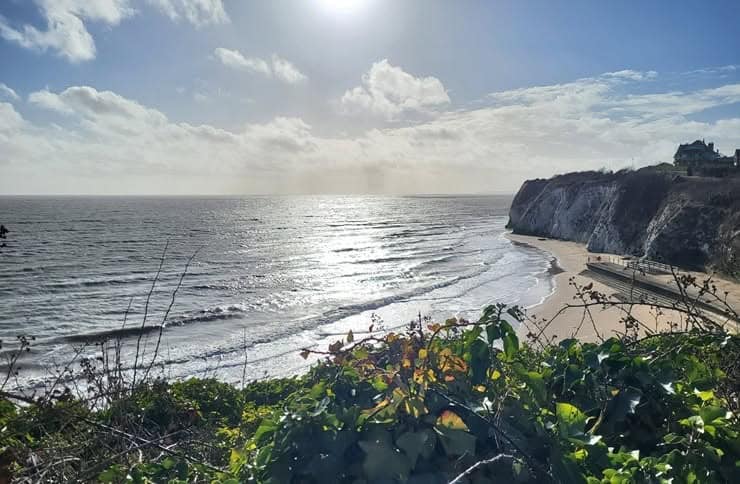
Thanet, known for its stunning sandy beaches and iconic chalk cliffs, is under threat from the impacts of climate change. As rising sea levels and extreme weather become more frequent, local authorities and conservationists are taking action to protect the district’s unique environment.
The picturesque coastline of Thanet, home to a diverse array of wildlife, is experiencing increasing pressure from environmental changes. Local organisations are now prioritizing efforts to safeguard the natural habitat and prepare for the future.
Local Initiatives to Combat Climate Change
Thanet District Council has unveiled a draft Nature Strategy aiming to preserve and restore the natural environment. This comprehensive plan outlines a vision to enhance habitats, boost biodiversity, and equip communities to adapt to climate alterations.
Cllr Rick Everitt, Leader of Thanet District Council, emphasized the importance of this initiative, stating, “Thanet’s natural environment is part of our identity, from our iconic chalk cliffs to our precious open spaces. But nature needs our help to recover.”
The strategy targets five key areas: expanding tree coverage to enhance air quality, safeguarding chalk reefs and marine life, restoring wetlands to mitigate flooding, promoting wildlife-friendly farming, and creating greener urban environments.
Preserving Biodiversity Amid Environmental Changes
Thanet’s biodiversity is heavily reliant on stable environmental conditions. With climate change threatening these ecosystems, the council’s Biodiversity Strategy highlights the need for larger, interconnected habitats to support wildlife adaptation and environmental resilience.
Practical Projects for Environmental Recovery
Efforts to implement the council’s strategy are visible through projects emphasizing biodiversity enhancement. Initiatives include tree planting, creating mini-woodlands, and restoring habitats to aid wildlife and improve air quality.
Similar goals are shared by Kent Wildlife Trust, which advocates for nature restoration as a crucial component in combating climate change. The Trust points to projects like the reintroduction of beavers at Ham Fen National Nature Reserve as examples of nature-based solutions that bolster resilience and support wildlife.
Community Involvement in Environmental Protection
Residents and businesses in Thanet are encouraged to participate in environmental conservation efforts. Suggestions for contributing include:
- Planting native species to provide habitats for local wildlife.
- Creating wildlife-friendly gardens to support pollinators.
- Opting for sustainable transportation to cut carbon emissions.
- Engaging in recycling and reusing to reduce waste.
- Conserving water during dry spells.
- Participating in local conservation and volunteering efforts.
Through collaborative efforts and community action, Thanet can protect and enhance its natural environment, ensuring its beauty and biodiversity are preserved for future generations.
Original Story at theisleofthanetnews.com