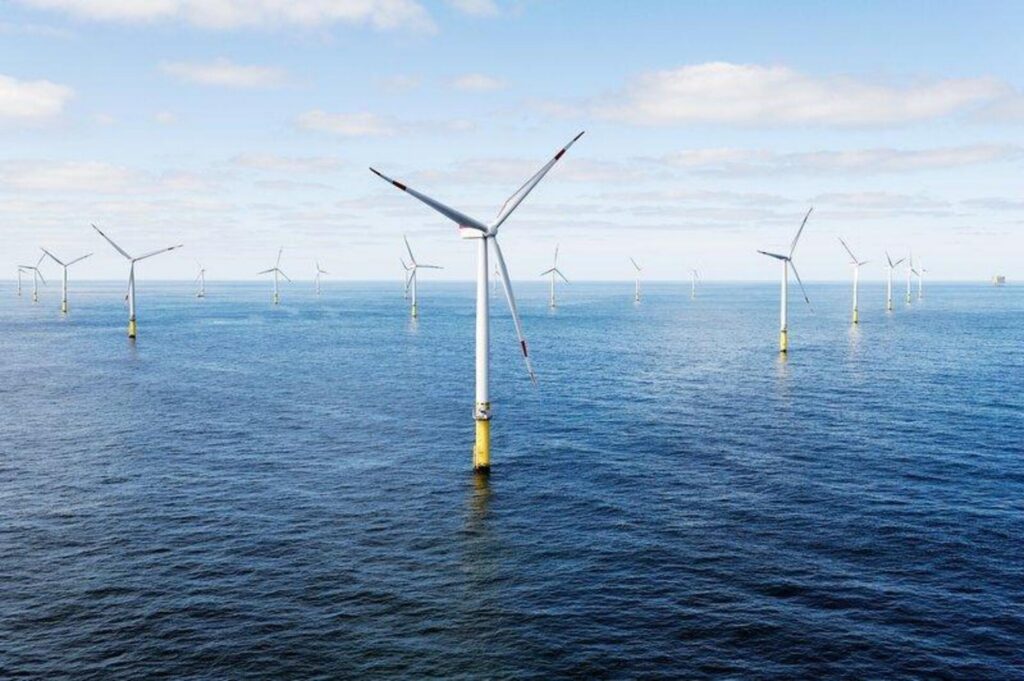
Building a sustainable future isn’t just about resource consumption; it’s about innovating for tomorrow. Infrastructure plays a pivotal role in this transformation by minimizing environmental impact while integrating technology with natural ecosystems to meet the growing demands of urban and regional areas.
Sustainable infrastructure projects, ranging from public transportation to clean energy plants, demonstrate the synergy between economic growth and environmental stewardship, reshaping our planet-conscious approach to progress.
Sydney Metro Northwest
The Sydney Metro Northwest is a testament to advanced urban mobility in Australia, designed to boost Sydney’s northwestern area’s growth through a sustainable urban transit model.
This automated metro line spans from Chatswood to Cudgegong Road, featuring eight stations seamlessly blended with the urban landscape.
Developed by the Webuild Group, the project employs engineering innovations to alleviate road congestion and reduce vehicle emissions, promoting a high-capacity, environmentally friendly public transportation system.
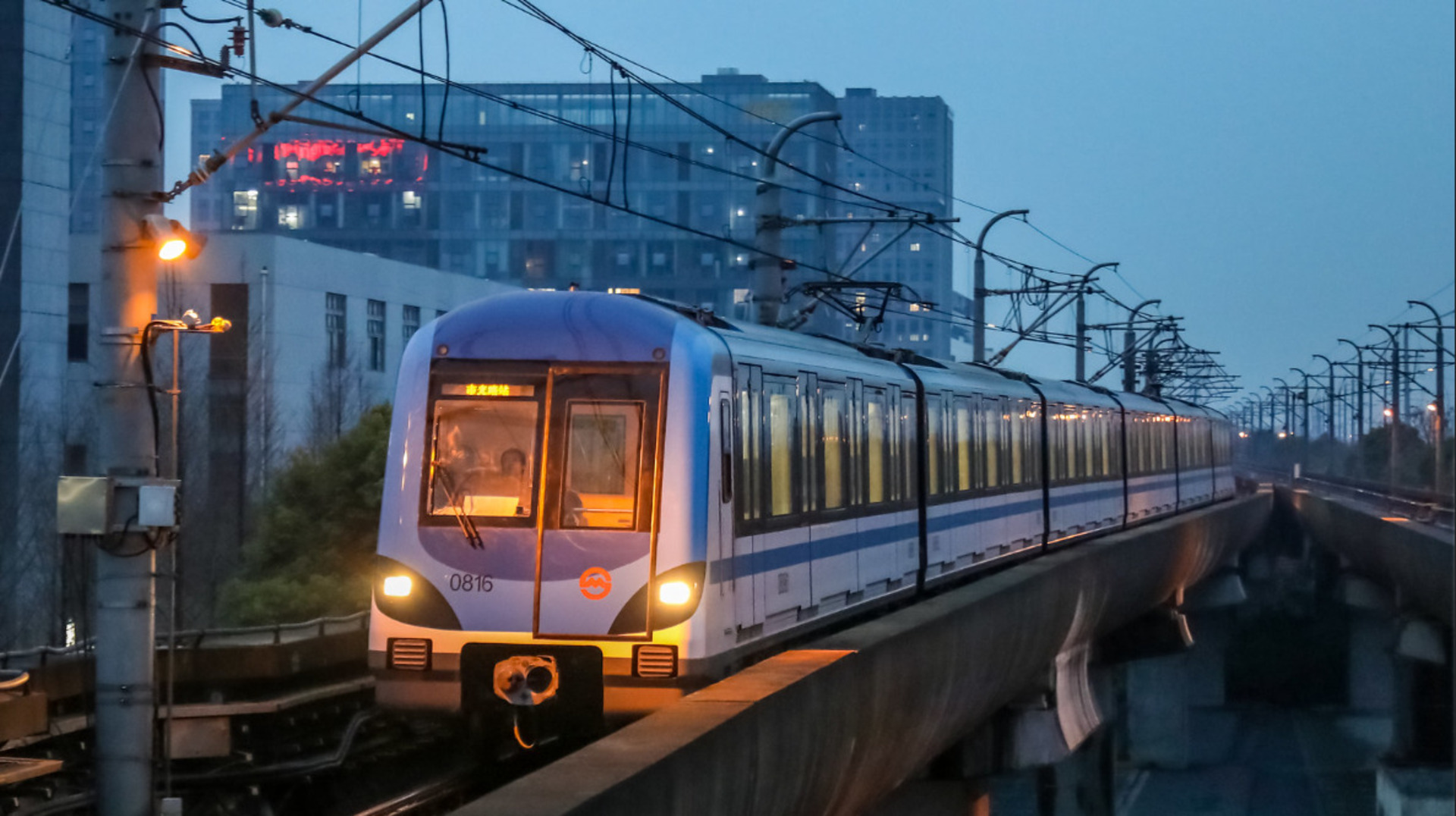
Shanghai Metro
Globally recognized for its scale and efficiency, the Shanghai Metro supports the city’s expansion while alleviating traffic congestion.
Since its inception in 1993, the network has expanded to over 800 kilometers, with numerous stations catering to millions of daily passengers.
In addition to enhancing connectivity, the Shanghai Metro significantly contributes to environmental sustainability by reducing private vehicle dependency and CO₂ emissions, fostering a low-energy, efficient urban model.
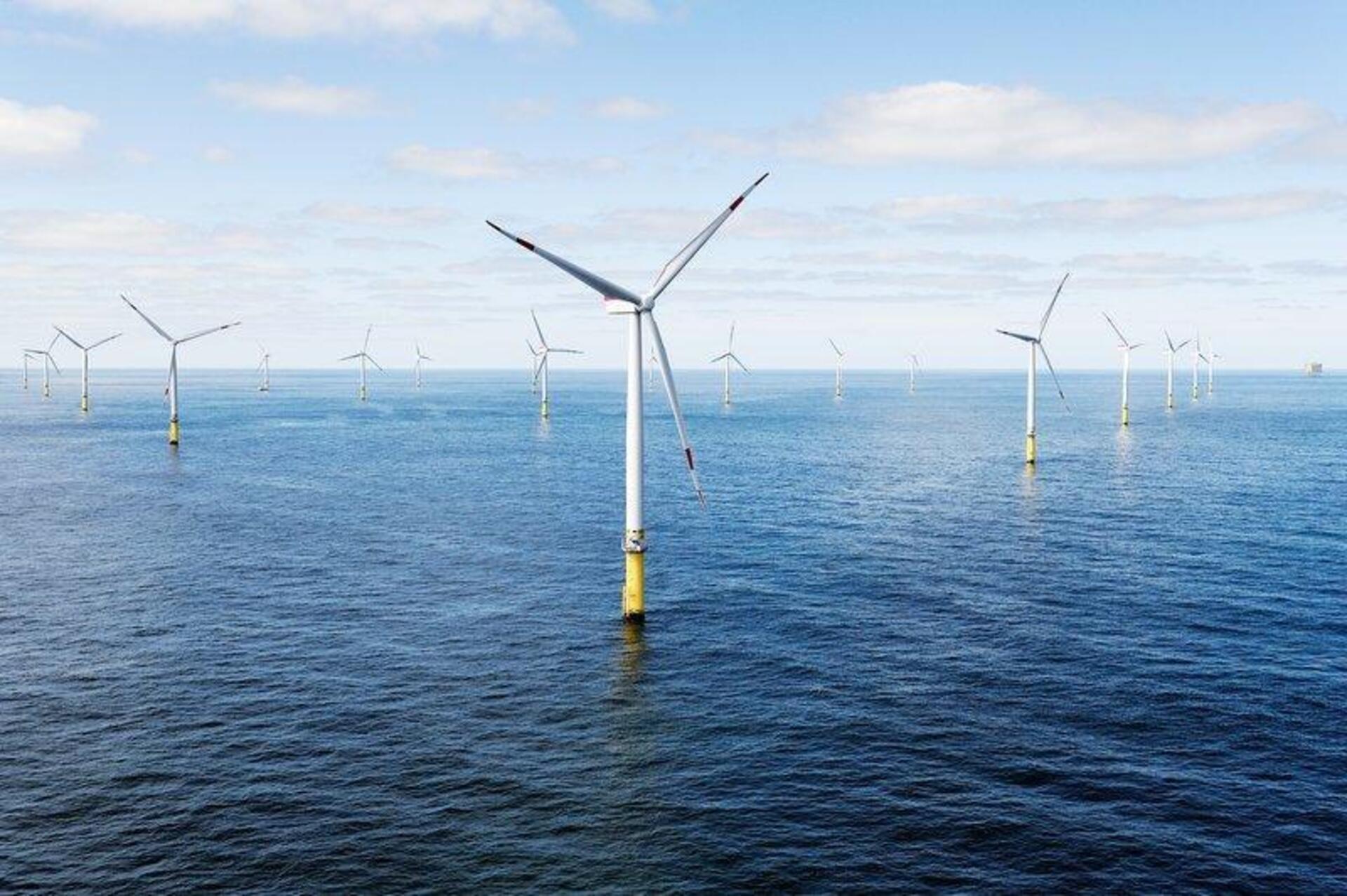
Hornsea Wind Farm
Positioned in the North Sea, the Hornsea Wind Farm is a monumental step in the UK’s shift towards renewable energy.
Comprising Hornsea 1 and Hornsea 2, the latter achieved full operational status in 2022 with a capacity of 1.3 GW across 165 turbines.
Spanning vast sea areas, these turbines can supply electricity to over 1.4 million homes, marking it as one of the leading offshore wind installations globally.
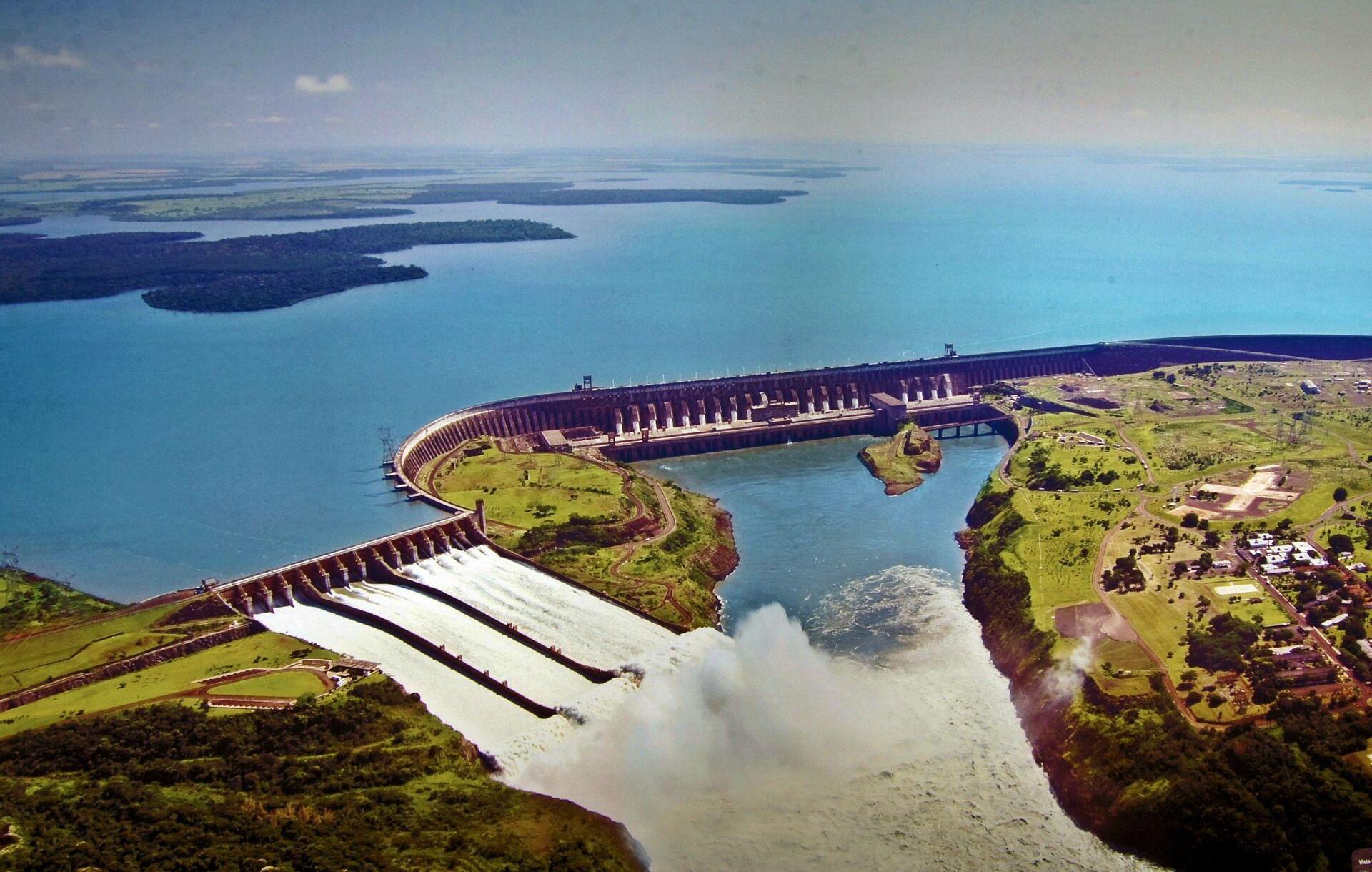
Itaipu Dam
The Itaipu Dam, straddling Brazil and Paraguay, epitomizes how infrastructure can underpin energy sustainability at both national and regional levels.
As one of the world’s largest hydroelectric plants, it harnesses the Paraná River to supply substantial electricity, significantly curbing fossil fuel reliance.
With a 14 GW capacity and annual generation surpassing 90 TWh, Itaipu plays a pivotal role in the decarbonization of energy systems.
New Eni Headquarters
The New Eni Headquarters in Milan showcases the fusion of technology, design, and natural elements in sustainable architecture.
Comprising three interconnected towers set amid abundant green spaces, the complex, by Webuild Group, has achieved LEED Gold certification for its energy efficiency.
Incorporating green buildings, rooftop gardens, and a central square, the headquarters enhances urban well-being and leverages renewable energy sources and innovative water systems to drive ecological transition.
Original Story at www.webuildvalue.com