
Rivers worldwide are experiencing significant oxygen depletion, with tropical regions bearing the brunt of this environmental challenge.
A recent publication in Science Advances reveals a global trend of declining oxygen levels in rivers, with tropical waterways at heightened risk. This study, led by Prof. Kun Shi from the Nanjing Institute of Geography and Limnology, highlights the urgent need for intervention to protect freshwater ecosystems.
Decline in Global River Oxygen Levels
Oxygen is crucial for river ecosystems, supporting aquatic life and maintaining biodiversity. The study utilized a machine-learning algorithm to analyze data from 21,439 river sections worldwide over nearly 40 years, revealing a decline in oxygen levels at a rate of -0.045 mg L-1 per decade. Alarmingly, 78.8% of the rivers studied showed signs of deoxygenation.
Challenges Facing Tropical Rivers
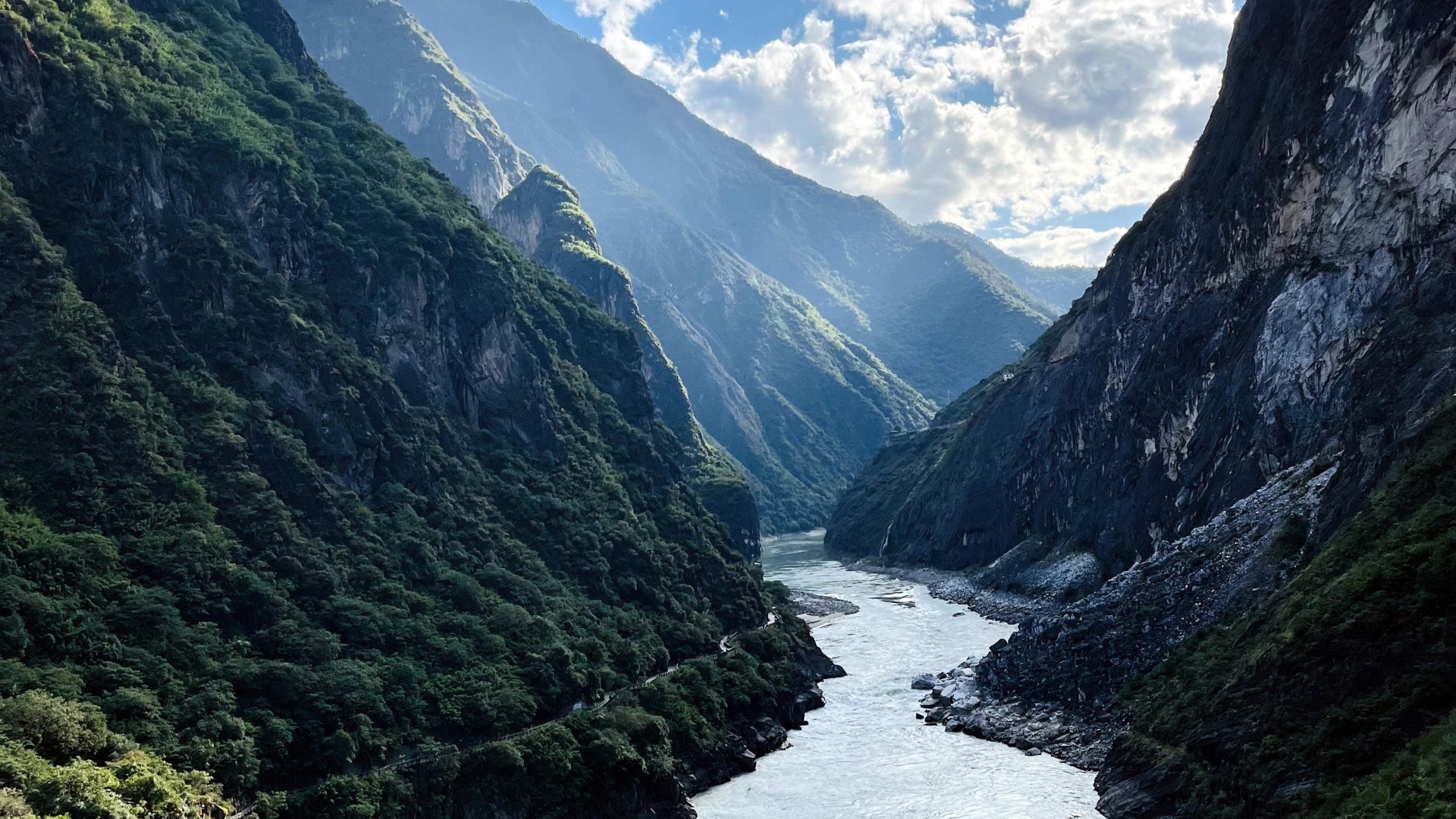
Contrary to expectations that higher latitude rivers would be most affected, the study identified tropical rivers, particularly those between 20°S and 20°N, as most susceptible to oxygen loss. These rivers often have naturally lower oxygen levels, making them more prone to hypoxia, which can be detrimental to aquatic life.
Impact of Flow Conditions and Dams
Research into river flow conditions and dam impacts showed that both low and high-flow scenarios mitigate oxygen loss relative to normal flow. Specifically, low-flow conditions reduced the deoxygenation rate by 18.6%, while high-flow conditions saw a 7.0% reduction. Dam reservoirs presented mixed outcomes: shallow reservoirs exacerbated oxygen loss, whereas deeper ones mitigated it.
Heatwaves and Climate Impact
Climate change, particularly heatwaves, plays a significant role in deoxygenation. This accounts for 22.7% of global river oxygen depletion, with heatwaves increasing the rate by 0.01 mg L-1 per decade. The study underscores the pressing need for strategies to address these climate-induced changes to protect aquatic ecosystems.
The findings provide critical insights for policymakers aiming to develop effective responses to the global challenge of river deoxygenation, particularly in tropical regions where the threat is most severe.
Never miss a breakthrough: Join the SciTechDaily newsletter.
Follow us on Google and Google News.
Original Story at scitechdaily.com