As China’s automotive landscape evolves, the shift from gasoline to electric is no longer a distant dream; it’s becoming the norm. With electric vehicles (EVs) now surpassing a 50% market penetration rate, the question arises: what lies ahead for electrification?
Electric Vehicles Take the Lead
In 2025, the penetration rate of new-energy vehicles (NEVs) in China reached an unprecedented 50%. As geopolitical tensions in the Strait of Hormuz disrupted global oil prices, the move from gasoline to electricity gained momentum. By May 2026, the penetration rate had surged to 62.9%, marking a significant shift from “one-half” to “two-thirds” of the market share.
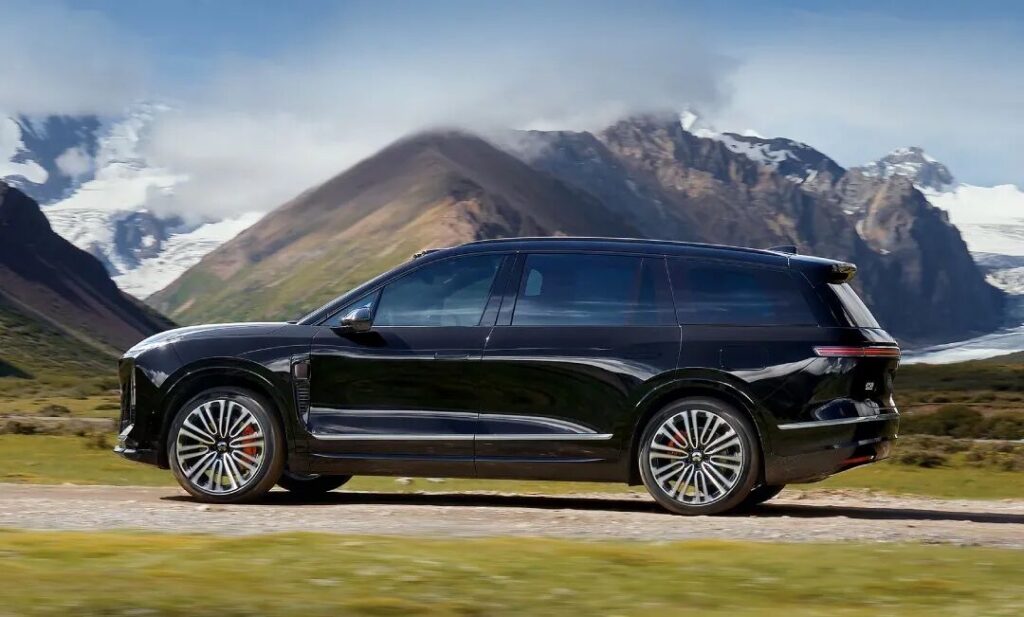
Image source: NIO
Challenges Within the NEV Market
The rapid rise in EVs has not only reduced the internal combustion market but also sparked a survival challenge within the NEV sector. Extended-range electric vehicles (EREVs) experienced a steep decline in sales, while pure electric models captured a 67% market share. Advancements in battery technology and charging infrastructure have diminished the appeal of EREVs’ dual systems.
XPENG’s launch of the GX model in May highlighted this trend, with Chairman He Xiaopeng noting that pure electric versions dominated flagship orders. Market feedback suggests a growing preference for pure electrics among NEV users.
Technology Drives the Future
Cao Guangping, a partner at Chefu Consulting, emphasized that China’s high NEV penetration is largely policy-driven, while the next phase of growth will be technology-driven. The focus now shifts to addressing range and safety concerns, with automakers and battery manufacturers collaborating on significant breakthroughs.
BYD’s second-generation Blade battery and CATL’s third-generation Qilin battery exemplify these advancements, offering improved energy density and charging capabilities. Safety remains a priority, with robust testing ensuring industry standards are not just met but exceeded.
Charging Innovations Transform Consumer Experience
Charging technology is advancing rapidly, making “charging as fast as refueling” a reality. BYD’s flash-charging technology supports a charging rate up to 10C, allowing a full charge in just nine minutes. The company plans to build 20,000 flash-charging stations across China by the end of 2026, in collaboration with Sinopec’s extensive network.

Image source: BYD
Emerging Battery Technologies
As the EV market diversifies, various battery technologies are finding their niches. Lithium iron phosphate batteries dominate the mass market, while sodium-ion batteries serve cost-sensitive scenarios. In the premium segment, all-solid-state batteries are emerging as a strategic focus for automakers.
With the rise of Vehicle-to-Grid (V2G) technology, EVs are poised to become integral components of the energy network. This evolution requires enhanced battery life, bidirectional charging capabilities, and seamless integration with the power grid.
As the electrification journey continues, policy support and technological innovation remain crucial. The ultimate goal is a cohesive energy system where user trust is built on the pillars of battery performance, intelligence, vehicle quality, and infrastructure reliability.
Original Story at autonews.gasgoo.com