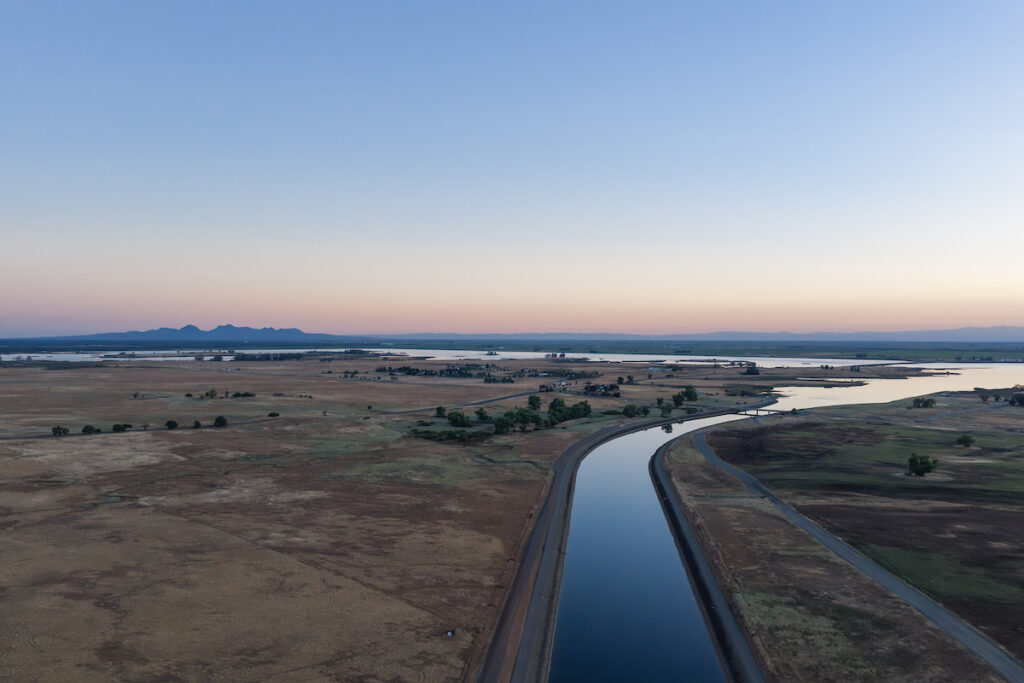
State Water Project Adjusts Operations to Balance Water Supply and Wildlife Protection
As summer approaches, significant changes are underway for the State Water Project (SWP) in California, reflecting a shift in regulatory guidelines aimed at protecting both the water supply and endangered fish species. These adjustments underscore the intricate balance between ecological preservation and resource management.
Each year, starting July 1, the regulations governing the SWP undergo a major transformation. This shift is primarily informed by scientific insights into the life cycles and migratory patterns of native fish species such as the Delta smelt, longfin smelt, steelhead, and Chinook salmon. During the summer months, these species typically migrate beyond the south Delta channels, reducing the risk of harm from SWP operations. Consequently, the SWP is authorized to accelerate the capture and movement of water compared to the February-June period when fish spawning and migration are at their peak.
To accommodate these regulatory changes, the California Department of Water Resources (DWR), which manages the SWP, began increasing water releases from Lake Oroville, located 150 miles upstream of the Delta. This adjustment allows for a rise in pumping rates in the Delta from 1,000 cubic feet per second (cfs) on June 30 to approximately 6,500 cfs by July 5. The redirected water is either stored in the San Luis Reservoir for future use by regions such as the Santa Clara Valley, San Joaquin Valley, and other areas, or directly delivered to meet immediate needs. The SWP serves the water requirements of 27 million Californians.
On July 1, DWR also initiated the operation of a series of gates on Montezuma Slough in the western Delta. This action aims to increase the flow of freshwater into the Suisun Marsh, a vital brackish wetland that supports a diverse range of bird and fish species. Federal and state regulations mandate operating the salinity control gates for 60 days starting July 1 to create a habitat zone with salinity levels preferred by the endangered Delta smelt.
However, this operation elevates salinity in the western Delta channels outside the marsh. To counterbalance this effect, DWR plans to increase freshwater releases from Lake Oroville. By carefully managing Oroville flows and Delta pumping rates, DWR aims to maintain Delta salinity levels within the limits set by the State Water Resources Control Board, ensuring the protection of agriculture and other water uses in the area.
While the operational shift is tied to the calendar, DWR’s permits increasingly allow for adjustments based on real-time conditions. A 2025 amendment to DWR’s California Endangered Species Act permit, for instance, provided an opportunity to modify operations in response to current conditions. By monitoring fish presence in real time and adapting flow actions, the SWP enhanced water flows and environmental benefits during the winter, contributing an estimated additional 210,000 acre-feet of Delta outflow in January. This increase helped relocate fish away from high-risk pump areas, maintaining a balance between water exports and ecological protection.
This careful management resulted in a near 10-year low in the number of listed species affected at the south Delta pumping plant. The ongoing efforts by water managers to balance the needs of millions of people with the preservation of fish species and ecosystems highlight California’s commitment to adapting to a changing climate for the benefit of all.
Original Story at water.ca.gov