ANTALYA, Turkey — Amid escalating climate challenges, leaders of small island nations are calling for immediate global action at the United Nations climate talks in Turkey, emphasizing that climate change poses an existential threat to their populations.
Alix Sebastien Pillay, the vice president of Seychelles, articulated the urgency, stating, “It is time to move past the talking.” For Seychelles, a 115-island archipelago in the Indian Ocean, climate action transcends environmental concerns, becoming a matter of survival.
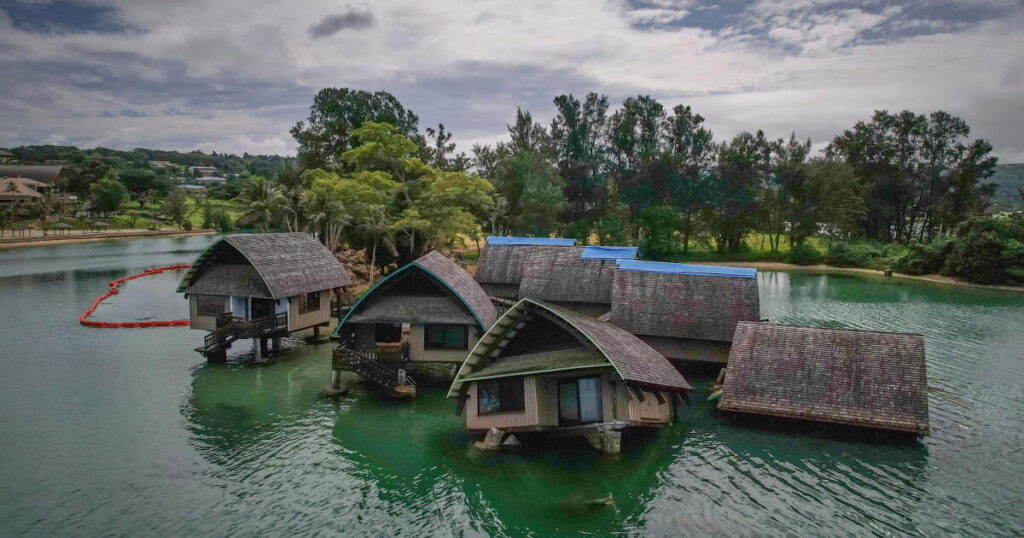
During the second day of the U.N. climate conference leaders’ summit, Pillay highlighted the dire predicament of island nations, which are disproportionately affected by climate change through increased sea levels, intensified storms, and severe droughts. Despite contributing minimally to global warming, Seychelles faces significant financial damage and stresses the need to enhance a U.N. fund designed to assist vulnerable nations.
“Climate recovery must not come at the expense of our development or push vulnerable nations further into unsustainable debt,” Pillay insisted.
Report Indicates Stagnation in Global Warming Mitigation
A recent report issued on Thursday presents a bleak evaluation of global efforts to curb climate change, indicating a stagnation in progress over the past five years. The independent Climate Action Tracker stated that while initial actions post-2015 Paris Agreement reduced warming projections by 1 degree Celsius (1.8 degrees Fahrenheit), subsequent efforts have not made further advances.
The report warns that the global community is on a trajectory toward exceeding the 1.5 degrees Celsius (2.7 degrees Fahrenheit) temperature rise limit set in the Paris Agreement. Greenhouse gas emissions from fossil fuels are the primary drivers of climate change, necessitating substantial reductions in emissions worldwide to mitigate its impacts.
Even if all current national pledges are fulfilled, which remains uncertain, the world is projected to warm by 2.6 degrees Celsius (4.7 degrees Fahrenheit) by the century’s end compared to pre-industrial levels.
Dalton Tagelagi, Prime Minister of Niue, a small Pacific Island, highlighted the repercussions of inaction, noting that the combination of climate change and an exceptionally strong El Niño this year is a forewarning.
“Sea temperatures in the central Pacific are more than three degrees above normal. It is a warning of what is coming if we do not cut emissions now,” Tagelagi emphasized.
Demands for Accountability from Major Polluters
Leaders from climate-affected nations are urging for sufficient financial resources to manage climate-induced catastrophes. The 2022 floods in Pakistan, which inundated over one-third of the country and led to thousands of deaths and over $30 billion in losses, underscore the need for financial mechanisms.
Pakistani Prime Minister Shehbaz Sharif remarked, “The future we feared, has become the present we are living. Climate change knows no borders. No nation can face it alone.”
However, the efficacy of the summit remains uncertain, as several major polluting countries are absent from the negotiations. The United States, a leading historical polluter, is notably missing due to President Trump’s withdrawal from climate negotiations, although state and local leaders from the U.S. are present to demonstrate their climate commitment.
California Governor Gavin Newsom criticized Trump, saying, “He’s a wholly owned subsidiary of Big Oil. And we have been on the receiving end of some of the most aggressive assaults on our climate leadership in a generation.”
During an event with activists, Brazilian President Luiz Inácio Lula da Silva asserted, “Nobody, no one from planet Earth, no country, no authority has more authority than Brazil when it comes to the climate, when it comes to the environmental issue.” Lula urged global leaders to invest more in initiatives to protect tropical forests.
Climate activist Greta Thunberg accused those in positions of power of negligence regarding the climate crisis, stating, “The planet is not dying, it is being killed. And we know by who. And it is being killed by the very same people often thought to come to our rescue. No one is coming to our rescue.”
UK Appoints Climate Security Risk Envoy
The United Kingdom has announced the appointment of a special envoy to address security threats posed by climate change, marking one of the first such appointments globally. Madeleine Alessandri will tackle issues highlighted in a British government report that warned of potential disruptions to food supply and increased conflict and migration due to ecosystem damage partially driven by climate change.
British Prime Minister Andy Burnham emphasized, “The climate crisis is not a distant threat. It is upon us all now, devastating lives and livelihoods everywhere.” He noted that the UK will prioritize climate resilience during its G20 presidency next year.
Despite Burnham’s declarations, climate activists like Ami McCarthy of Greenpeace UK argue that his policies do not fully match his urgent rhetoric, stating, “Burnham needs to start bridging the widening chasm between words and deeds on climate action.”
Original Story at www.latimes.com