
Robert Pancratz was taken aback. The Musselshell County commissioner lost the Republican primary for his seat by a two-to-one margin earlier this month. Mark Olson, undersheriff in Golden Valley County, defeated him by 26 percentage points.
Pancratz expressed surprise, noting, “I had no indication of such opposition.” The fiscal future of his community, including Roundup, Montana, is at stake. Roundup hosts Montana’s only longwall coal mine, operated by Signal Peak Energy, which provides jobs and significant tax revenue. The majority of its coal is exported to Asia.
Revenue could diminish if a bill by U.S. Sen. Steve Daines passes, transferring federally held coal to Signal Peak and potentially depriving Musselshell County of taxes. Pancratz fears the Crow Revenue Act could cost the county millions if enacted.
The mine’s closure threatens significant job loss and tax revenue. This election focused on Pancratz’s stance on the bill. Musselshell County’s three commissioners, including Pancratz, support keeping the mine open but worry about financial stability if the bill passes. They’ve lobbied for amendments to secure revenue from the land transfer.
Pancratz emphasized the need for a contingency plan to transition from coal. “They labeled me as an environmentalist against coal,” he said, describing the portrayal as false. Signal Peak Energy allegedly painted him and others as anti-coal, which he claims contributed to his defeat.
A recording of a commissioners’ meeting captured them discussing their concerns over the Crow Revenue Act with Daines, whom they found unresponsive.
The conversation suggested a $100 million endowment to transition from coal. Some viewers criticized this approach, arguing it gambled with the mine’s future.
Pancratz maintains the discussion was recorded without consent. He said the conversation arose after learning of no financial compensation in the bill for the county.
Signal Peak Energy did not comment. The company has faced various legal issues in the past, according to The New York Times.
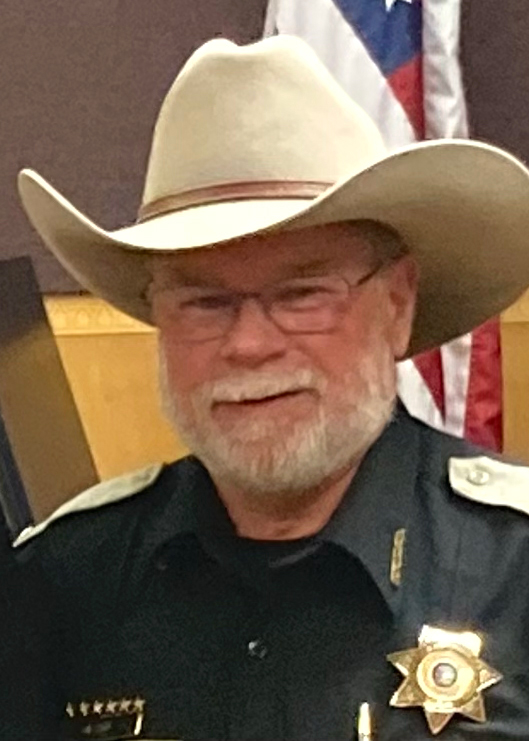
Olson joined the race citing a “lack of transparency” on spending. He believes the mine’s survival hinges on the bill’s passage and opposes amendments that could jeopardize it.
Olson said that Parker Phipps, Signal Peak Energy’s CEO, briefed him on financial ties with the county. Olson’s victory could hinder economic diversification efforts, according to Nicole Borner, a former commissioner.
She criticized the dependency on coal, arguing it prevented long-term infrastructure repair. Olson is expected to run unopposed in the general election. Pancratz aims to continue advocating for diversification, attributing his defeat to Signal Peak’s influence.
He believes the company has significant political sway, which affected the election outcome. “The county is perceived as indebted to the coal mine, but my message was the opposite,” Pancratz stated.
Original Story at insideclimatenews.org