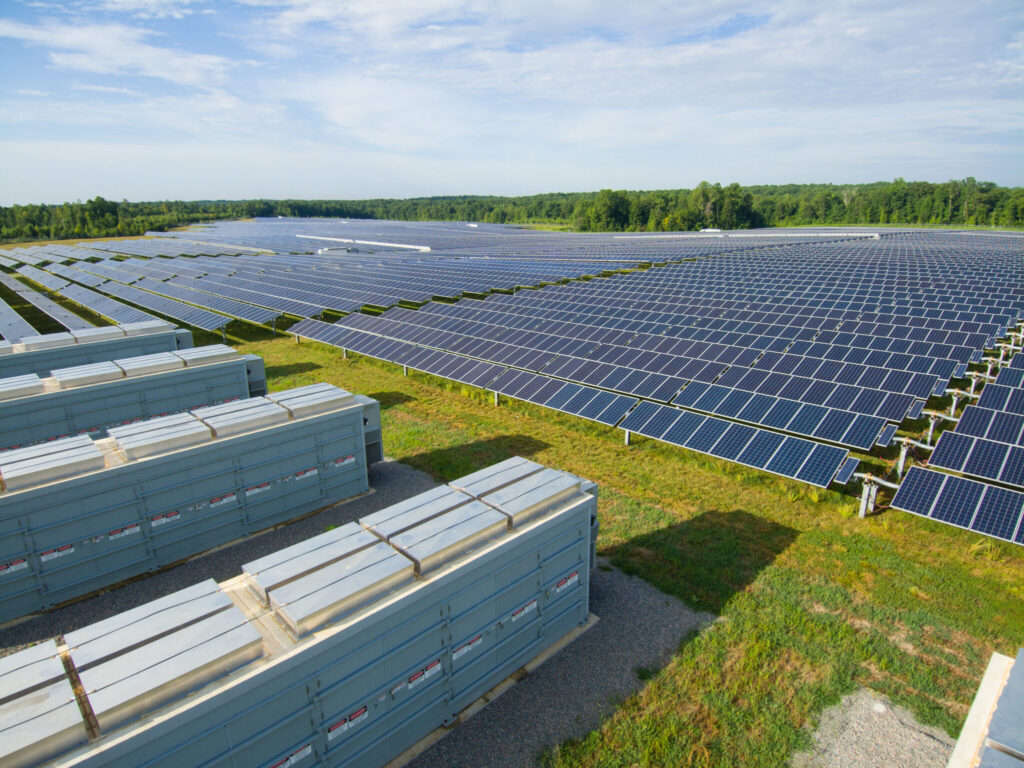
Virginia’s energy future is taking shape, and it looks like a blend of the old and the new. Dominion Energy’s latest energy roadmap charts a path that keeps fossil fuels burning while simultaneously pushing one of the most ambitious solar expansions in the state’s history.
The plan, reported by Virginia Mercury correspondent Shannon Heckt, signals that Virginia’s largest electric utility is not ready to walk away from natural gas and other conventional energy sources — even as clean energy mandates continue to pressure utilities across the country to accelerate the transition away from carbon-emitting fuels.
Fossil Fuels Remain Part of the Picture
Dominion Energy’s roadmap makes clear that the company intends to maintain a significant role for fossil fuels in its generation portfolio for the foreseeable future. While solar capacity is slated to grow substantially, natural gas plants are expected to continue operating as backbone resources — providing the kind of reliable, around-the-clock generation that wind and solar alone cannot yet guarantee.
This approach reflects a broader tension playing out across American energy markets: utilities are under pressure from state clean energy laws and federal climate goals, yet grid reliability concerns and the surging electricity demand driven by data centers and industrial growth make a rapid exit from fossil fuels complicated. Virginia, home to one of the largest concentrations of data center operations in the world, faces this tension more acutely than most states.
Lawmakers have been grappling with the consequences of that growth. Data center moratorium bills have been stacking up ahead of Virginia’s legislative session, as communities and policymakers weigh the economic benefits of the industry against the strain it places on the power grid and the environment.
Solar Expansion on the Horizon
On the clean energy side, Dominion’s roadmap does include a meaningful expansion of solar generation. The utility is planning to bring significant new solar capacity online in the coming years, part of an effort to meet the requirements of Virginia’s clean energy legislation while also satisfying the growing appetite for renewable energy among the state’s large corporate customers.
The solar buildout is being watched closely by energy analysts and environmental advocates alike. Some see it as a genuine step forward; others argue it does not go nearly far enough given the scale of the climate challenge and the pace at which other states are moving. A recent commentary in the Virginia Mercury captured that mixed reaction, with one analysis finding that Virginia’s broader energy plan both dazzles and disappoints depending on what benchmarks you use to evaluate it.
The States Newsroom network, of which the Virginia Mercury is a member, has been tracking energy and environmental policy developments across the country as states navigate their own paths through the energy transition.
Environmental Stakes in a Changing State
The debate over Dominion’s energy roadmap does not exist in a vacuum. Virginia’s environment is already showing signs of stress. The Chesapeake Bay, one of the most ecologically significant estuaries in North America, recently received a C+ in overall health, a grade that Virginia and Maryland leaders say underscores the urgency of continued environmental protection efforts.
Energy production choices — including how much coal and natural gas continue to be burned, and how quickly renewables can replace them — have direct consequences for air and water quality across the region. For communities near power plants and along the bay’s watershed, Dominion’s long-term planning decisions are not abstract policy questions. They are matters that affect health, livelihoods, and the natural world that generations of Virginians have depended on.
The roadmap will face continued scrutiny from regulators, environmental groups, and the public as Virginia works through the complex challenge of keeping the lights on while moving toward a cleaner energy future. Virginians who want to weigh in on the policies that shape these decisions can register to vote, find their polling place, or learn who represents them in the General Assembly.