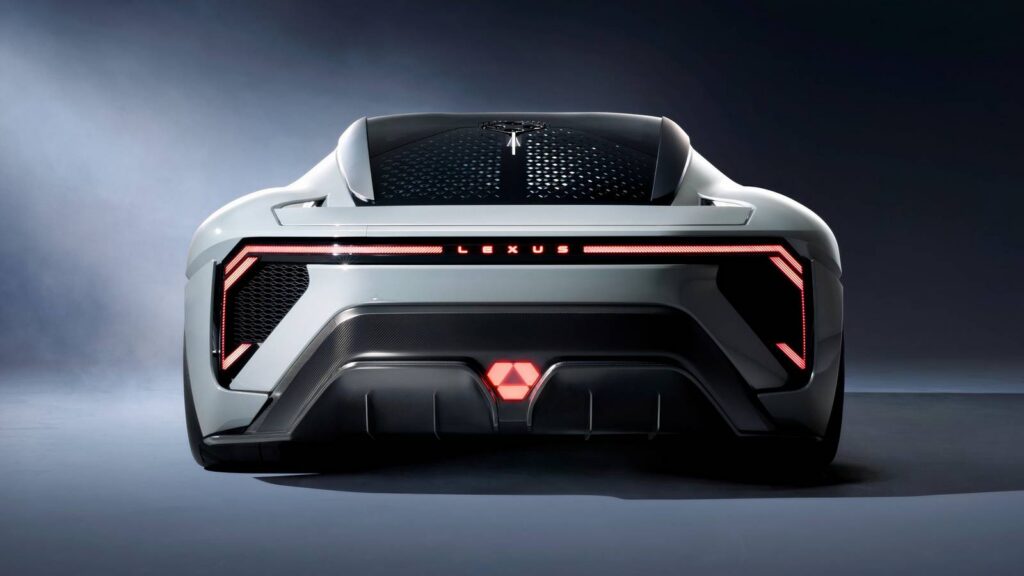
The high-performance car scene is abuzz with the anticipation of the next-generation Lexus LFA supercar, expected to make its debut in 2027. Unlike its predecessor, renowned for its V10 engine, the upcoming LFA will be an electric vehicle. While speed is a given for electric cars, Lexus might be exploring unique features to make its mark, similar to Hyundai’s approach.
A patent application recently uncovered reveals that Toyota is developing a system for simulated gearshifts in electric vehicles (EVs). This isn’t entirely new territory, as Hyundai’s Ioniq 5 N already utilizes a similar feature. However, Toyota’s version introduces elements that more closely resemble a traditional sequential manual transmission.
Innovative Driving Experiences Ahead
EVs typically don’t require multi-gear transmissions due to their instant torque capabilities. Yet, the sensation of shifting gears is a beloved aspect of driving high-performance vehicles. Hyundai’s N e-shift feature in the Ioniq 5 N simulates this with sound and feel, although some might consider it a novelty.
Toyota has been transparent about its work on a simulated shift system for EVs, initially showcasing a version with three pedals and a gated shifter. The latest patent suggests a shift in direction, possibly moving away from the traditional clutch pedal.
The patent, filed with the United States Patent and Trademark Office and found by CarBuzz, illustrates a method that alters the electric motor’s torque during gear changes. This system allows drivers to choose virtual gears, adjusting the torque to mimic the feeling of a sequential manual transmission, akin to those used in race cars.
The system could momentarily cut motor torque to zero during shifts, simulating the power interruption experienced when a clutch is disengaged. Torque would then return, potentially overshooting to recreate the clutch’s re-engagement feel. This sequence applies to both upshifts and downshifts, with variable timing and intensity to enhance the driving experience. Different profiles could be tailored for various driving modes, such as sport or race settings.
The Evolution of Toyota’s EVs
Previously, Toyota experimented with a simulated manual transmission that included a clutch pedal. Developed by Toyota’s Gazoo Racing team, the system was so authentic it could cause the vehicle to roll back on inclines or stall. The patent provides insight into why this concept hasn’t progressed.
The document mentions that a clutch could be challenging for drivers used to automatic transmissions, a common background for many EV buyers. Removing the clutch pedal allows for faster shifts, similar to a race car’s sequential gearbox, and avoids potential safety issues associated with stalling.
Lexus LFA’s Future Prospects
Lexus has indicated interest in incorporating simulated shifting in the new LFA, first hinted at in a concept shown in 2025. Paddles behind the steering wheel marked with plus and minus symbols could be used for regenerative braking or, with Toyota’s patented system, offer a more engaging driving experience.
For enthusiasts of the original LFA who might be skeptical about simulated shifts in an EV, there’s an alternative. Toyota’s GR GT supercar combines a combustion engine with a true eight-speed automatic transmission, complete with paddle shifters.
Sources: USPTO
Original Story at carbuzz.com