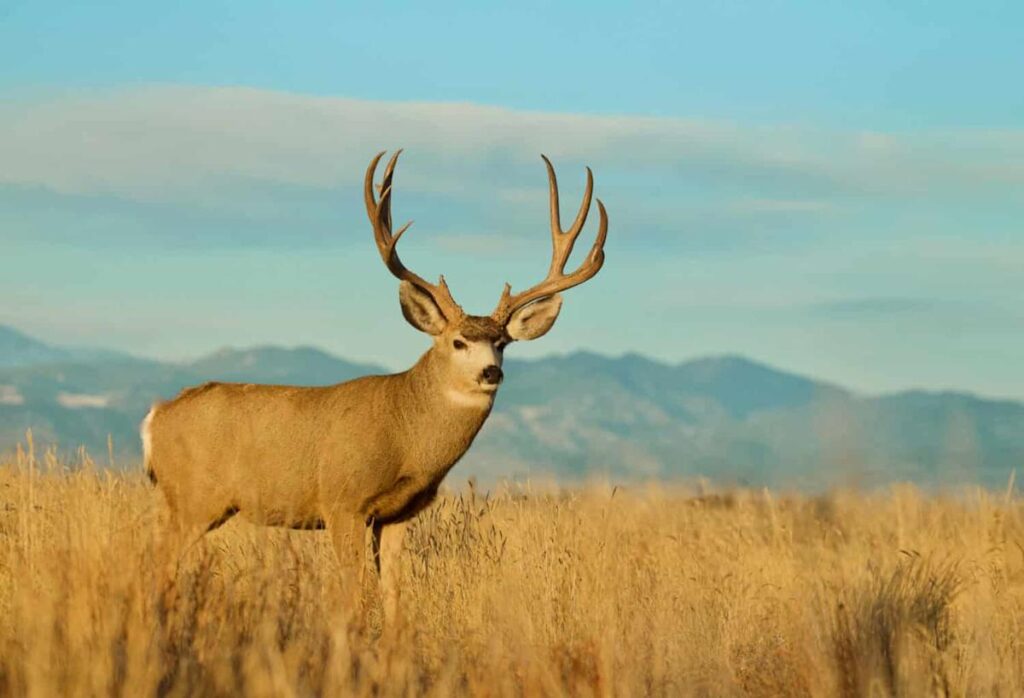
Unexpected Climate Shifts and Their Impact on Hunting Practices
In recent years, the unpredictable nature of climate change has disrupted traditional hunting practices across North America. As landscapes evolve, hunters are compelled to adjust their strategies to preserve the sustainability of this age-old tradition.
-
North American hunters face challenges due to unpredictable landscape changes.
-
Migration patterns of game species are becoming less predictable.
-
Temperature shifts affect breeding cycles, increasing mortality rates.
-
Real-time monitoring is crucial to avoid abrupt hunting season closures.
Many hunters, including families who have passed down the tradition for generations, are noticing significant changes. Traditional opening days no longer coincide with animal movements, and the once predictable weather patterns have become erratic. Animals are appearing in unexpected places at unforeseen times, indicating that climate change is a tangible reality affecting hunting practices directly.
Climate change is actively reshaping landscapes, leading to altered animal behaviors and necessitating adjustments in hunting seasons. Established patterns of animal migration and breeding are no longer reliable, impacting both hunting practices and wildlife management strategies.
From shifting seasonal migration patterns to changes in breeding periods and management challenges, climate change demands adaptive strategies from hunters and agencies alike.
Migration and Breeding Disruptions
Game species traditionally rely on environmental signals like temperature and daylight for migration. As winters become warmer and snowfall arrives later, these patterns are increasingly unpredictable. Waterfowl may not journey as far south if northern lakes and rivers remain unfrozen, while animals like elk and mule deer might delay descent from mountainous areas due to reduced snowpack.
These shifts mean that hunters might find traditional hunting grounds depleted of game, while new areas might unexpectedly see an influx. This necessitates a more agile approach to hunting, with hunters needing to be more informed and adaptable.
Challenges in Wildlife Management
The timing of breeding cycles is also affected by climate changes. Warmer autumns can delay the rut for species like white-tailed deer, while earlier springs can lead to mismatches between birth timings and food availability, increasing mortality rates among young animals.
Given that many hunting seasons are designed to avoid peak breeding periods, these changes may require wildlife agencies to reconsider season timings to ensure sustainable practices.
Additionally, climate-driven changes in vegetation and increased frequency of droughts and wildfires are reshaping wildlife habitats. Animals may need to travel further for food and water, increasing competition and vulnerability.
Wildfires, which are becoming more frequent and severe, can cause immediate habitat destruction, but they also lead to long-term changes in plant communities, affecting animal feeding and shelter patterns.
Health and Management Challenges
Warmer climates allow parasites and diseases to thrive in areas previously too cold for their survival. This, combined with the spread of diseases like chronic wasting disease, threatens wildlife populations and may lead to shortened hunting seasons or reduced tag allocations.
Long-term data and relatively stable seasonal patterns that management relies on are no longer sufficient. Wildlife managers must adapt quickly, making decisions based on immediate observations rather than historical models.
As climate change continues to alter the environment, hunting seasons will likely become more dynamic, requiring hunters and wildlife agencies to embrace new methods and technologies for effective management.
For more information on the impact of climate change on hunting, visit How Climate Change Is Making Hunting Less Predictable Than Ever on A-Z Animals.
Original Story at www.aol.com