The Birmingham darter, a recently identified species, is a resilient survivor.
This approximately two-inch fish is marked by red spots and stripes on its translucent fins. It has managed to endure a century of coal mining, steel-making, quarrying, and suburban expansion across the Appalachian foothills from Birmingham to Tuscaloosa.
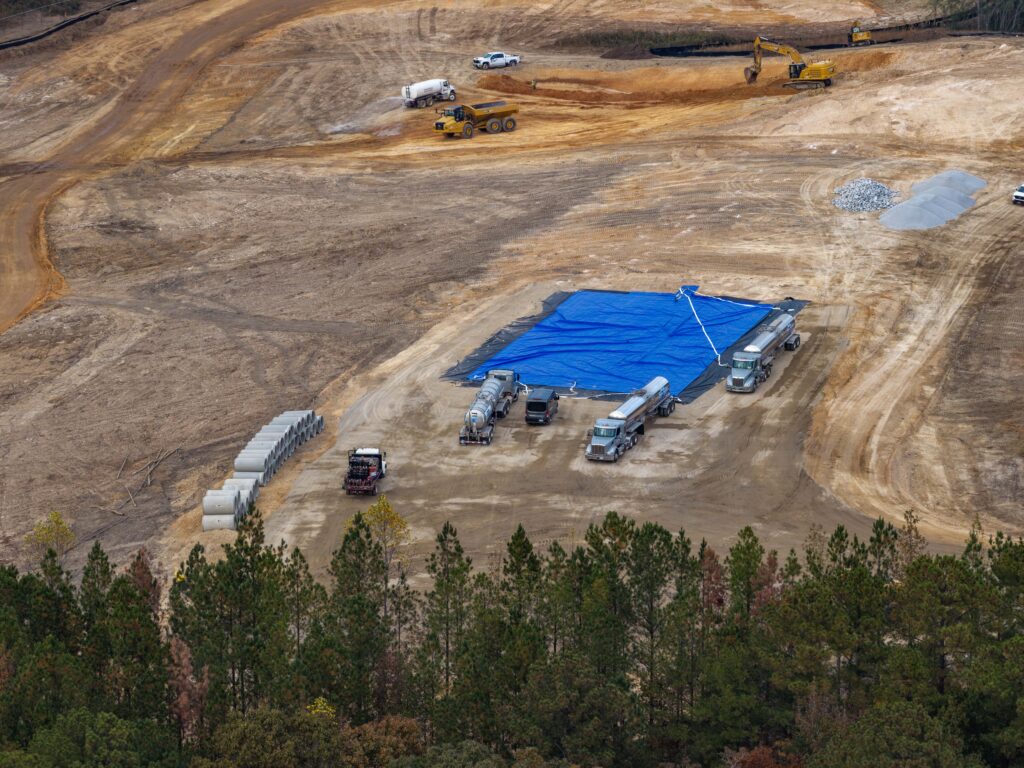
However, its survival is threatened by a proposed 4.5 million-square-foot hyperscale data center upstream from one of its six known habitats.
“They’re certainly endangered,” Charles Miller, of the Alabama Rivers Alliance, explained. “As they’re found only in Jefferson County, losing even one population could devastate the species.”
The Rivers Alliance, alongside the Center for Biological Diversity and Black Warrior Riverkeeper, asked the U.S. Fish and Wildlife Service to consider listing the species under the Endangered Species Act. This would compel the developers of the Project Marvel data center to implement measures to protect the fish.
With no action taken after nearly a year and land clearing underway, the groups are now considering legal action.
On Thursday, they issued a notice of intent to sue the Fish and Wildlife Service and the Department of the Interior if no response is received within 60 days, as required by the Endangered Species Act.
Laurel Jobe, an attorney at the Center for Biological Diversity, noted the FWS missed the 90-day deadline for an interim decision, stressing the urgency.
“Each day without protections brings the darters closer to extinction,” Jobe emphasized.
The U.S. Fish and Wildlife Service and QTS, the data center developer, did not comment.
Announced in 2025, Project Marvel encompasses 18 data center buildings over 4.5 million square feet in Bessemer, near Birmingham. Developers recently acquired an additional 900 acres, and QTS purchased the project for $432 million.
Clearing Continues for Project Marvel
Recent elections in Bessemer replaced city officials, following public discontent over the data center. Previous officials had signed non-disclosure agreements with the original developer.
In October, Bessemer Mayor Louise Alexander asked QTS to pause development pending a meeting. However, according to AL.com, QTS stated it would continue site clearing.
QTS has offered to purchase nearby homes, and subcontractors have notified residents of potential blasting, offering pre-blast inspections.
Once operational, Project Marvel will require approximately 1,200 megawatts, nearly half of the Alabama Power plant’s capacity.
Birmingham Darter’s Habitat Dwindles
The darter is surviving but faces extinction threats. It has vanished from streams feeding into Valley Creek due to urban runoff and pollution.
The Birmingham darter was once found in Fivemile Creek, east of the data center, but quarrying operations have likely eradicated it since 2006.
“Birmingham’s industrial past severely affected these streams,” Miller said, highlighting the importance of remaining darters.
The darter also faces threats from the planned Birmingham Northern Beltline highway project. Although intended for economic development, it risks further destroying habitats due to environmental concerns, with an estimated cost exceeding $6 billion.
These developments could spell disaster for the darter and other local species.
“New industries threaten our environment much like past mining,” Miller noted. “We must ensure species survive this technological era.”
Darters Are Key Part of Alabama’s Celebrated Biodiversity
Alabama is renowned for its biodiversity, hosting more freshwater aquatic species than any other state. Its habitats range from Appalachian foothills to coastal plains.
The state is home to over 300 freshwater fish species, 186 mussel species, and numerous other aquatic forms, according to The Nature Conservancy in Alabama.
Several darter species, unique to Birmingham, were identified recently, including the vermilion and watercress darters.
“Many in Jefferson County are unaware of these unique darters,” Miller commented. “These species only exist here.”
Unfortunately, Alabama leads in documented species extinctions, exceeding 100 since European settlement.
Miller emphasized that protecting even one darter population could vastly improve its survival chances.
“Any individual fish saved contributes significantly to its genetic diversity,” Miller said.
Original Story at insideclimatenews.org