
A lawsuit by Greenpeace International against U.S.-based Energy Transfer in the Netherlands is progressing after a Dutch court ruled in favor of Greenpeace, rejecting Energy Transfer’s request to dismiss the case.
This suit is linked to U.S. litigation between Energy Transfer and Greenpeace, stemming from the 2016-2017 Dakota Access Pipeline protests, which led to a substantial jury verdict against Greenpeace in North Dakota last year.
Greenpeace, contesting the verdict while pursuing claims in the Netherlands, is engaged in a legal battle with Energy Transfer on both sides of the Atlantic.
In March 2025, a North Dakota jury awarded nearly $667 million against three Greenpeace entities, including Greenpeace International, for their alleged role in the protests against the crude oil pipeline.
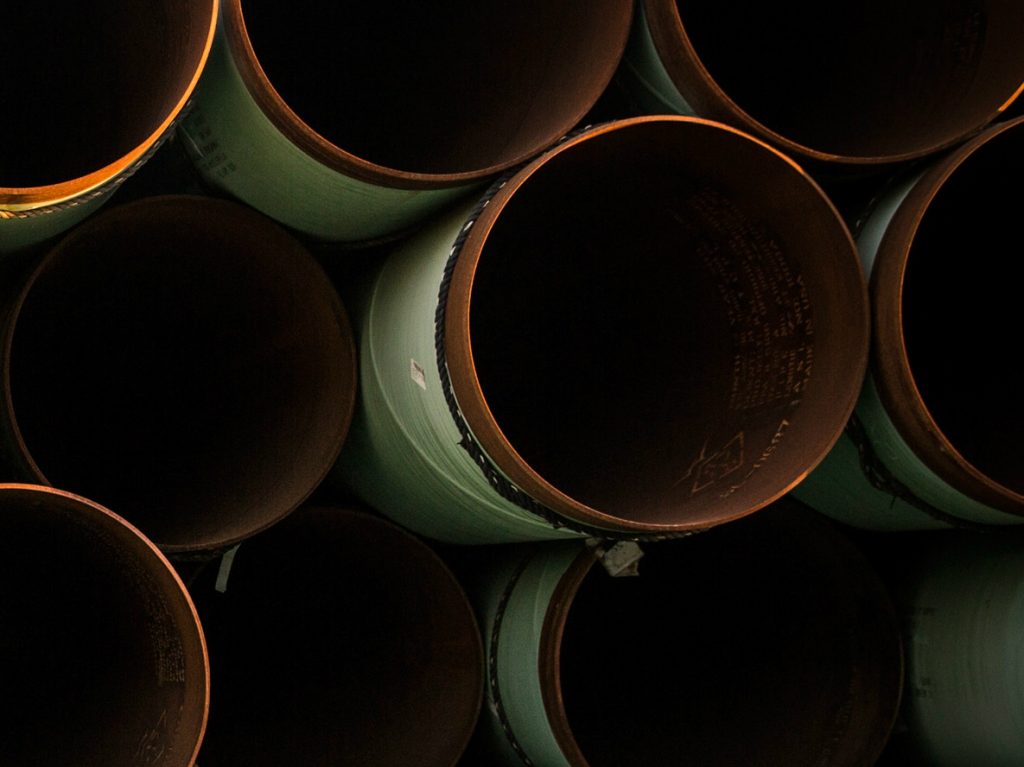
The 1,172-mile pipeline crosses near the Standing Rock Sioux reservation, affecting their primary water source, Lake Oahe. After a three-week trial, the jury found Greenpeace liable for defamation and other claims.
Energy Transfer accused Greenpeace of orchestrating the protest, while Greenpeace argued it played a minor role, supporting at the request of the Standing Rock Sioux. The protests involved civil disobedience, such as trespassing and traffic blocking.
Greenpeace criticized the verdict as an attack on free speech and vowed to fight the SLAPP case.
Greenpeace International sued Energy Transfer in the Netherlands using an EU directive against SLAPPs. The case claims Energy Transfer’s lawsuit was baseless and meant to silence dissent.
Energy Transfer’s initial federal racketeering lawsuit against Greenpeace was dismissed, but the company continued to press harassment claims under Dutch law.
The Dutch court allowed the case to proceed but found the EU anti-SLAPP directive inapplicable in the absence of national legislation. The court disagreed with the Dutch government, saying an implementing law is needed.
Energy Transfer claimed victory in the ruling, maintaining the directive doesn’t apply and questioning the court’s jurisdiction.
An anti-suit injunction requested by Energy Transfer was previously denied by North Dakota courts, which found the Dutch case raised different issues. However, the state Supreme Court recently sided with Energy Transfer, directing a limited injunction on Greenpeace’s claims.
The Dutch case continues, with Energy Transfer having six weeks to file its defense. It’s considered the first case where a SLAPP victim sues for damages, potentially setting a precedent against such lawsuits.
Original Story at insideclimatenews.org