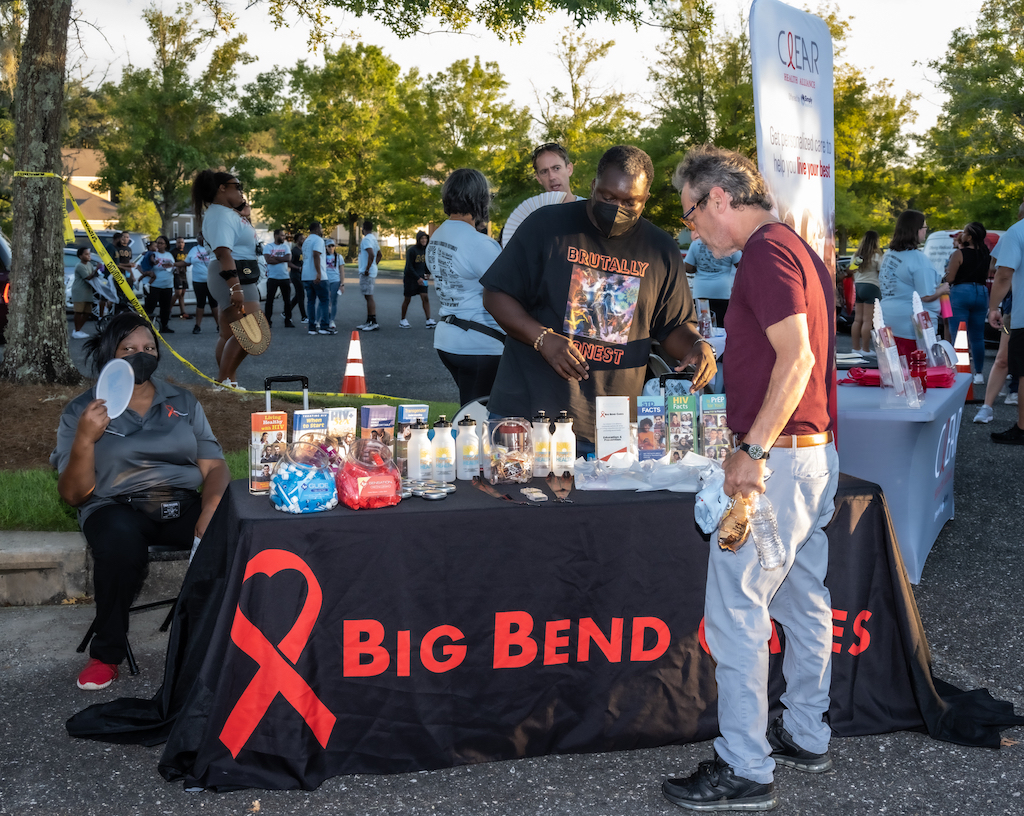
For years, community organizations on the front lines of HIV prevention have built trust with the populations most at risk — and that trust has translated into results. Now, a shift in how federal dollars flow is putting that work in jeopardy, as funding once directed to local groups is being rerouted through state governments.
The federal government has redirected HIV-prevention funding away from community-based organizations, channeling those dollars instead through state health agencies. The move has triggered alarm among public health advocates who say the change could disrupt prevention services that have historically reached vulnerable populations more effectively than government agencies alone.
What Changed — and Why It Matters
Community groups that received federal HIV-prevention money directly from the Centers for Disease Control and Prevention (CDC) have begun losing that funding as the agency restructures how grants are distributed. Rather than flowing to local nonprofits and outreach organizations, the money is now being directed to state health departments, which are then expected to distribute it within their borders.
Supporters of the change argue that routing dollars through states streamlines administration and gives state governments more control over how public health resources are deployed. Critics, however, contend that community organizations — particularly those serving LGBTQ+ populations, people of color, and people who inject drugs — possess relationships and cultural competency that state bureaucracies often lack.
Health policy reporters covering federal funding changes have noted that this restructuring mirrors broader efforts by the federal government to decentralize certain public health programs. Related reporting from the Daily Montanan has tracked similar federal funding shifts affecting states across the country.
Communities at Risk
HIV prevention in the United States has long depended on a patchwork of federally funded community organizations that conduct outreach, distribute testing kits, connect people to treatment, and provide harm-reduction services. These groups often operate in neighborhoods and networks that are difficult for state agencies to reach directly.
The funding redirection raises questions about whether states will prioritize the same populations and approaches that community organizations have historically served. Some states may choose to fund local groups as subgrantees, but that is not guaranteed — and advocates warn that the transition period alone could leave critical services underfunded or interrupted.
The concern is especially acute in rural states, where community organizations sometimes serve as the only accessible point of contact for people seeking HIV testing or prevention resources. Coverage of related rural health challenges, including federal money for rural emergency services, reflects how dependent many communities remain on federal dollars flowing effectively to the local level.
A Pattern of Policy Shifts
The HIV funding change is part of a broader landscape of federal health policy shifts drawing public attention. Across the country, communities have pushed back against changes to federal health programs. In Montana, for example, more than a hundred people protested new Medicaid rules at the state Capitol, reflecting widespread anxiety about access to care when policy changes at the federal level ripple down to local communities.
Environmental and health advocates have also raised concerns on other fronts, with groups in Pondera County petitioning the EPA over refinery wastewater — another example of communities organizing around public health threats when they feel federal protections are being weakened or redirected.
Reporting on the HIV funding shift was produced by Nada Hassanein, a health care reporter for Stateline focused on health inequities, and published in the Daily Montanan. Full republishing terms for this and related stories are available under the publication’s republishing guidelines.
Citizens who want to engage their elected officials on federal health funding decisions can register to vote, contact their state lawmakers, and review the voting records of their federal representatives through U.S. Senate roll-call votes and U.S. House roll-call votes.