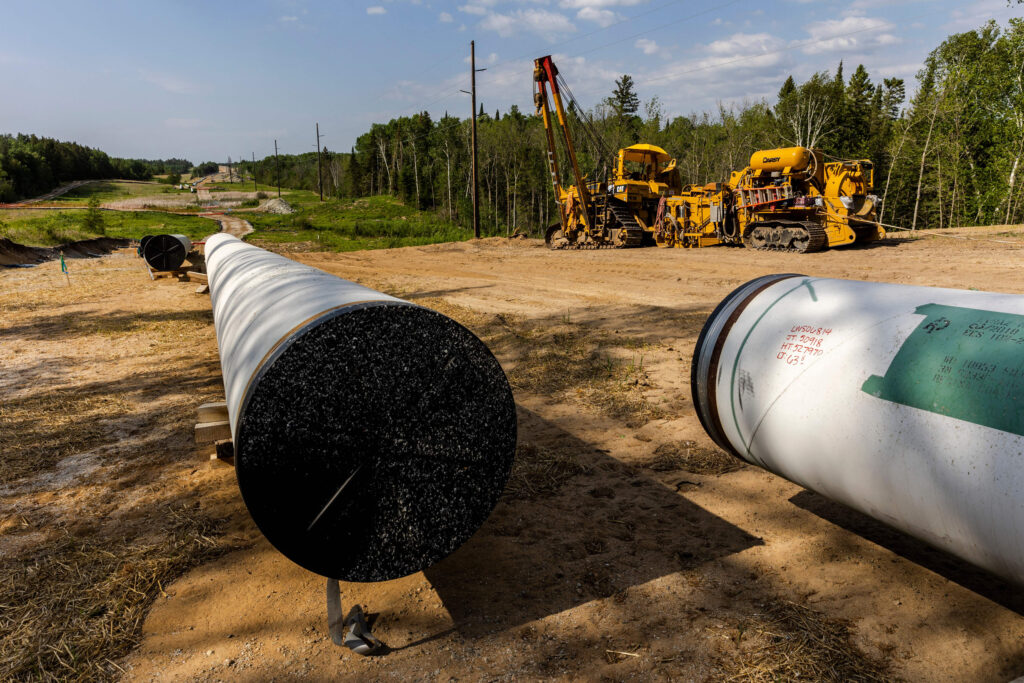
The Trump Administration has proposed a new rule intended to accelerate the permitting process for large-scale energy and infrastructure projects, such as oil and gas pipelines and facilities related to artificial intelligence.
This rule, which bypasses the need for congressional approval, introduces procedural modifications to section 401 of the Clean Water Act. This law, established in the 1970s, serves as the primary federal statute for regulating water pollution in the U.S.
Section 401 traditionally provides states and tribes with authority to approve, set conditions for, or deny federal permits for projects affecting local waterways. The Trump administration’s objective is to reduce this authority to hasten project approvals and promote energy dominance, explained Jess Kramer, EPA assistant administrator for water, during a press briefing. “This proposed rule aims to ensure states and tribes use section 401 solely to protect water quality, not as a tool to obstruct projects,” Kramer stated.
Kramer argued that section 401 currently causes unnecessary project delays, calling the process flawed. She noted that issues in implementation have led to extended certification timelines, which harm business.
The new rule proposes procedural changes to make the permitting process more efficient and predictable. It includes a standardized list of submission requirements for companies before states or tribes begin project evaluations. “When finalized, this rule will enhance transparency, efficiency, and predictability for certifying authorities and regulated communities,” said Kramer. It mandates a firm one-year limit for decision-making and forbids regulators from asking applicants to resubmit requests to extend deadlines.
However, this streamlining could also restrict states and tribes, warned Jon Devine, director of freshwater ecosystems at the Natural Resources Defense Council. “This move aims to reduce the role of state and tribal officials in assessing impacts of federally permitted projects,” he said.
The proposal limits states and tribes to examining only direct water-quality impacts from project discharges into federally protected waters, explained Nancy Stoner, a senior attorney at the Environmental Law & Policy Center. Broader water-quality effects, such as those from dams, would no longer be considered. The Supreme Court has previously ruled states can consider such impacts in certification decisions.
Stoner cautioned that the proposal could further diminish state authority over waters still covered by the Clean Water Act, a category shrinking after the Supreme Court’s 2023 Sackett decision and subsequent EPA efforts to narrow federal protection scope. Consequently, states might lose the ability to use Section 401 to safeguard smaller streams and wetlands, potentially leaving regulators unable to block harmful federally permitted projects.
Kramer asserted that the rule intends to prevent perceived misuse of Section 401 by some states to block projects for non-water quality reasons. “These changes ensure section 401 isn’t weaponized for political ends, but used to protect water quality,” she said.
Officials in Democrat-led states have used Section 401 to deny or condition permits for projects threatening local waterways. In 2017, Washington Gov. Jay Inslee and the state’s Department of Ecology rejected a water-quality certification for a proposed coal terminal in Longview, citing unavoidable environmental harm. Courts upheld the decision, effectively ending the project.
Former New York Gov. Andrew Cuomo used section 401 in 2020 to deny a natural gas pipeline permit due to potential significant water-quality harm. Current Gov. Kathy Hochul has since approved a permit for the same pipeline.
The EPA held public webinars last summer to gather feedback on the proposed changes. In these sessions, 14 speakers highlighted the Clean Water Act’s success in improving water quality, citing section 401 as crucial in protecting rivers and ecosystems, according to an EPA summary. Many expressed concerns that the new rule might weaken state and tribal authority, potentially undermining public health and environmental protection.
The agency plans to open a 30-day public comment period soon. After reviewing comments, Kramer noted the agency aims to issue a final rule by spring.
Original Story at insideclimatenews.org