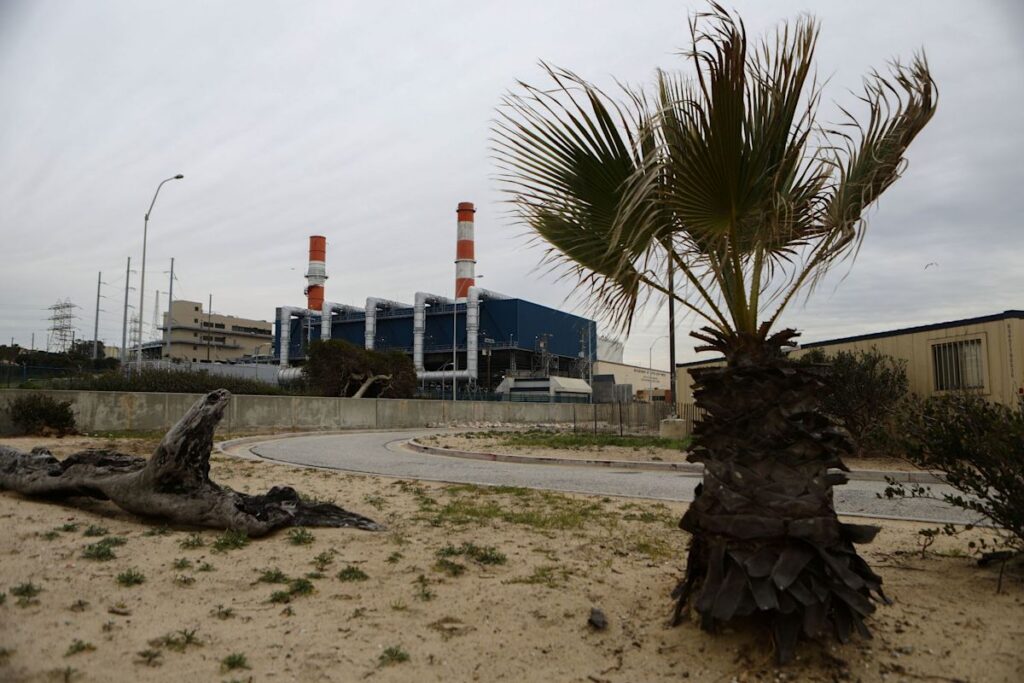
Los Angeles is at a crossroads with its largest gas-fired power facility, Scattergood Generating Station, where plans for an $800 million upgrade are being legally contested. The city’s endeavor to integrate hydrogen-capable turbines has sparked debate over the environmental benefits and financial implications of such a move.
The central issue revolves around differing views on whether the project signifies meaningful climate progress or merely prolongs reliance on fossil fuels. According to the Los Angeles Times, this disagreement has led to a lawsuit against the city and the Department of Water and Power (DWP) by a coalition of environmental organizations.
Legal Battle Unfolds
The lawsuit, filed in Los Angeles County Superior Court by groups including Communities for a Better Environment and the Sierra Club, argues that the city did not adequately evaluate the project’s environmental impact as required by the California Environmental Quality Act. The plan involves replacing two older Scattergood units with dual-fuel turbines capable of burning both natural gas and hydrogen.
Critics highlight the lack of detail in the proposal, questioning both the source of the hydrogen and the logistics of its delivery and storage. “It’s framed very much as this beneficial, clean, environmentally positive project, and from our perspective, it looks a lot more like the city is investing very close to a billion dollars to keep a methane gas plant on line,” stated Theo Caretto, a staff attorney at Communities for a Better Environment.
Echoing these concerns, the Center for Biological Diversity has also filed a separate lawsuit challenging the project.
Uncertain Future for Hydrogen
The viability of hydrogen as a climate solution is increasingly uncertain. The DWP has acknowledged in its environmental impact report that the source of “green hydrogen” for the project remains unidentified, raising fears that the facility may primarily continue to use fossil fuels.
Ethan Elkind from UC Berkeley’s Center for Law, Energy and the Environment noted the importance of transparency in the project’s hydrogen usage, especially since solar power and battery storage have become more affordable.
Environmentalists argue that postponing the adoption of cleaner, more economical alternatives imposes health and financial burdens on communities.
Efforts and Challenges
The DWP defends the project, citing the need to maintain reliable and affordable electricity supply during peak demand periods. Jason Rondou of the Los Angeles Department of Water and Power referenced a National Renewable Energy Laboratory study suggesting that noncombustion resources alone cannot replace the critical role played by Scattergood.
Rondou highlighted the city’s investment in renewable energy, with $5 billion allocated towards solar and battery projects, and the achievement of a 65% renewable energy share. However, he admitted the uncertainty of hydrogen infrastructure development, which could lead to continued reliance on natural gas if not addressed timely.
Ultimately, the decision by courts, regulators, and city officials will determine whether the proposed upgrade is a feasible transition to cleaner energy or a costly reinforcement of fossil fuel dependency. As Rondou remarked, the project’s success hinges on the hydrogen industry’s growth, stating, “The reality is that some of this does depend on hydrogen infrastructure,” and if that industry develops, “we are going to have equipment that is ready to utilize it.”
Broader Context
The Scattergood debate is part of a larger national discourse on the future of aging fossil fuel plants. Across the United States, similar controversies are playing out as communities weigh the costs of maintaining older facilities against the benefits of transitioning to cleaner energy sources.
The ongoing discussions raise critical questions about the sustainability of relying on outdated fossil fuel systems in an era where cleaner energy is becoming increasingly accessible.
Original Story at www.yahoo.com