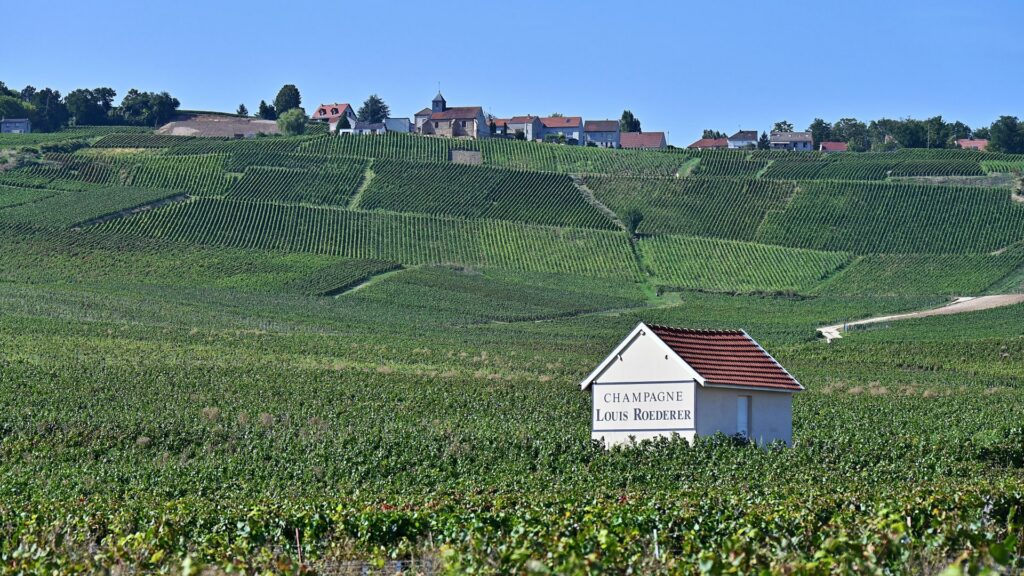
The Champagne region in France is facing unprecedented challenges as it gears up for what could be its earliest harvest on record. With extreme summer heat accelerating grape ripening, winemakers in this iconic region are bracing for lower yields and grappling with how to maintain the drink’s signature fresh taste amidst changing climatic conditions.
This year’s Champagne season officially began on August 15, with the bulk of the grape picking expected between August 20 and 25. This is about two weeks earlier than the typical start in recent years, a drastic shift from pre-2000s practices when harvesting usually occurred in September or October. The accelerated ripening process, driven by hotter springs and summers, results in fruit with higher sugar content, which shortens the window for optimal grape picking.
Winemakers face a dilemma: picking the grapes early to limit sugar levels may compromise the balance of acidity and “phenolic ripeness”—the maturity of tannins and other compounds essential for the desired flavor and texture. Linda Johnson-Bell, founder of the Wine & Climate Change Institute, explains, “With great wine grapes, you want the maturation process to be slow. This is true with most fruit.”
Adaptation Amidst Adversity
European winemakers are not only contending with earlier harvests but also with severe weather events such as droughts, spring hailstorms, and frost, which have devastated many buds. Additional challenges include declining demand for alcoholic beverages, rising labor and fuel costs, and U.S. tariffs, which impact Champagne’s largest export market.
In response, some producers are exploring various strategies, such as relocating vineyards, changing grape varieties, and installing irrigation systems. However, Champagne’s appellation rules restrict such adaptations, including a prohibition on watering mature vines. The Comité Champagne has implemented measures like using insect-proof greenhouses, testing new grape varieties, and reducing the yield quota allowed for sale this year to balance stocks and maintain quality.
Despite the hurdles, industry experts remain optimistic. Luca Solca, Bernstein’s global head of luxury goods, remarked via email that this year’s quality seems promising and could benefit from reduced inventory levels. Jean-Claude Mas, founder of Domaines Paul Mas-Coté Mas, noted an unexpectedly good harvest, attributing it to nature’s resilience. “In 30 years I’ve never seen a year like this,” he said, highlighting the regions’ adaptability to changing conditions.
Emerging Opportunities for English Winemakers
The phenomenon of earlier harvests is not confined to France. The U.K.’s burgeoning wine industry, which produced approximately 16.5 million bottles last year, is experiencing similar trends. Fergus Elias, director of wine at Balfour Winery, recalls his father’s harvests in the 1990s starting in October and ending in mid-November. Now, the timeline has significantly shifted, allowing for a longer growing season in England’s chalky soil, akin to that of northern France.
This evolving climate has piqued the interest of French producers, including Champagne house Taittinger, which has acquired land in Kent to produce English sparkling wine. Elias noted, “Climate change is talked about as something that makes English wine more sustainable, although it does come with a lot of challenges.”
Despite the challenges, stakeholders in the Champagne industry remain confident in their ability to preserve the drink’s heritage and quality. “The Champenois will do absolutely everything to safeguard that product,” Johnson-Bell asserted, emphasizing the region’s proactive approach to addressing climatic shifts. She added, “Maybe I’m romantic but I just see Champagne always surviving.”
Original Story at www.cnbc.com