The Electric Revolution: Why Switching to EVs is the Future
As you contemplate upgrading your vehicle, consider this: electric vehicles (EVs) are not just a trend; they are a technological leap forward. Whether you’re looking for a new or used car, the evidence overwhelmingly supports choosing an EV over traditional gasoline-powered options.
Electric propulsion is the driving force behind all modern railroad locomotives. In Europe and China, major rail routes and high-speed trains are fully electric. Norway leads the charge with 98% of new cars being electric, followed by Denmark at over 80%. In China, a staggering 67% of new cars sold in September 2026 were electric, and 82% of their bus fleet is now electric. This global shift highlights the superiority of electric engines over internal combustion engines. Political resistance, fueled by sizable contributions from the fossil fuel industry to former President Trump, has only temporarily slowed the adoption of EVs in some regions.
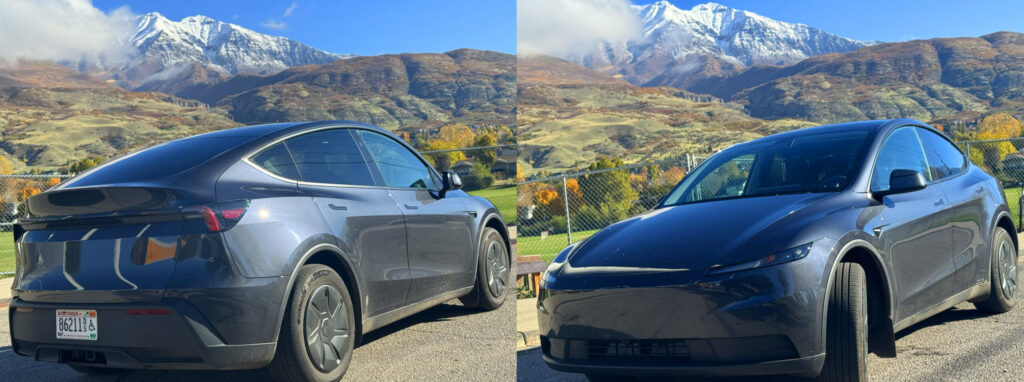
In several U.S. states such as California, Oregon, and Utah, Teslas are a common sight, signaling a growing acceptance of EVs. If you’re considering an electric vehicle, now is the time to dive into research.
While new electric cars come with a premium price tag due to the cost of batteries, used electric vehicles present a cost-effective alternative. Most pre-owned EVs have low mileage, and their batteries remain viable even beyond the warranty period of 8 years or 120,000 miles. Used EVs are readily available at numerous dealerships, often at competitive prices. Some dealers offer battery life estimates, or you can enlist the help of a seasoned EV driver to assess the battery’s condition.
For those primarily driving locally or with access to off-street parking, EVs are an ideal choice. They offer unparalleled convenience, with enough range for daily commutes and the ability to charge fully overnight at home. Plus, they eliminate the need for oil changes.
Electric cars are known for their silent operation, smooth rides, and rapid acceleration. Their electric motors are simpler than traditional engines, requiring virtually no routine maintenance. EVs lack complicated transmissions, exhaust systems, and cooling systems, significantly reducing potential repair needs. Brake wear is minimal due to regenerative braking, and the small lithium-ion batteries used in EVs can last over a decade. Notably, a Tesla may only need a cabin air filter change in the first three years, and many EVs can travel up to 500,000 miles without major repairs.
Tesla’s extensive charging network makes long-distance travel more feasible than ever. Superchargers are strategically placed every 100 miles along major highways, with most charging sessions taking about 20 minutes. This infrastructure supports cross-country EV travel, with Tesla’s network now open to most EV brands since February 28, 2023. Despite this, older Superchargers remain exclusive to Tesla, making a Tesla a favorable option for stress-free long journeys.
In conclusion, electric vehicles are not only a cleaner choice but also a practical one for many drivers. Stay tuned for more insights on the advantages of electric vehicles in the follow-up article.
Original Story at cleantechnica.com