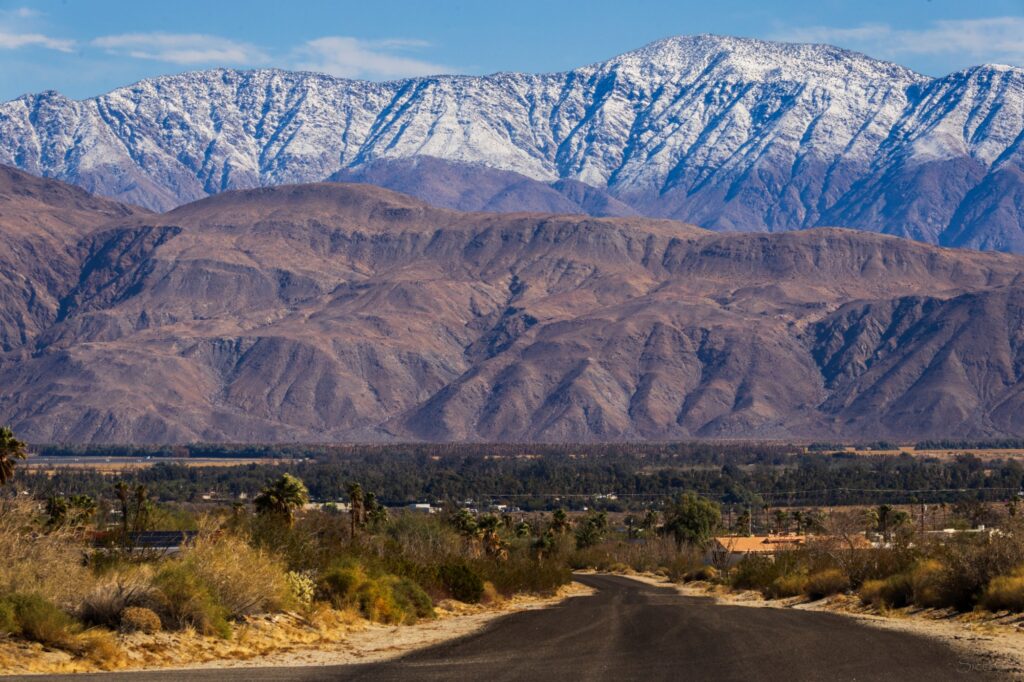
In the heart of California’s energy transition debate, a proposed high-voltage transmission line, the Golden Pacific Powerlink, has sparked a clash between environmental preservation and the push for clean energy. This ambitious project by San Diego Gas & Electric (SDG&E) aims to provide electricity from sustainable sources, yet it has also ignited concerns about its impact on untouched landscapes and wildlife habitats.
This scenario is reminiscent of the earlier Sunrise Powerlink project, also by SDG&E, which faced similar controversies before its completion in 2012. However, the Golden Pacific Powerlink introduces new dynamics, potentially influencing a high-stakes congressional race that may sway control of the House of Representatives.
A History of Opposition and Political Maneuvering
Then-Supervisor Dianne Jacob was a prominent critic of the Sunrise Powerlink, challenging the project and its supporters, including current Supervisor Jim Desmond. Desmond, who previously supported the Sunrise line, is now running for Congress in the 48th District and has made his opposition to the Golden Pacific Powerlink a pivotal element of his campaign. This district, encompassing areas where the project’s routes might pass, has become a battleground of resistance, particularly in Temecula.
The project’s preferred route crosses into Temecula, sparking fierce opposition from residents concerned about potential wildfire risks, increased insurance costs, and the visual impact of towering 200-foot structures with blinking lights. Notably, the Sunrise Powerlink was never proposed to extend this far north, adding a new layer of complexity to the debate.
Financial and Environmental Implications
The Golden Pacific Powerlink’s estimated cost of $1.62 billion will be distributed among ratepayers served by the California Independent System Operator, with SDG&E customers shouldering 9% of this expense, as reported by Rob Nikolewski of The San Diego Union-Tribune here. Although spread over time, any increase in electricity costs is likely to face scrutiny from consumers.
SDG&E’s release of alternative routes still involves passing through parts of Anza-Borrego Desert State Park, California’s largest state park, leading to continued environmental concerns. One alternative route proposes relocating the line near Palomar Mountain, likely provoking opposition there.
Political Stakes and Public Sentiment
The congressional race in the 48th District, now leaning slightly Democratic after redistricting, sees Jim Desmond facing San Diego City Councilmember Marni von Wilpert. Both candidates oppose the Golden Pacific Powerlink, citing environmental and financial concerns. Desmond has emphasized the potential threat to Anza-Borrego’s dark skies and cultural sites, while von Wilpert criticized the project for burdening San Diego County ratepayers to transport power elsewhere.
Despite their shared stance against the project, von Wilpert questions Desmond’s consistency, pointing to his past support for the Sunrise Powerlink. Meanwhile, the broader campaign context reflects nationwide trends, with Democrats attempting to challenge Republicans, including Desmond, who has been endorsed by former President Donald Trump.
SDG&E and its supporters argue that the transmission line is crucial for meeting California’s carbon reduction goals and easing pressure on the state’s power grid. However, as noted by the Los Angeles Times, the conflict underscores the challenge of balancing clean energy distribution with the preservation of California’s deserts and public lands.
As the California Public Utilities Commission, which previously deemed the original Sunrise route “environmentally unacceptable and infeasible,” prepares to make a decision on the Golden Pacific project, the debate over protecting sensitive desert areas remains as pertinent as ever. Both electricity demands and political landscapes have evolved, leaving the outcome uncertain.
What They Said
Chris Christie (@GovChristie) commented, “Donald Trump is about to become what he never, ever wanted to be: Jimmy Carter. He is being held hostage by Iran… And it was all voluntary.”
Original Story at www.sandiegouniontribune.com