Data Centers Under Scrutiny: The Complex Interplay of Energy Demand and Local Impacts
Across the U.S., data centers have come under fire as contributing factors to escalating electricity challenges in regions such as Lake Tahoe and Virginia. This narrative, however, is more complex than it seems. Are data centers truly the antagonists they are made out to be?
Changing Energy Dynamics
In Lake Tahoe, residents on the California side may soon need to switch electricity providers. Their current supplier, a Nevada-based company, is reportedly reallocating resources to meet the demands of data centers. In contrast, Virginia’s major utility, Dominion Energy, is being acquired by NextEra. This acquisition seems to appeal to shareholders eager to serve the state’s substantial data center industry, particularly in Data Center Alley.
Public Sentiment and Economic Impact
A significant portion of the public is skeptical about data centers. According to a Gallup poll, 70% of Americans are against establishing data centers in their vicinity. This sentiment is echoed by a Carnegie survey, which found a plurality of Californians believe AI data centers negatively impact local quality of life.
Local Concerns: From Wildfires to Noise Pollution
The Lake Tahoe region has seen electricity costs rise, partly due to wildfire mitigation efforts and associated expenses. Residents have experienced “public safety power shutoffs,” exacerbating frustrations. Data centers are perceived as an additional burden, contributing to the unrest.
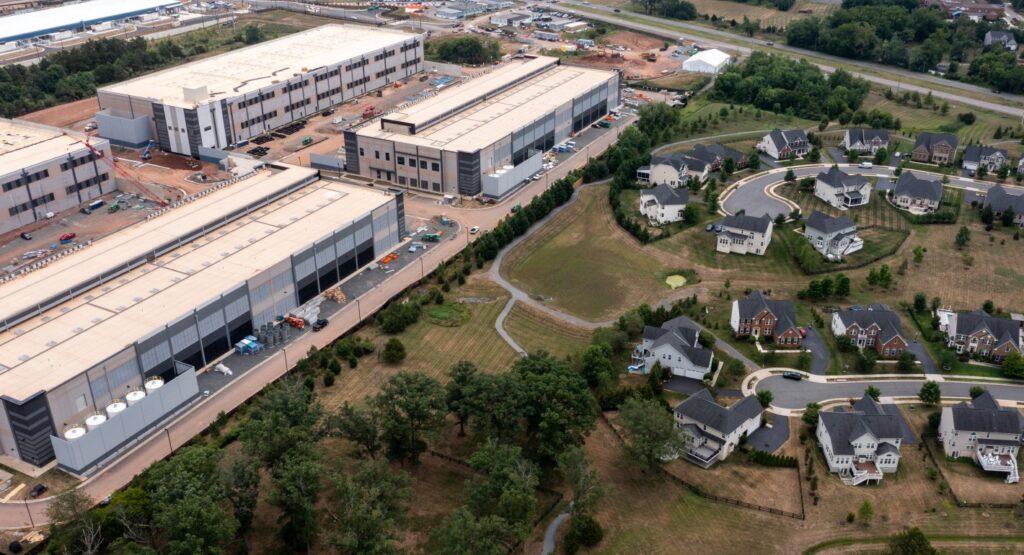
Meanwhile, in Virginia, while data centers contribute significantly to property tax revenue, they also bring challenges. Reports indicate noise pollution is a primary cause of public opposition, as noted by Jael Holzman of Heatmap News in a recent article.
Environmental Considerations
Data centers are major energy consumers, driving a surge in natural gas use in the U.S. This has raised concerns over greenhouse gas emissions and local air quality, with some projects resorting to less efficient gas turbines, as seen in the xAI project in Memphis.
Government and Corporate Responsibilities
In light of these challenges, there is growing pressure on data center operators to invest in sustainable energy solutions. Governments are beginning to require companies to contribute to energy infrastructure improvements, including clean energy initiatives and grid upgrades.
Some experts propose initiatives like the American Grid Infrastructure Fund, which would require major data center operators to fully cover the infrastructure costs their operations necessitate. This concept goes beyond vague promises backed by the White House.
The Broader Energy Transition
While nuclear energy has been discussed as a potential solution to rising electricity demands, its widespread adoption remains unlikely in the near term. Instead, enhanced geothermal energy and other innovative solutions are being explored as viable alternatives.
The ongoing debate over data centers is part of a larger narrative about the energy transition, highlighting the need for new energy strategies and community engagement in industrial development.
Original Story at carnegieendowment.org