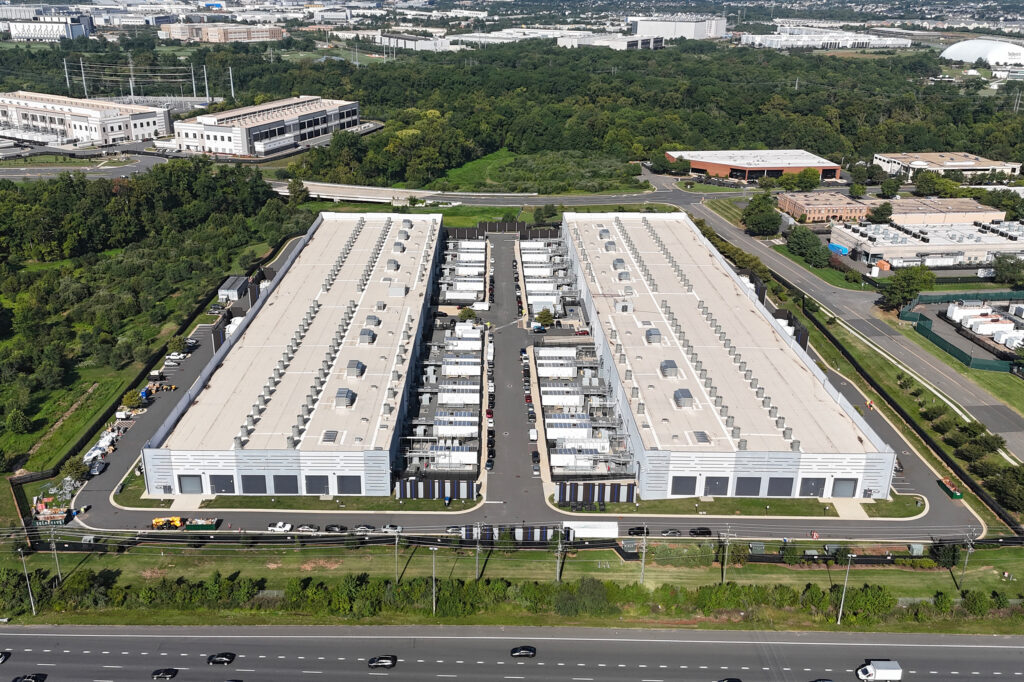
Data center developers and states are exploring small modular nuclear reactors (SMRs) as a potential solution for the growing energy demand in the U.S. due to their compact size and consistent energy output. However, experts highlight the lengthy timeline for their commercial deployment as the main challenge.
The U.S. Energy Information Administration defines SMRs as reactors generating 70 to 350 megawatts. According to the think tank Third Way, 22 SMR designs are in development, with two from NuScale Power Corporation approved by the Nuclear Regulatory Commission for U.S. deployment.
Currently, no fully deployed commercial SMRs exist in the U.S.
A 300-megawatt reactor can power hundreds of thousands of homes, though it produces less than the typical 1,000 MW of larger reactors. Brad Tietz from the Data Center Coalition noted their smaller size allows for multiple reactors to fit within data centers, facilitating future growth.
The appeal of SMRs lies in their reliability and low emissions. Patrick White from the Clean Air Task Force emphasized that nuclear energy’s firm, clean, and reliable nature makes it suitable for meeting climate goals.
Despite reassurances about nuclear waste reprocessing, new reactors will still generate waste. The preferred deployment model for SMRs is co-location with data centers, removing the need for additional infrastructure, although setup is years away, Tietz noted.
“These technologies are currently unavailable or deployable,” Tietz said. “Regulatory approvals and scaling for efficiency are multi-year processes.”
SMR costs vary by project, with the Darlington Project in Ontario providing a reference point. It estimates SMR costs at $140 per megawatt-hour for the first reactor, which is higher than wind and solar energy costs, reported by the financial advisory group Lazard.
While SMRs offer continuous energy, societal resistance faces off-grid gas turbines. A lawsuit against Elon Musk’s xAI data centers cites Clean Air Act violations due to unpermitted gas turbines.
NuScale CEO John Hopkins, in response to energy and water concerns, announced partnerships with large data centers, citing SMRs as a solution. However, nuclear experts express skepticism about NuScale’s commercial viability.
Adam Stein from the Breakthrough Institute highlighted that nuclear startups avoid failure, unlike tech companies. Edwin Lyman from the Union of Concerned Scientists criticized NuScale’s lack of tangible progress, pointing out high costs thwarting project completion.
NuScale’s halted project with Utah Associated Municipal Power Systems and a partnership with Tennessee Valley Authority showcase ongoing challenges. Patrick White noted that nuclear technologies require more time and resources compared to tech startups.
States are promoting SMR development to address energy demands, impacting consumer bills. In the Mid-Atlantic, data centers significantly contribute to demand increases, said Clara Summers from Consumers for a Better Grid.
New Jersey’s Governor Mikie Sherrill aims to meet energy needs by investing in advanced nuclear energy, including SMRs. However, Jon Gordon from Advanced Energy United doubts SMRs will impact PJM Interconnection’s near-term strategy due to limited operation.
Victor Ibarra Jr. from the Clean Air Task Force stressed the need for investment in manufacturing capacity for SMRs to influence U.S. load growth. Supply chain issues hinder commercialization and profitability.
The pressure to deploy SMRs quickly may lead to cost-cutting on safety, risking public health, Edwin Lyman warned. He remains unconvinced of SMR safety without sufficient Nuclear Regulatory Commission validation.
Original Story at insideclimatenews.org