Anko’s Strategic Expansion
Once known for its strategy of replicating popular items like Birkenstocks and Skims at a lower price point, Kmart’s Anko brand is now taking a bold step to elevate its market presence. This Wesfarmers-owned brand, part of the Kmart Group, which also includes Target, was a significant driver behind the $11.7 billion sales the group saw in the last financial year.
With an ambition to rival IKEA, Anko is venturing into furniture with its new K home store. This expansion is not limited to Australia, as six Anko-branded stores have already been launched in the Philippines, with further international growth anticipated.
A recent strategic shift involves introducing “one-up and two-up” price categories. This allows Anko to offer a basic product alongside higher-quality, higher-priced alternatives, catering to those seeking more stylish yet affordable options.
Domino’s New Business Model
Popular among budget-conscious families and teenagers, Domino’s Pizza is now shifting its focus by reducing discount offers. This move aims to improve profitability for franchisees and investors, even though a more than 11% drop in revenue was recorded from its Australian and New Zealand operations over the past year.
Despite being the fourth largest fast-food chain in Australia, following Subway, McDonald’s, and KFC, Domino’s faces challenges as it reduces discounts amid rising living costs. The company is hoping that a new partnership with Coca-Cola, replacing Pepsi, will attract customers with a refreshed drinks menu.
The Rise of Weight Loss Products
Sigma Healthcare’s Chemist Warehouse is capitalizing on the growing demand for weight loss drugs, particularly GLP-1 appetite suppressants. According to Sigma’s CEO Vikesh Ramsunder, customers purchasing these drugs, such as Ozempic, are also buying products like protein powders to mitigate muscle loss from rapid weight reduction.
Interestingly, the trend extends to beauty products, with Ramsunder noting, “It’s really about the fact that we’re selling products linked to individuals who are taking these medicines that they probably feel better, so they buy more kinds of beauty products and more healthcare-related vitamins and supplements.”
Data from Chemist Warehouse shows that the average basket size for these customers is 40% larger than those not purchasing weight loss products.
Electric Vehicle Sales Surge
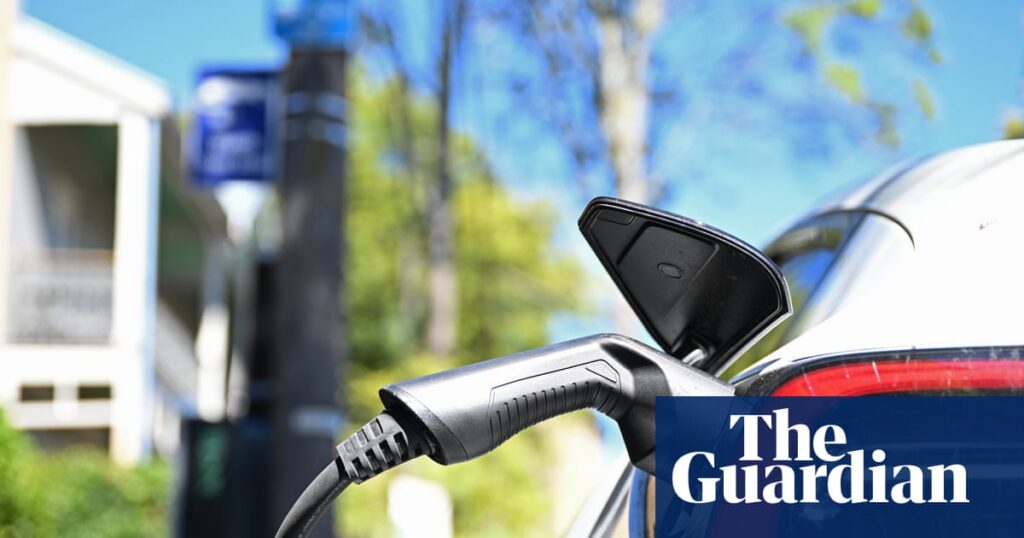
Australia’s car industry is witnessing a rapid shift towards electrification, driven by soaring petrol prices linked to the Iran conflict. Eagers Automotive, which operates the largest network of car dealerships, has seen a significant increase in electric vehicle sales.
Eagers Automotive CEO Keith Thornton remarked, “The one thing we have observed is that the transition from a fully combustion engine car to a full electric vehicle – and that transition might include a hybrid vehicle, a plug-in hybrid vehicle, and ultimately a full battery electric vehicle – is a one-way street.”
In July, nearly one in three new vehicles sold in Australia was electric, with electric and plug-in hybrid vehicles accounting for a record 32% of new car sales, according to the Electric Vehicle Council. This represents a threefold increase from the previous year.
Challenges for Australia Post
Australia Post is grappling with financial challenges, reporting a pre-tax loss of $108 million last financial year. The decline in letter sending, now at levels comparable to the 1930s, is a significant factor. Most letters today are sent by businesses and government agencies.
As the cost of maintaining a nationwide delivery network rises, letter volumes fell by 15% last year. To counteract this, Australia Post is increasing the price of a basic stamp by 15 cents to $1.85 on September 1. Stamp prices have surged from 70 cents just over a decade ago, raising questions about the future of traditional mail services.
Sign up for the Breaking News Australia email
Original Story at www.theguardian.com