Infectious diseases continue to pose a significant global health threat, claiming nearly 15 million lives annually. An alarming assessment by the Institut Pasteur reveals accelerating factors contributing to the spread of these diseases, including the expansion of mosquito-borne viruses, rising antibiotic resistance, and climate change reshaping disease transmission patterns worldwide.
The updated threat assessment, released in August 2026, highlights the Institut Pasteur’s pivotal role as a reference center for infectious disease surveillance, both in France and globally. Based in Paris, the institute collaborates with national health authorities and international organizations, providing a comprehensive analysis of both emerging and endemic disease threats.
Respiratory infections remain the leading cause of infectious disease mortality, responsible for approximately 4 million deaths each year, disproportionately affecting the young and elderly. The COVID-19 pandemic, having resulted in over 7 million deaths according to WHO, exemplifies the rapid destabilizing potential of respiratory viruses on healthcare systems and economies. Ongoing monitoring of influenza, SARS-CoV-2, and related pathogens is conducted by the Institut Pasteur’s National Reference Center, which tracks their evolution in real-time.
A Mosquito Moving North
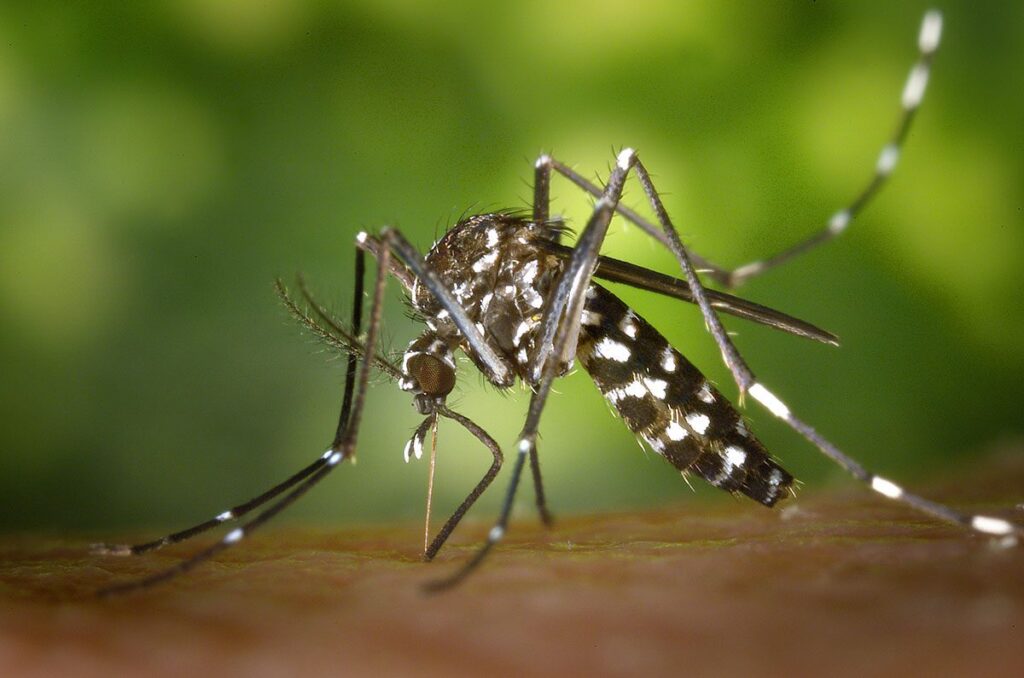
A pressing challenge in France is the northward spread of the tiger mosquito, Aedes albopictus. Since its first detection in mainland France in 2004, it has spread to nearly 80% of the country. Native to Southeast Asia, this mosquito is a known carrier of diseases such as dengue, chikungunya, Zika, and potentially West Nile and Usutu viruses.
In 2025, France witnessed over 830 cases of chikungunya or dengue contracted locally, with no travel history to tropical regions. Of the 1,073 imported chikungunya cases, 788 resulted in local transmission. Although authorities have managed to contain further outbreaks through vigilant surveillance and mosquito control, the Institut Pasteur cautions that each new case elevates the risk of these viruses establishing a foothold in France.
The Zika virus poses significant concerns due to its potential to cause severe neurological and developmental issues, especially in newborns. This adds a critical reproductive and developmental health risk to the growing mosquito threat.
Globally, climate change and globalization are fueling the spread of arboviral diseases. Rising temperatures expedite mosquito life cycles and reduce viral incubation periods, enhancing transmission efficiency. Projections from Imperial College London and WHO indicate a potential 11 to 25 percent increase in yellow fever deaths in Africa by 2050.
Drug Resistance and Disease Outbreaks
Cholera has seen a resurgence, with global fatalities exceeding 6,000 in 2024, marking a 50% increase from the previous year. Hemorrhagic fevers such as Ebola continue to threaten West and Central Africa, with potential for international spread. The Institut Pasteur remains vigilant in monitoring these diseases, along with plague, polio, and rabies.
Tuberculosis, the deadliest bacterial infection worldwide, affected over 10 million people and caused approximately 1.25 million deaths in 2023, predominantly in low- and middle-income countries. The rise of multidrug-resistant TB strains further complicates treatment efforts.
Antimicrobial resistance is a pervasive issue, cutting across all categories of infectious diseases. The WHO ranks it among the top ten global public health threats. Antibiotic resistance alone accounts for 1.3 million deaths annually, with projections estimating up to 39 million deaths by 2050. The economic impact could reach $100 trillion by mid-century due to increased mortality, prolonged hospital stays, and reduced productivity. The Institut Pasteur monitors resistant strains associated with meningitis, foodborne illnesses, and invasive fungal infections.
The extensive scope of the Institut Pasteur’s assessment underscores the intersection of climate science, microbiology, and public health policy. Addressing these challenges necessitates robust international collaboration, investment in surveillance systems, and acknowledgment of the persistent conditions fostering infectious diseases.
Sources and further reading:
Major pathogenic threats in France and worldwide — Pasteur.fr
This article was researched and sourced by Global Biodefense editors and reported with Claude AI assistance for drafting and editing.
Original Story at globalbiodefense.com