Intensifying Rainfall Poses Severe Flooding Risks Across the United States
As climate change continues to alter weather patterns, the United States faces increasingly frequent and severe rainstorms that lead to devastating flash floods. These events, experts warn, will only grow in number and intensity if proactive measures are not taken.
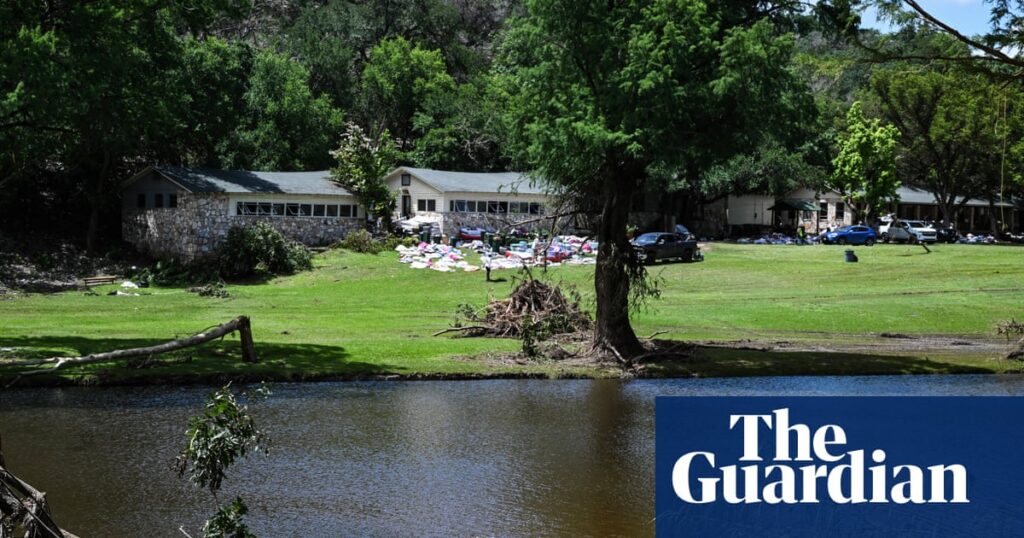
Last year’s tragic flooding at a children’s camp in central Texas served as a grim reminder of the dangers posed by extreme weather. Currently, states such as Alaska, Missouri, New Jersey, New York, Ohio, and Pennsylvania have experienced record-breaking rainfall, leading to widespread flooding.
Alice Hill from the Council on Foreign Relations highlights a significant concern: “We have basically built for a climate that no longer exists, and retrofitting our infrastructure is a slow and expensive process.” She explains that the political climate in many areas makes it difficult to prioritize investments that would accommodate increased rainfall.
Jennifer Francis, a senior scientist at the Woodwell Climate Research Center, notes that warming oceans and air enhance evaporation, increasing atmospheric water vapor that fuels storms. This situation creates a cycle where storms become more severe, leading to heightened risks of flash floods, particularly in areas with impermeable soil or dense urban development.
Many regions are ill-equipped to handle these weather extremes. Aging infrastructure, like century-old pipes still in use in some cities, exacerbates the problem. Hill points out that such systems are not designed to manage current rainfall levels.
Development in flood-prone areas continues despite the risks. Cities like Houston and New York City permit construction in vulnerable zones, as seen in central Texas, where flat lands near the Guadalupe River are prime development sites.
Jim Blackburn, an environmental law professor at Rice University, stresses the need for regulations to prevent building in floodplains, yet resistance to such measures is common. In Texas, developers have even appealed to the Federal Emergency Management Agency (FEMA) to have properties removed from floodplain maps, circumventing stricter building codes.
FEMA is now revising flood zone maps to reflect recent increases in rainfall, addressing concerns about property safety and emergency access. However, real estate developers worry that the new maps might impact property values and increase liabilities.
Efforts to adapt to climate change face political hurdles. For instance, the Trump administration attempted to cut funding for the Building Resilient Infrastructure and Communities program, which was later reinstated by court order. Meanwhile, cities are exploring innovative solutions like the “sponge city” concept to manage excess water.
Amid these challenges, states like Texas and Missouri have declared emergency orders due to heavy rains. Notable incidents include the rescue of over 200 campers in Missouri and recent fatalities reported by Texas Governor Greg Abbott during the ongoing floods.
Original Story at www.theguardian.com