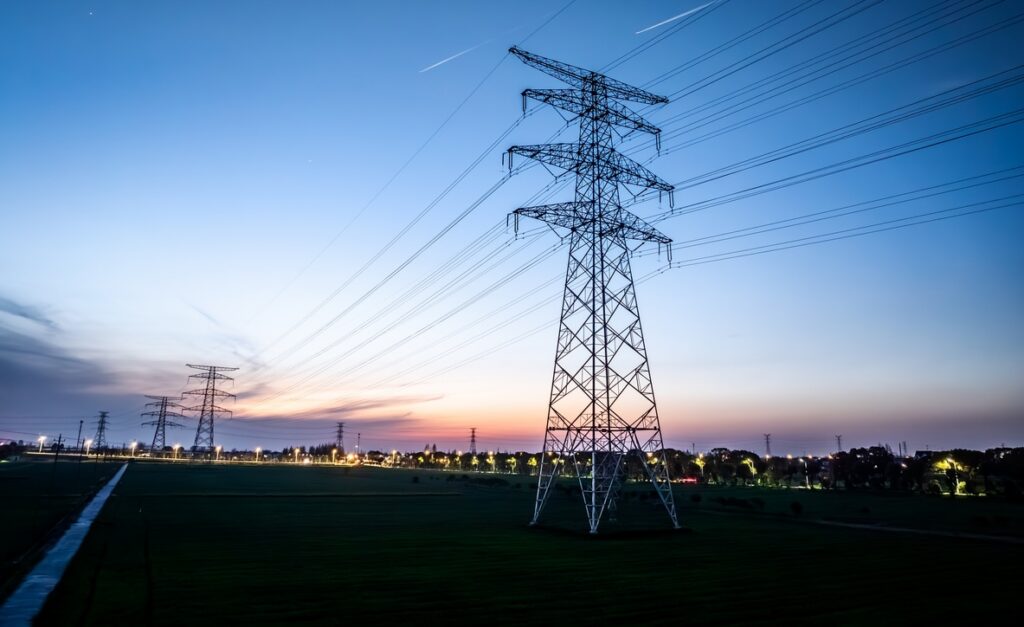
Rising Electricity Demand and the Grid’s Response
Balancing electricity supply with demand is crucial to avoid blackouts that can be both inconvenient and hazardous. However, addressing this balance isn’t as straightforward as simply adding more power plants, especially within the complex regulatory frameworks of mature energy markets like the United States.
The U.S. power system is overseen by numerous regional and national regulatory bodies that ensure its reliability and financial stability. Within this framework, electric utilities regularly develop plans to predict future electricity needs and to strategize on expanding power plants, maintaining infrastructure, and upgrading the network of transmission and distribution systems.
Enhancing the grid and integrating new technologies can lead to reduced electricity bills, fewer blackouts during extreme weather events, and quicker connections for new homes and businesses to the power network.
Increasing Electricity Demand
The demand for electricity is on the rise. With the increasing electrification of homes and businesses — from electric vehicles to high-efficiency heat pumps — and the connection of major electricity users like data centers, electricity demand has been climbing. After a decade of stagnation, U.S. electricity demand is growing, with generation increasing by 2.8% from 2024 to 2025 to reach 4,430 TWh, according to the U.S. Energy Information Administration (EIA). The EIA forecasts a continued increase in electricity consumption, averaging 1.7% per year, with the commercial and industrial sectors leading at 2.6% and 2.1%, respectively.
Notably, large loads are responsible for 80% of the projected increase in U.S. electricity demand. The U.S. Department of Energy has tasked the Federal Energy Regulatory Commission with expediting large load interconnections to ensure the grid can meet anticipated demand.
Cost Advantages of Clean Energy
Clean energy is gaining a cost advantage. In many markets, solar, wind, and battery projects are now more cost-effective than coal, gas, hydro, or nuclear options, making clean energy the preferred choice for new electricity sources. Despite political obstacles, utility-scale clean energy projects are still being implemented across the United States and even more rapidly worldwide.
With gas turbines on backorder and volatile oil and gas prices, the decreasing costs of solar, wind, and batteries make renewables more competitive. In 2025, clean energy accounted for most of the new capacity added to the U.S. grid, continuing a trend that has lasted over a decade, as noted by the International Energy Agency.
Challenges in Connecting New Resources
Connecting new resources remains a challenge. Although many renewable projects are planned for 2026, the challenge lies in connecting them to the transmission network. Currently, over 2,200 GW of additional capacity is awaiting connection to the grid, stuck in the interconnection queue.
Modernizing the interconnection process can improve energy security and support economic growth by making it faster and more transparent.
Strategies to Prevent Gridlock
Preventing gridlock requires more than just changes in generation and transmission. Consumers can also contribute to a more reliable grid.
Storing more electricity. Batteries are increasingly used to stabilize electricity production by storing renewable energy for use when needed. With over 40 GW added in the last five years, grid-scale batteries help manage demand spikes.
Using existing resources efficiently. Electric vehicles and home solar systems can support the grid through virtual power plants (VPPs). Properly included in planning, VPPs can quickly and cost-effectively enhance grid reliability.
Flexibility in demand. Shifting electricity use to times of abundance, such as midday for solar energy, can balance supply and demand. Demand response programs incentivize users to adjust consumption, reducing grid strain.
Reducing energy waste. Efficiency can offset the need for new plants. Investing in advanced building designs can significantly cut energy usage, as demonstrated by Amory Lovins’ energy-efficient home.
Producing your own energy. As solar and battery costs fall, generating and storing energy on-site becomes attractive, offering benefits like flexible rates and reduced dependence on the grid.
Smarter grid technology. While new transmission lines are essential, grid-enhancing technologies (GETs) can increase existing line capacity safely and efficiently, addressing demand growth while awaiting larger infrastructure upgrades.
What Comes Next?
The electricity system is transforming, with rising demand and innovative solutions redefining customer roles in electricity management. To ensure reliable and affordable electricity, grid planning must evolve with faster interconnections, improved transmission planning, increased use of distributed energy resources, and flexible demand management.
Original Story at rmi.org