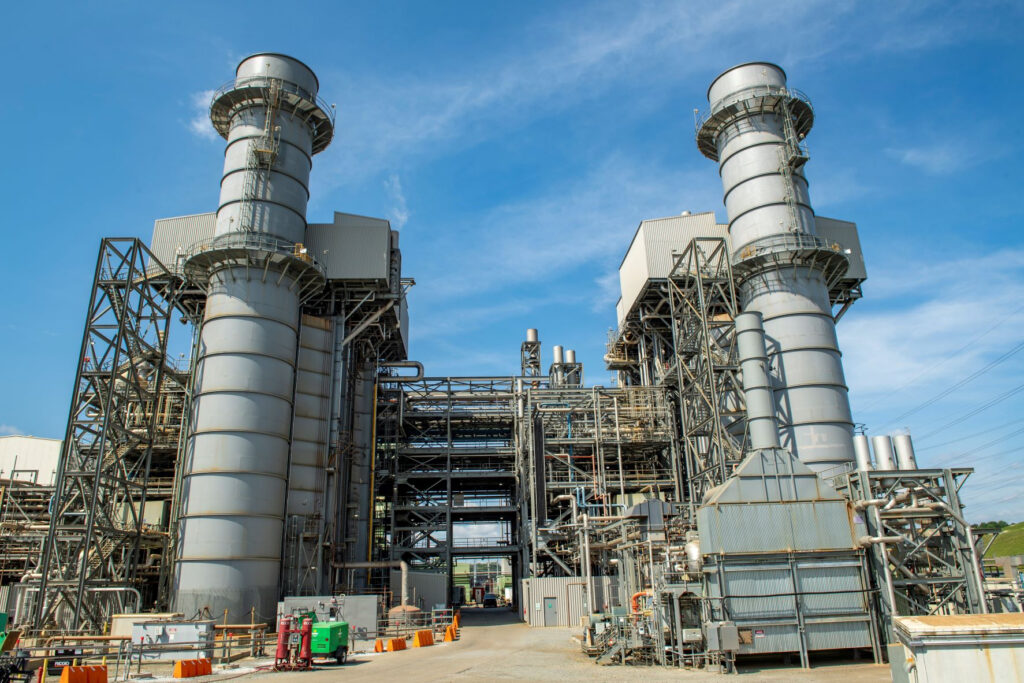
The expansion of data centers and electrification is pushing Georgia Power to significantly increase its electric grid capacity. The state’s largest utility plans to add 2,000 to 6,000 megawatts by 2032 and 2033, using a mix of natural gas and battery storage.
The role of each resource in this expansion depends on Effective Load Carrying Capability (ELCC), a vital concept for assessing renewable energy, as highlighted by the Union of Concerned Scientists. Georgia Power’s use of ELCC in planning is attracting scrutiny from renewable energy advocates.
Previously, determining the capacity a new project added was simple, based on peak demand projections. However, with solar and wind being variable, grid expansion planning has grown complex. ELCC measures how much capacity a resource reliably contributes. Natural gas has an ELCC of 60 to 80 percent, while renewables without batteries range from 4 to 40 percent. Adding batteries can boost renewables’ ELCC to around 95 percent, but this decreases as more batteries are integrated.
Georgia Power’s previous calculations assigned batteries a 95 percent ELCC for the first 3,000 megawatts, dropping to 75 percent for the next 3,000, and 50 percent for the subsequent 3,000 megawatts. As more batteries enter the grid, competition during peak demand reduces their value.
Bob Sherrier, from the Southern Environmental Law Center and Advanced Power Alliance, highlighted Georgia Power’s new ELCC of 20 percent for battery storage. This means a 1,000-megawatt battery project would count as 200 megawatts, while a natural gas plant with 80 percent ELCC counts as 800 megawatts. Georgia Power asserts its calculations are consistent but has not provided detailed methodologies.
The substantial ELCC decline could disadvantage battery storage in Georgia Power’s 2,000 to 6,000 megawatt expansion plan. Lower ELCC forces developers to build more capacity to match natural gas projects.
Sherrier criticized this as favoring gas over batteries, stating that batteries appear less cost-effective. Despite cost increases when pairing solar with batteries, it remains competitive with natural gas.
For its 2029-2031 expansion, Georgia Power planned nearly 10,000 megawatts, with 6,000 megawatts from natural gas, and the rest from solar and battery projects. Operating 6,000 megawatts of natural gas full-year could produce 20 million metric tons of CO2, equating to emissions from 4 million cars.
In the 2032-2033 procurement, Sherrier anticipates Georgia Power may opt for predominantly natural gas, potentially increasing annual emissions. The utility is currently reviewing proposals, but discussions with regulators are expected soon.
Sherrier suggests that the reduced ELCC may have already deterred battery developers. The impact will be clearer once projects are submitted for regulatory approval in 2027. The SELC and Advanced Power Alliance plan to advocate for higher ELCCs in upcoming expansion planning rounds.
Original Story at insideclimatenews.org