The Age of Electricity: A New Era in Global Energy
The shift from traditional fossil fuels to electricity marks a transformative moment in the global energy landscape. According to Fatih Birol, the executive director of the International Energy Agency (IEA), we are now firmly in “the age of electricity.” This transition is driven by the need to secure energy supplies amidst fossil fuel price volatility and geopolitical tensions.
Birol highlights that electricity generation will see unprecedented growth, with more than double the capacity added to the global economy in the next decade compared to the last. This comes as countries strive to mitigate the risks associated with fossil fuel dependency. Notably, the electrification of transport is accelerating, with electric car sales outside China soaring by 60% in the past nine months. Additionally, the rise of AI data centers and increased air conditioning demand due to intensifying heatwaves further fuel this electricity boom.
Speaking at the Cop31 UN climate summit in Turkey, Birol stated, “We will still use oil and gas, but the dominant source of energy is becoming electricity.” He emphasized that in the past decade, the world has added around 5,000 gigawatts of electricity, and this is expected to increase to about 12,000 gigawatts in the next ten years.
Currently, electricity satisfies about a quarter of global energy needs. However, with a proposed resolution to derive 35% of final energy from electricity by 2035, the push towards decarbonization could gain significant momentum. This initiative, if successful, could be a pivotal step toward reducing global reliance on fossil fuels.
Birol noted that while most energy needs are still met by fossil fuels, the shift to renewable electricity is rapidly gaining pace. Governments from around the world are gathering in Antalya to discuss electrification as a key strategy for energy transition.
Experts argue that increasing electrification is beneficial not only for energy security but also for economic competitiveness and climate change mitigation. Birol pointed out that inefficiencies in fossil fuel use lead to substantial energy wastage as heat, whereas electrification can significantly reduce this loss.
Despite support from many nations, some countries like Saudi Arabia and Russia oppose the electrification goal, which requires consensus to pass. Nonetheless, Birol remains optimistic about the progress. “There are three major drivers for electrification: AI and data centers, the electrification of transportation, and the explosive growth of air conditioning,” he explained.
With climate change effects becoming more pronounced, the demand for air conditioning is expected to surge, especially in countries like India and Nigeria, where current access is limited. “Electrification is good for energy security, good for the competitiveness of countries, and good for climate change,” Birol stated.
The rapid growth in electricity demand, which is outpacing total energy demand threefold, underscores the urgency of making electricity affordable. In the UK, high electricity prices are attributed to reliance on imported gas. Birol suggests that increasing renewable electricity production domestically is the solution.
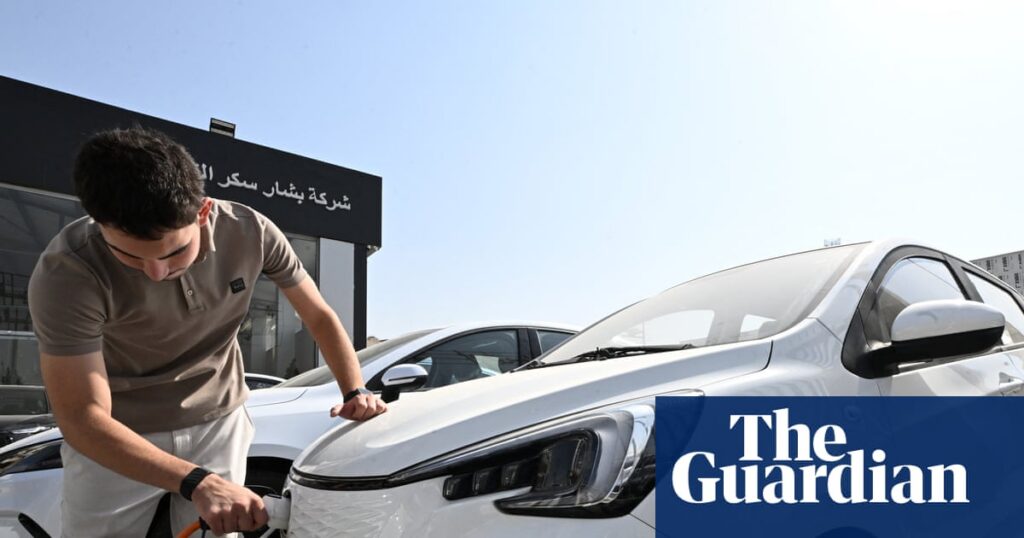
The rise of electric vehicles is also a significant factor in the energy transition. Birol noted that while only 5% of cars sold five years ago were electric, this year, electric cars are expected to account for about one-third of all sales, with electric trucks on the horizon. This shift is set to reduce oil consumption substantially.
Should the Cop31 summit endorse the electrification pledge, it could herald a future of secure, affordable, and sustainable energy. As Birol puts it, “Global energy demand is growing strongly, but global electricity demand is growing three times faster than total energy demand. And it is impossible to stop it.”
Original Story at www.theguardian.com