As electric vehicles (EVs) become more common, concerns over battery longevity and performance remain a key issue for potential buyers. However, recent comprehensive studies suggest these worries might be overstated. Battery diagnostics company Aviloo has conducted extensive research, analyzing data from over 500,000 used EVs, revealing promising results about battery durability.
Aviloo, based in Austria, has employed a unique diagnostic approach known as the “FLASH” test. This three-minute assessment collects data through an EV’s OBD port, offering a standardized measure of a battery’s State of Health (SoH) across different makes and models. This approach provides a more consistent evaluation than relying on individual car dashboards, which can vary by manufacturer.
Battery Performance Insights
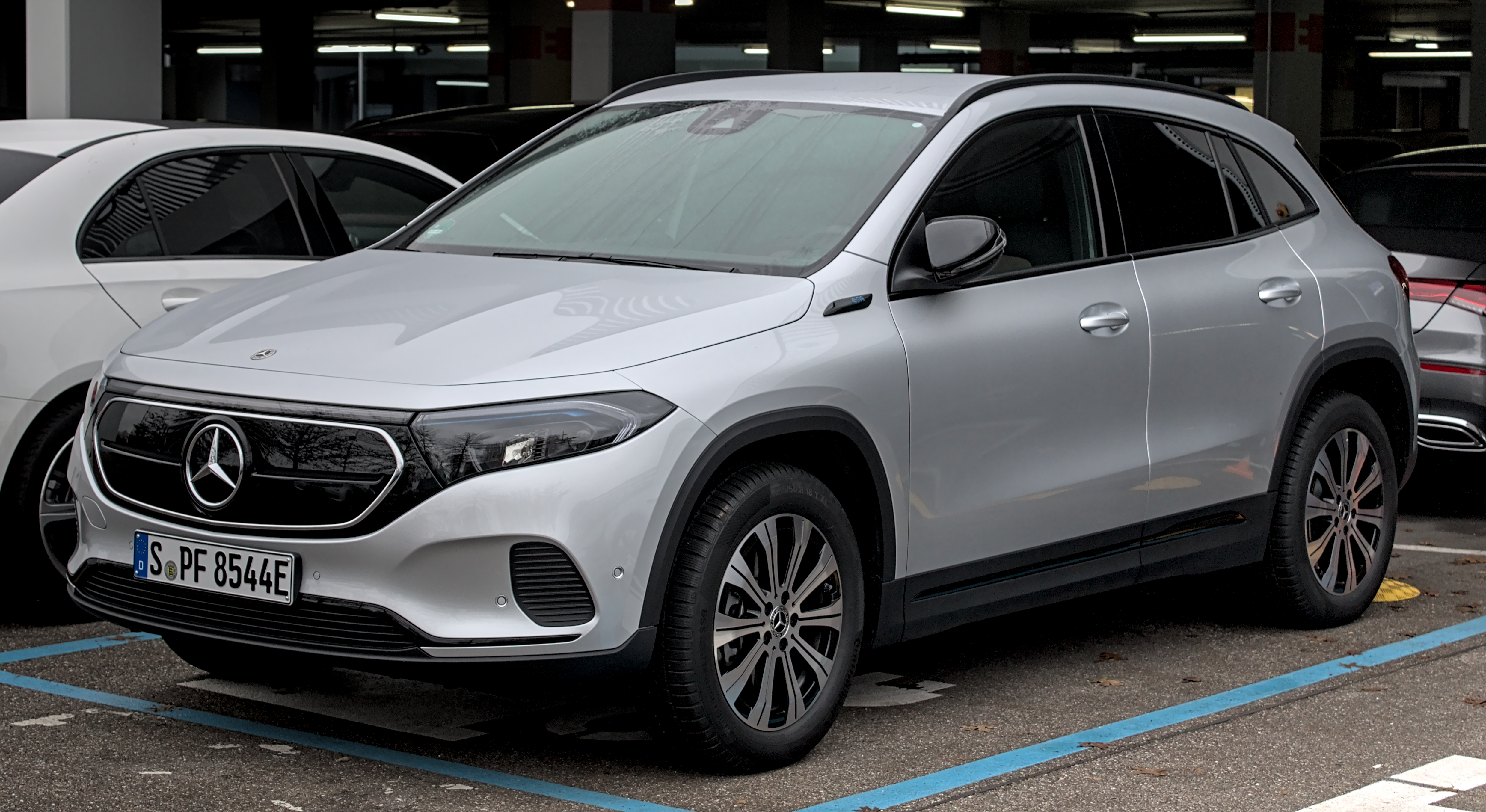
Data from Aviloo’s extensive study, which includes tests conducted between 2022 and 2026, indicates that most EV batteries retain approximately 90% of their original capacity even after covering 150,000 kilometers. The Mercedes EQA leads the pack, maintaining about 94% capacity, followed closely by other popular models such as the Hyundai Ioniq 5 and Tesla Model Y, which also show strong performance over time.
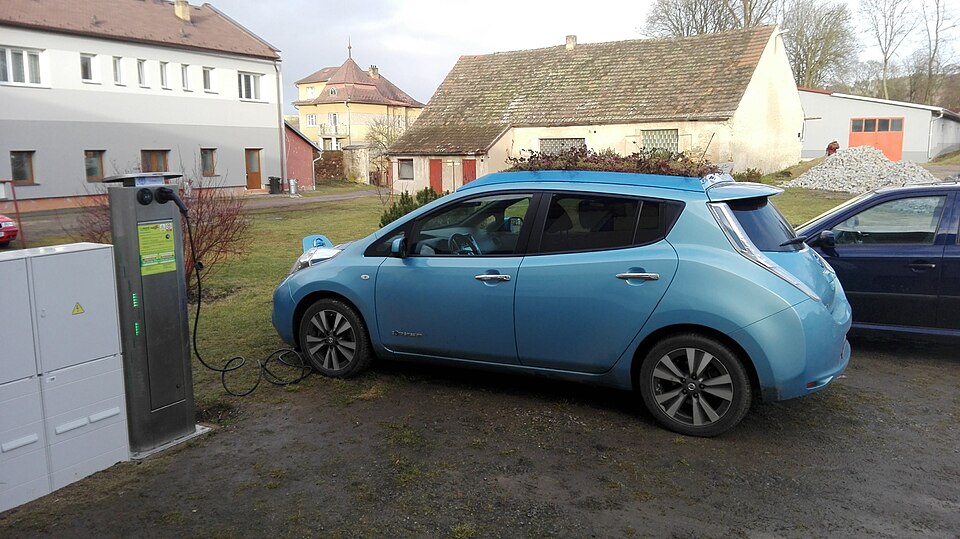
Conversely, the Nissan Leaf ZE1, with its 40 kWh battery, demonstrated more significant degradation, dropping from 91.1% to 86.3% capacity over the same distance. Despite this, the Leaf’s performance doesn’t necessitate immediate battery replacement, although it does reflect the challenges of using air cooling instead of liquid cooling systems.
Factors Influencing Battery Life
Several factors influence battery degradation, including charging habits, storage conditions, and climatic environments. For instance, vehicles frequently driven to battery exhaustion and stored fully charged in hot climates tend to experience faster capacity loss. This variability poses challenges for used EV buyers, as two vehicles with similar specs can have vastly different battery health.
Despite these variations, the overall data is reassuring. Most EVs tested stay well within the 70% capacity threshold set by many EV warranties, which typically cover up to eight years or 160,000 kilometers. This aligns with the UN’s Global Technical Regulation No. 22 on battery durability requirements, reinforcing confidence in the longevity of EV batteries.
In sum, while individual performance may vary, the evidence points to electric vehicle batteries as more durable than previously thought. Many EVs retain a significant portion of their capacity over time, easing concerns about the long-term viability of these vehicles in the second-hand market.
Original Story at hackaday.com